A team at the University of Cambridge says it has found a way to make two stubborn waste streams do useful work together.
In lab tests, researchers used acid recovered from spent car batteries to break down hard-to-recycle plastics, then used sunlight to convert those plastic fragments into hydrogen and acetic acid (a widely used industrial chemical and the main ingredient in vinegar).
It is an early-stage result, but it lands in the middle of two big real-world headaches: mixed plastic waste that is hard to process, and battery acid that is typically neutralized and thrown away.
The reactor ran for more than 260 hours (about 10.8 days) without losing performance, which is the kind of durability claim investors and engineers look for before anything moves out of the lab.
Two waste problems that rarely meet
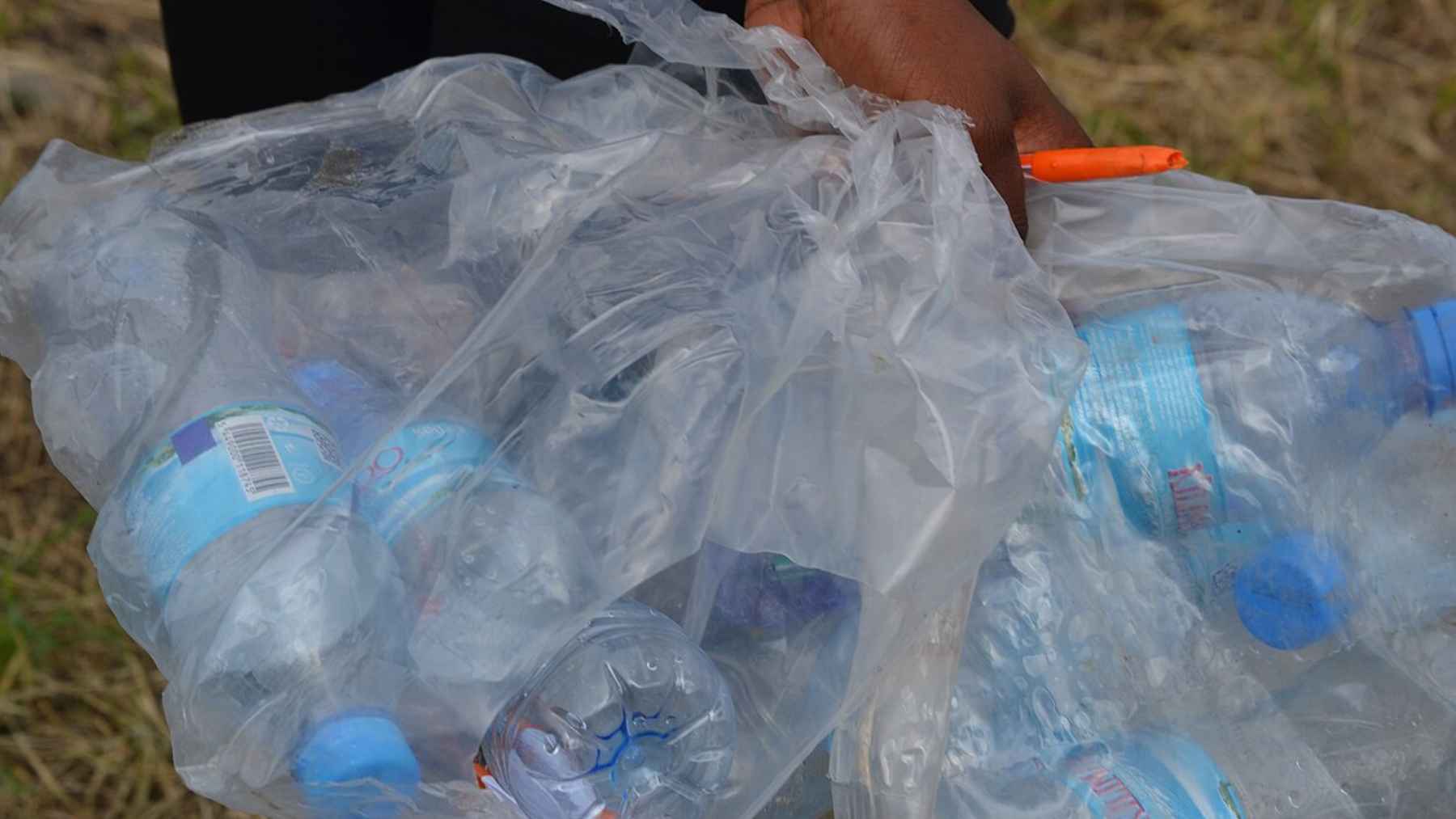
Plastic is everywhere, from soda bottles to synthetic workout shirts to the foam in that aging couch cushion. Cambridge says global plastic production is above 400 million metric tons a year (about 441 million U.S. tons), yet only 18% is recycled, with the rest burned, landfilled, or leaking into ecosystems.
Lead-acid car batteries have their own awkward leftovers. The lead is commonly recovered and resold, but the battery acid is usually neutralized and discarded, turning a routine recycling step into yet another waste stream. The Cambridge team’s twist is simple on paper: treat the acid as a reusable tool instead of a disposal problem.
The chemistry starts with an acid bath
The approach uses a two-step pathway that the researchers describe as “solar-powered acid photoreforming.” First, the recovered battery acid helps break long plastic polymer chains into smaller building blocks, including chemicals such as ethylene glycol.
Then a photocatalyst uses sunlight to push those building blocks into new products, including hydrogen and acetic acid. In practical terms, the acid is doing the messy “unzip the plastic” work up front, which can make the solar step more productive than trying to attack intact polymers directly.
A catalyst that survives what usually destroys systems
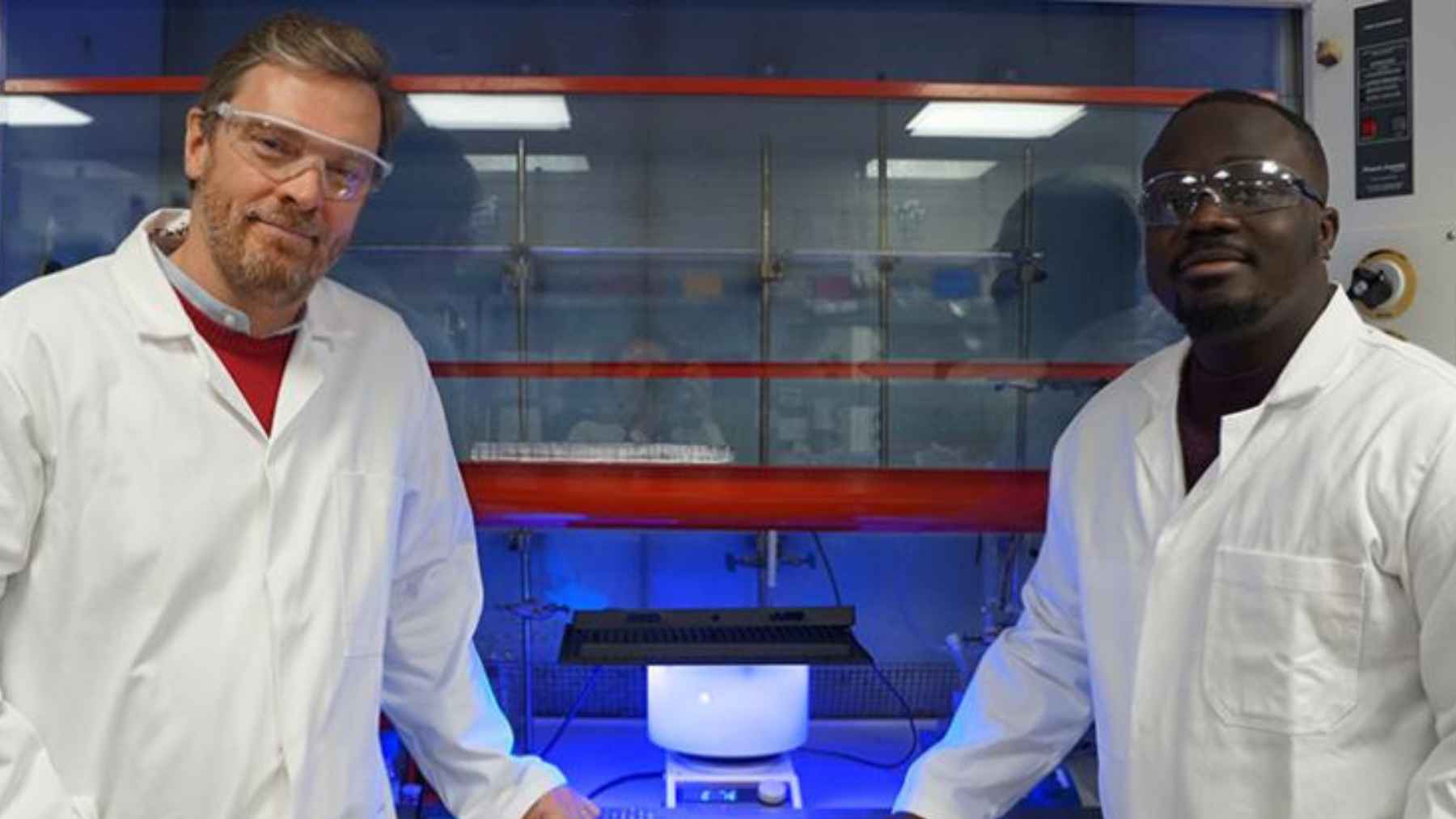
A big reason this stands out is that strong acids are notoriously unfriendly to many solar-chemistry setups. Professor Erwin Reisner, who led the research, said the result surprised the team because they assumed acid would “dissolve everything” in these systems.
Lead author Kay Kwarteng said acids have been used to break plastics apart for a long time, but the missing piece was a photocatalyst that was both “cheap and scalable” and could withstand corrosive conditions. The team says their engineered photocatalyst cleared that hurdle, which is why this work is getting attention beyond the recycling niche.
Hydrogen is the prize, and it is mostly fossil today
Hydrogen is already a major industrial feedstock, especially for refining and chemical production, and it is often discussed as a potential energy carrier for sectors that are hard to electrify. The problem is the production mix, not the molecule itself.
The International Energy Agency reports that hydrogen production reached 97 million metric tons in 2023 (about 107 million U.S. tons), and less than 1% of that was “low-emissions.” That gap is why new routes that avoid fossil inputs, or at least reduce them, keep drawing both policy and business interest.
What the reactor proved in the lab
In laboratory tests, Cambridge says the reactor generated high hydrogen yields and produced acetic acid with high selectivity, while running for more than 260 hours without any loss in performance.
That “kept going” detail matters because corrosion and deactivation are common reasons promising chemistry never becomes equipment that can run all day.
The team also says the method worked across multiple plastics, including PET, nylon, and polyurethane. Those materials show up in exactly the kinds of mixed waste streams that frustrate traditional recycling, where contamination and blending can turn “recyclable” into “not worth it” fast.
The hard part is not the headline – it is the hardware
Even if the chemistry holds up, scaling it is a different sport. Kwarteng framed the next question as engineering, meaning reactors that can withstand corrosive conditions, run continuously, and handle real-world waste instead of clean lab samples.
Supply logistics also matter more than most people realize. Cambridge notes that these batteries contain roughly 20% to 40% acid by volume, and they are replaced in huge numbers worldwide, but the acid would need to be captured before neutralization to keep the loop “circular.”
The researchers also argue the approach could offer a potential order-of-magnitude cost reduction versus other photoreforming methods, largely because the acid can be reused and helps boost hydrogen production rates, though that claim will ultimately live or die on pilot-scale economics.
What to watch next for business and climate impact
The team says it plans to move toward commercialization with support from Cambridge Enterprise and funding tied to UKRI impact acceleration. For readers tracking climate tech, the near-term tell will be whether a pilot system can run longer, process dirtier feedstocks, and still produce hydrogen and acetic acid efficiently enough to compete with incumbent options.
Just as important is how this fits into the broader recycling landscape. Reisner emphasized they are not claiming to “fix the global plastics problem,” but rather to show how waste can become a resource when sunlight and smart chemistry do the heavy lifting. Short version: promising, practical, and still not proven at industrial scale.
The press release was published by the Yusuf Hamied Department of Chemistry.