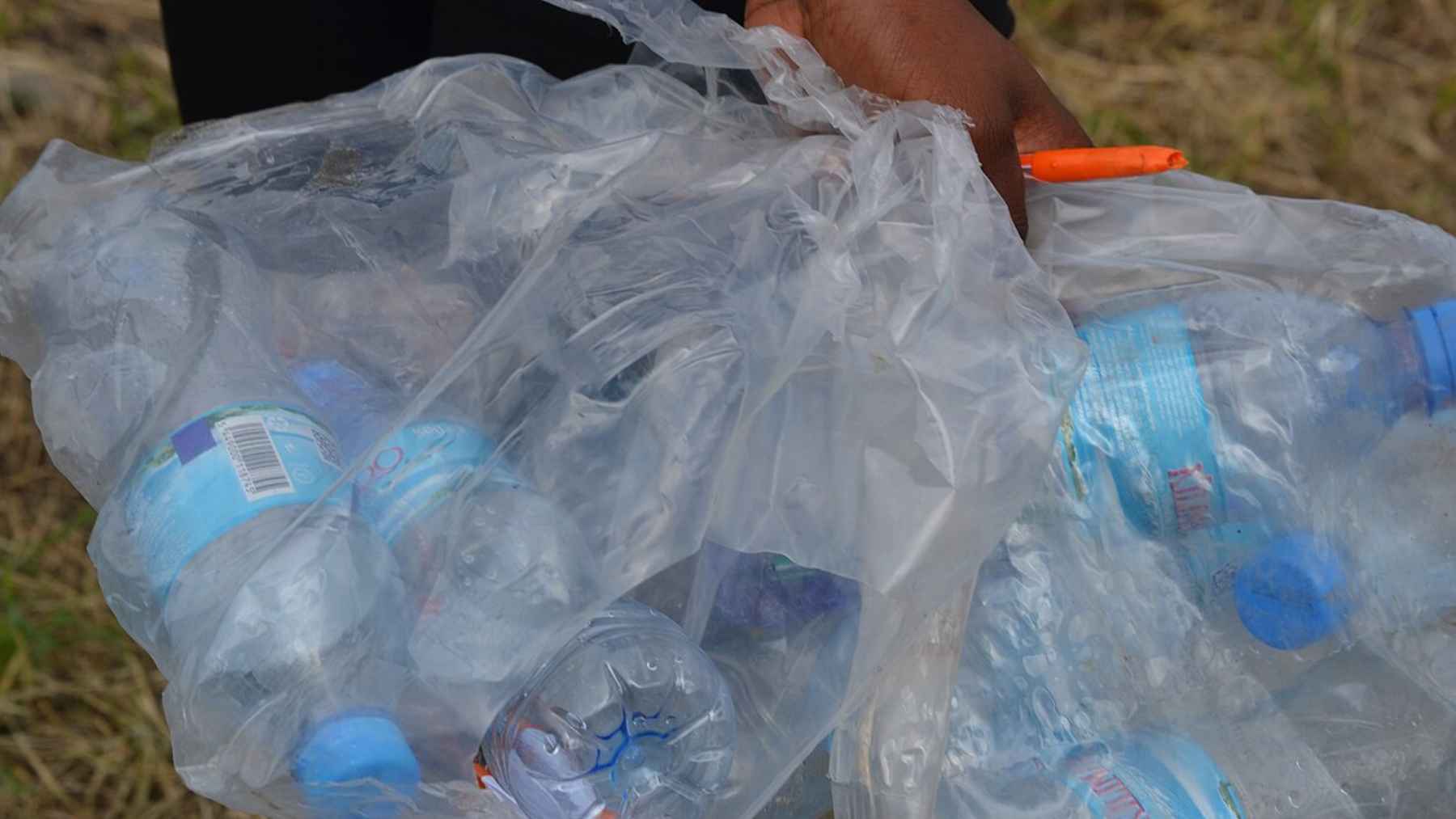
That rinsed yogurt cup in the blue bin can feel like a tiny act of control in a messy world. But a new report from the Center for Climate Integrity argues the system most of us were taught to trust was designed to protect plastic sales, not to cut plastic waste.
The report’s bottom line is blunt. Most plastics are not meaningfully recyclable at scale, and the small slice that is recyclable cannot keep up with rising production. So why does it still feel like recycling is the main plan?
A report that shifts the spotlight
“The Fraud of Plastic Recycling” claims major oil, gas, and petrochemical firms, along with trade associations and aligned groups, promoted recycling as a public-relations solution while knowing the technical and economic limits.
It argues those campaigns helped protect and expand plastic markets while communities were left to manage the growing waste stream.
The report goes further by framing the alleged messaging campaign as a legal and accountability issue, comparing it to past corporate deception battles around tobacco and opioids. That is a big charge, and it is one reason the document is already being cited in policy debates and media coverage.
It also lands at a moment when microplastics are no longer an abstract beach problem. The report cites an estimate that people may ingest roughly a credit card’s worth of plastic each week, and separate studies have reported plastic particles in human blood and lung tissue. Scientists are still working out what this means for long-term health.
Why “recyclable” often means “not really”
Zoom out and the scale problem becomes hard to ignore. OECD estimates show global plastic use roughly doubled from about 258 million tons in 2000 to about 507 million tons in 2019, while plastic waste rose from about 172 million tons to about 389 million tons over the same period. Globally, only about 9% of plastic waste is recycled, by the OECD’s accounting.
Now zoom back in to what actually gets remade. The Center for Climate Integrity says viable end markets largely exist for two common bottle plastics, PET and HDPE, and it estimates the U.S. plastic recycling rate was only about 5% to 6% as of 2021.
That helps explain a confusing everyday reality. A clear soda bottle and a clear takeout clamshell might look similar in your hand, but they can be made from different formulations and additives that are difficult to sort and process together. If they look the same, why do they behave so differently once they hit a recycling facility?
The business logic behind the blue bin
One of the report’s most pointed arguments is historical. It says the plastics industry faced rising public anger and potential restrictions in the 1980s and 1990s, and pushed recycling as a way to defuse regulation while keeping disposable packaging markets growing.
That incentive still matters because petrochemicals are expected to drive a large share of future oil demand growth, according to the International Energy Agency.
In practical terms, that meant putting the burden on households and cities. Resin identification codes and familiar recycling symbols helped create the impression that most plastics had a viable second life, even as the report argues the underlying economics were weak.
Industry groups reject that framing. The American Chemistry Council’s plastics division called the Center for Climate Integrity report “flawed,” saying it relies on outdated technology examples and overlooks current investments, including a stated goal for all U.S. plastic packaging to be reused, recycled, or recovered by 2040.
Mexico shows what happens when the math overwhelms the system
Mexico offers a useful reality check because it combines high consumption with uneven waste infrastructure. Mexico’s environment ministry estimated per capita plastic consumption at about 146 pounds a year and plastic waste at about 130 pounds a year, based on its national inventory work.
Those per-person numbers add up fast. The same inventory estimates total plastic waste at roughly 8.2 million tons a year, with about 3.2 million tons mismanaged and about 545,000 tons leaking into the environment.
If you have ever wondered why a city can feel clean while a riverbank nearby is littered, this is part of the answer. For the most part, it is a systems problem, not a sorting problem, because collection, processing capacity, and end markets all have to line up at the same time.
What to watch next for policy and for business
The debate is shifting from “please recycle” to “who pays and who designs. ”OECD projections suggest plastic waste could nearly triple by 2060 under current policies, which is why more governments are talking about reuse targets, packaging redesign, and producer responsibility rather than just better bins.
For companies, this is no longer just an ESG talking point. The Center for Climate Integrity argues that “advanced” or chemical recycling is often marketed as a breakthrough even when many processes turn plastic into fuels or other outputs that do not function like true plastic-to-plastic recycling.
The bin can only do so much. For households, the practical takeaway is to recycle the materials that local programs can actually reprocess, and to be skeptical of broad “recyclable” claims on packaging.
The report was published on climateintegrity.org.