If your TV quietly took a snapshot of what you watch every half-second, would you want a say in it? Texas Attorney General Ken Paxton says you should, and his office has now reached a major agreement with Samsung that aims to make that choice explicit.
The deal matters because smart TVs sit in the most private room in the house, and they sit there for years. It also lands in the middle of a wider Texas legal push against major TV brands, which the state claims have used Automated Content Recognition (ACR) to collect and monetize viewing data without meaningful notice.
The deal
Texas says Samsung will no longer collect ACR viewing data unless Texans are “fully informed” and give express consent before any information is gathered. The agreement also requires Samsung to move quickly on software updates and add disclosures and consent screens that are clear and conspicuous.
In practical terms, Texas is not banning smart TV features outright. It is trying to change the default from quiet collection to an opt-in decision the user can actually understand.
Paxton praised Samsung for making the changes, while warning that other manufacturers “will be held accountable” as litigation continues. Texas says its cases against Sony, LG, Hisense, and TCL remain active.
ACR in plain English
ACR is software that can recognize what is playing on your TV by capturing and matching what it “sees” on the screen. In its lawsuit announcement, Texas described it as capable of taking screenshots of the display every 500 milliseconds, which is once every 0.5 seconds, then sending the information back to the company.
Texas also alleges the tracking can extend beyond built-in apps into whatever is piped into the TV. In the state’s Samsung petition, Texas claims ACR can capture what appears from HDMI-connected devices and streams like doorbell camera feeds, casting, game consoles, and even a laptop used with the TV as a monitor.
Why does that matter to the companies involved? Texas says the viewing information can be sold to help target ads “across platforms,” turning the TV into part of the digital advertising supply chain instead of a stand-alone screen.
Why Texas stepped in
Texas is suing under the Texas Deceptive Trade Practices Act, arguing that the way consent is presented to consumers is misleading and not meaningfully informed. The state’s public statements repeatedly frame the issue as deception rather than a mere settings dispute.
The privacy concern is not just “they know you watched a show.” Texas argues this kind of collection can put sensitive information at risk, explicitly naming passwords and bank information as examples of what could be exposed.
That might sound abstract until you picture everyday use. People cast personal photos, mirror laptops, pull up camera feeds, and sometimes log into accounts on the big screen because it is convenient, especially when the family is already on the couch.
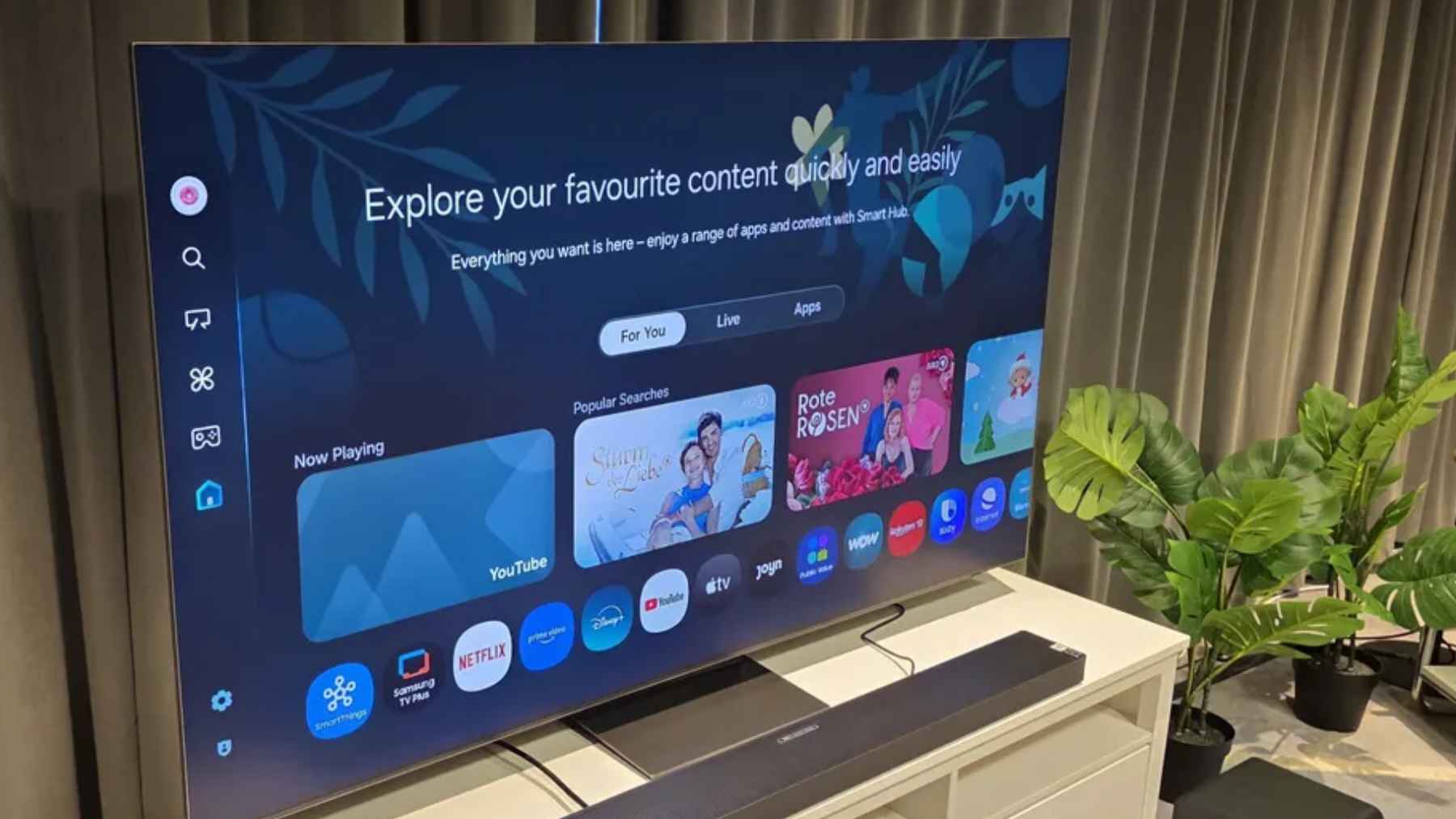
A Samsung smart TV interface highlights the kind of viewing data that may be collected, now subject to clearer user consent rules.
National security angle
Texas has also attached a national security argument to the same set of practices, especially for manufacturers based in China. In its press release announcing the five-company lawsuit, the attorney general’s office pointed to China’s National Security Law as a reason consumer data harvesting poses “serious concerns,” given the state’s view that it could enable government access to U.S. consumer data.
The office moved quickly in at least one case. Two days after filing suit, Paxton announced a temporary restraining order against Hisense that Texas said would stop the company from collecting ACR data in Texas and from using, selling, sharing, disclosing, or transferring that data while the case proceeds.
It is worth keeping the language precise here. These are legal claims and enforcement actions inside one state, not a public finding that every device is compromised, but they show how fast consumer privacy disputes can slide into geopolitical territory.
The ad money behind it
This fight is unfolding while streaming takes a larger share of America’s TV time, and advertisers chase better targeting. Nielsen reported that streaming accounted for 43.8% of total TV usage in the U.S. as of March 2025, a shift that makes viewing data more valuable to marketers and measurement firms.
The hardware footprint is already huge, too. A Hub Entertainment Research survey summarized by MarketingCharts put smart TV ownership at 82% of U.S. TV households in 2025, meaning the potential scale of device-level tracking is no longer niche.
And there is precedent for regulators treating this as more than an annoyance. In 2017, the Federal Trade Commission said Vizio agreed to pay $2.2 million to settle charges that it collected viewing data on 11 million smart TVs without users’ knowledge or consent, a reminder that enforcement around TV tracking has been building for years.
What to watch next
For consumers, the short-term change to look for is the consent screen itself. Texas’s consumer alert also offers a practical reminder that many TVs already include toggles that can turn off viewing data collection and personalized ads, usually buried in Settings under privacy or terms choices.
If you are buying a new TV, it is worth treating setup like you treat a new phone. Take a minute to read the prompts, look for options tied to “viewing information” or “smart TV experience,” and switch off personalized ad features you do not want running in the background.
For the industry, the bigger question is whether “express consent” in one massive state becomes the de facto standard elsewhere. Texas is still pursuing other manufacturers, and if more states follow with similar actions, the connected TV ad business may have to rely less on silent device tracking and more on clear permission and simpler data practices.
The press release was published on the Texas Attorney General.