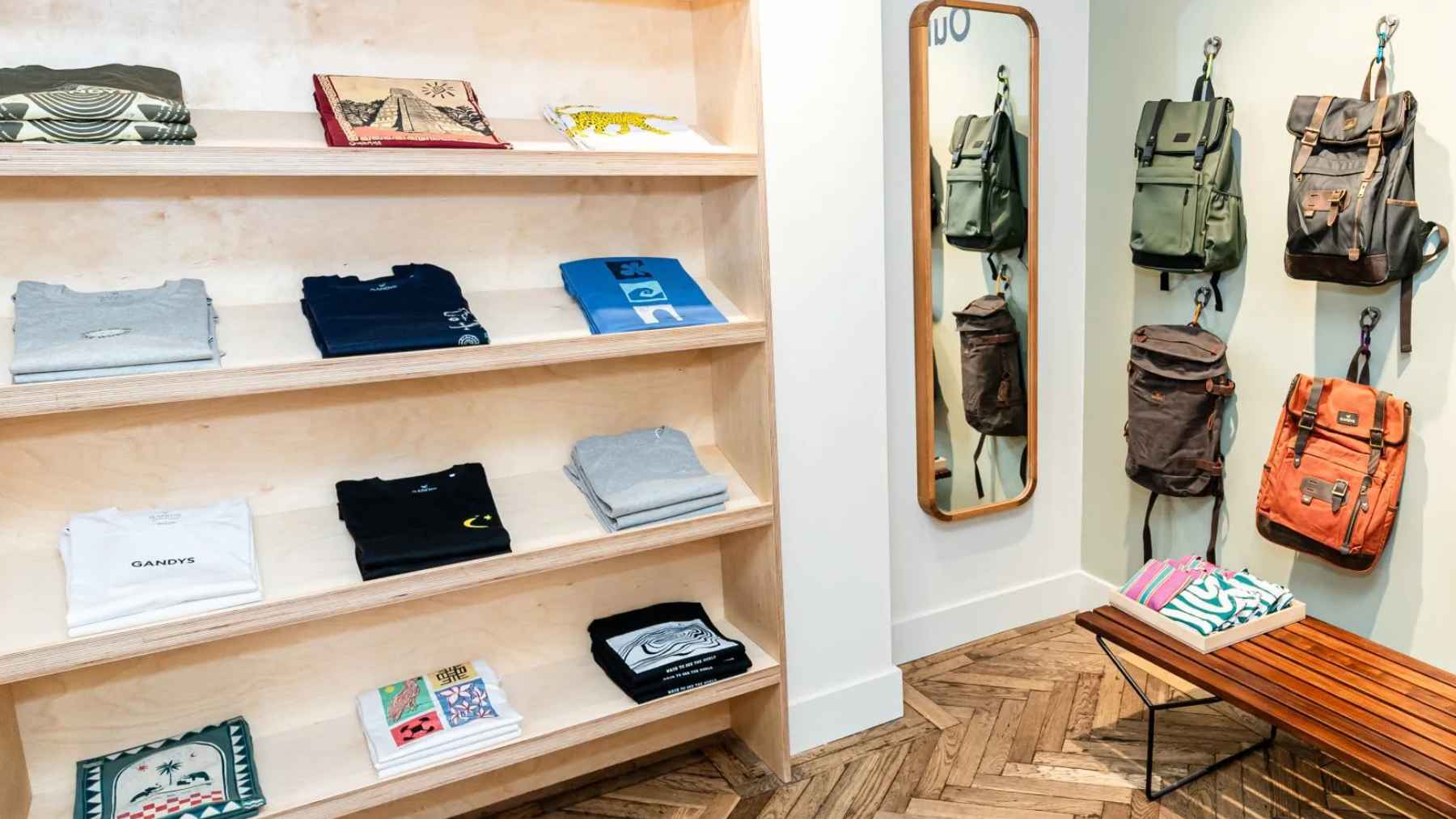
London travel-inspired lifestyle brand Gandys International Limited has entered administration after what filings describe as a sudden withdrawal of funding, and the company is now pushing a final clearance sale with discounts of up to 75% both online and at its Covent Garden flagship.
It is a small case in absolute size, but it is a sharp snapshot of the pressure squeezing consumer brands across the U.K. and beyond. When funding dries up, even a purpose-led label with a loyal following can run out of runway faster than most shoppers would expect.
What happened
The formal step is straightforward. Gandys has an active administration process, with administrators appointed and the case now moving through the usual legal and creditor timetable.
For customers, the immediate sign is not a court document, it is the storefront experience. A deep closing down sale is often the loudest signal that a business is trying to turn inventory into cash quickly, whether that is to stabilize operations or to wind down in an orderly way.
The funding shock and the clearance sale
Reporting tied to the filing points to a sudden pullback in funding as the trigger, which is the kind of event that can hit retailers especially hard. Apparel brands tend to carry inventory risk, seasonality risk, and marketing costs that do not pause just because capital does.
In practical terms, that means shoppers may see steep markdowns, but they should also think about the basics that matter in any distressed retail situation.
Delivery timelines, returns, and customer support can change quickly once a company is in formal insolvency proceedings, much like the disruption patterns seen in other bankruptcy cases when normal operations become the exception rather than the rule.
A purpose-led brand with a sustainability badge
Gandys was founded in 2012 by brothers Rob and Paul Forkan and later expanded beyond flip-flops into travel-inspired bags, clothing, and accessories, with a charity component tied to its broader brand story. The company also built a reputation through collaborations and celebrity visibility, which helped it stand out in a crowded market.
Another key part of its identity was its sustainability positioning. Gandys is listed as a Certified B Corporation with a published impact score, and that label matters because it signals verified standards around governance, workers, community impact, and environmental practices.
That is the uncomfortable lesson here. A mission and a certification can help build trust, but they do not automatically protect a retailer from rising costs, weaker demand, or a funding shock that arrives at the worst possible time.
The retail reality behind the headlines
UK retail is still operating in a climate where consumers are cautious, and borrowing costs remain meaningful. The Bank of England’s Bank Rate sits at 3.75%, and that feeds into everything from credit card interest to business lending, which can quietly reshape how much room a brand has to absorb a bad month.
The macro numbers also show why “one brand in trouble” is rarely just about that brand. The Insolvency Service reported 1,878 registered company insolvencies in England and Wales in February 2026, and that broader churn is the backdrop for retail “surprises” that do not feel surprising to suppliers watching payments and orders.
Even when shoppers keep spending, the mix can turn against apparel. Surveys cited by Reuters show U.K. retail sales growth in March was helped by seasonal spending, but clothing and footwear were among the laggards, which is the kind of pattern that pushes brands into more discounting and makes margins thinner.
What shoppers and suppliers should watch next
For customers, the practical advice is simple. Pay attention to dispatch times, refund policies, and how gift cards or store credit are handled during administration, because those details can shift faster than the marketing banners on the website.
For suppliers and partners, the main question is whether there is a credible path to rescue or whether the process moves toward an orderly wind-down. Retail is full of familiar warning signs right now, from store closures in grocery to cost pressure driven by wage debates, like this high-profile wage fight playing out in the United States.
And for everyone watching retail in 2026, the bigger point is that consumer habits are getting pickier.
Between price sensitivity, higher everyday bills, and even “sticker shock” purchases like cars that drain discretionary budgets, the margin for error is smaller than it looks, which is also why stories about new car prices and fast-food chains closing locations keep landing with the same underlying message.
The official notice was published on The Gazette.