The U.S. Navy’s submarine problem is no longer just about missiles and ship counts. It is also becoming a story about industrial strain, nuclear stewardship, and the environmental cost of keeping aging vessels in service longer than planned.
With four Ohio-class guided missile submarines heading toward retirement and Columbia-class replacements running late, the Navy is trying to avoid a serious firepower gap while managing the long tail of nuclear-powered ships from construction to disposal.
That gap is huge. The Navy says each Ohio-class SSGN can carry up to 154 Tomahawk cruise missiles, and a Ticonderoga-class cruiser carries 122 vertical launch cells.
Put those numbers together and the retirement of four SSGNs and a shrinking cruiser force points to a loss of more than 2,000 launch cells. In practical terms, that means fewer missiles at sea at a moment when Washington is trying to strengthen deterrence in the Indo-Pacific.
Big numbers, real consequences. You can see that pressure in Indux’s recent report on the firepower gap.
Why the replacement plan is not moving fast enough
The trouble is, the backup plan is not arriving on time. The Government Accountability Office said in September 2024 that Columbia-class construction still faced persistent design and production problems and warned that delays and cost growth were likely to continue. A related GAO update notes that the Navy estimated a 12 to 16 month delay for the lead boat.
That is a serious scheduling problem for a fleet built around tight retirement and replacement timelines.
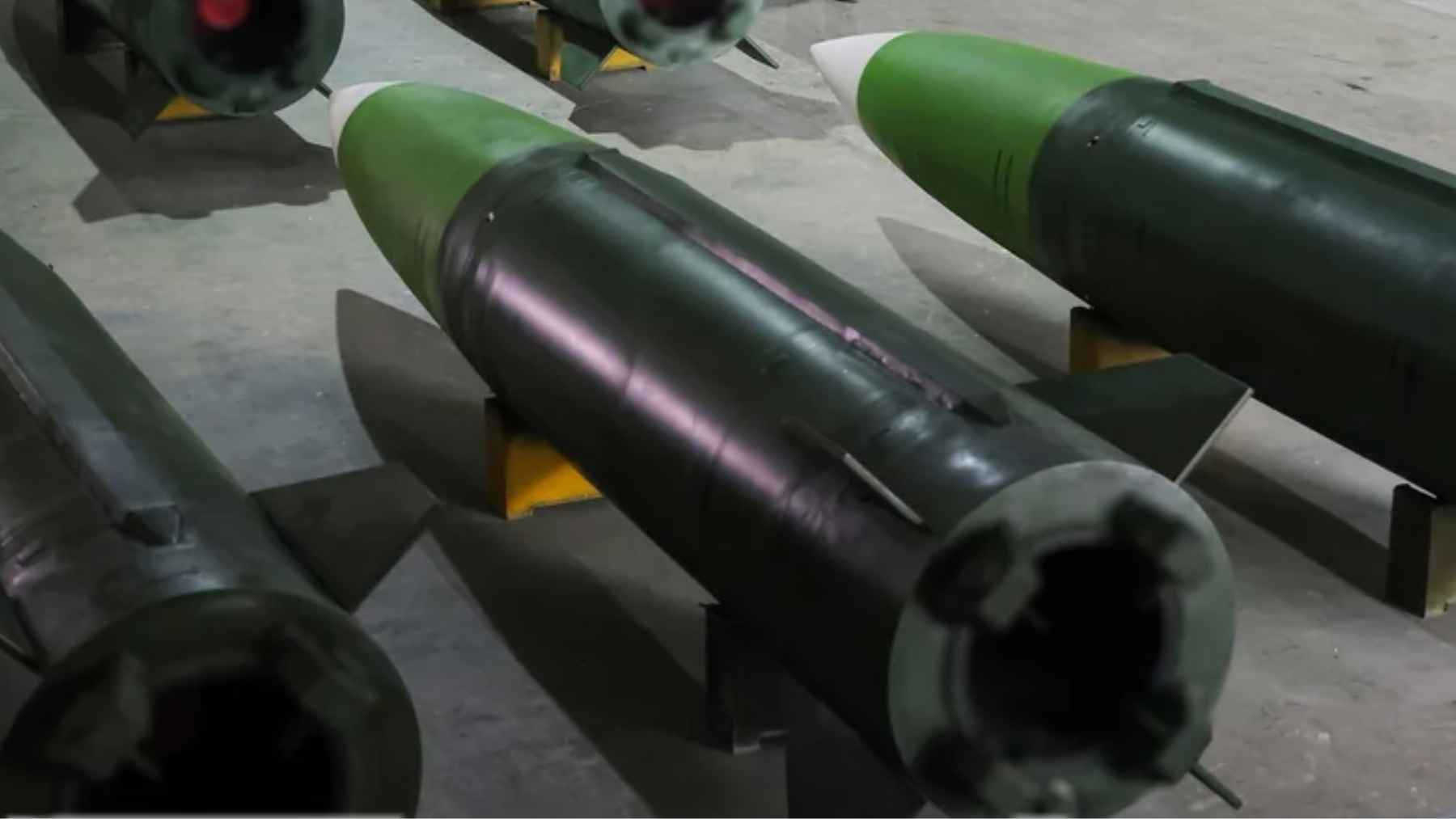
The Virginia-class Block V submarine is supposed to help. The Navy says its Virginia Payload Module adds four large payload tubes, enough for 28 additional Tomahawks per boat. But that does not fully replace what the Ohio SSGNs bring, and it does not solve the production bottleneck at U.S. shipyards.
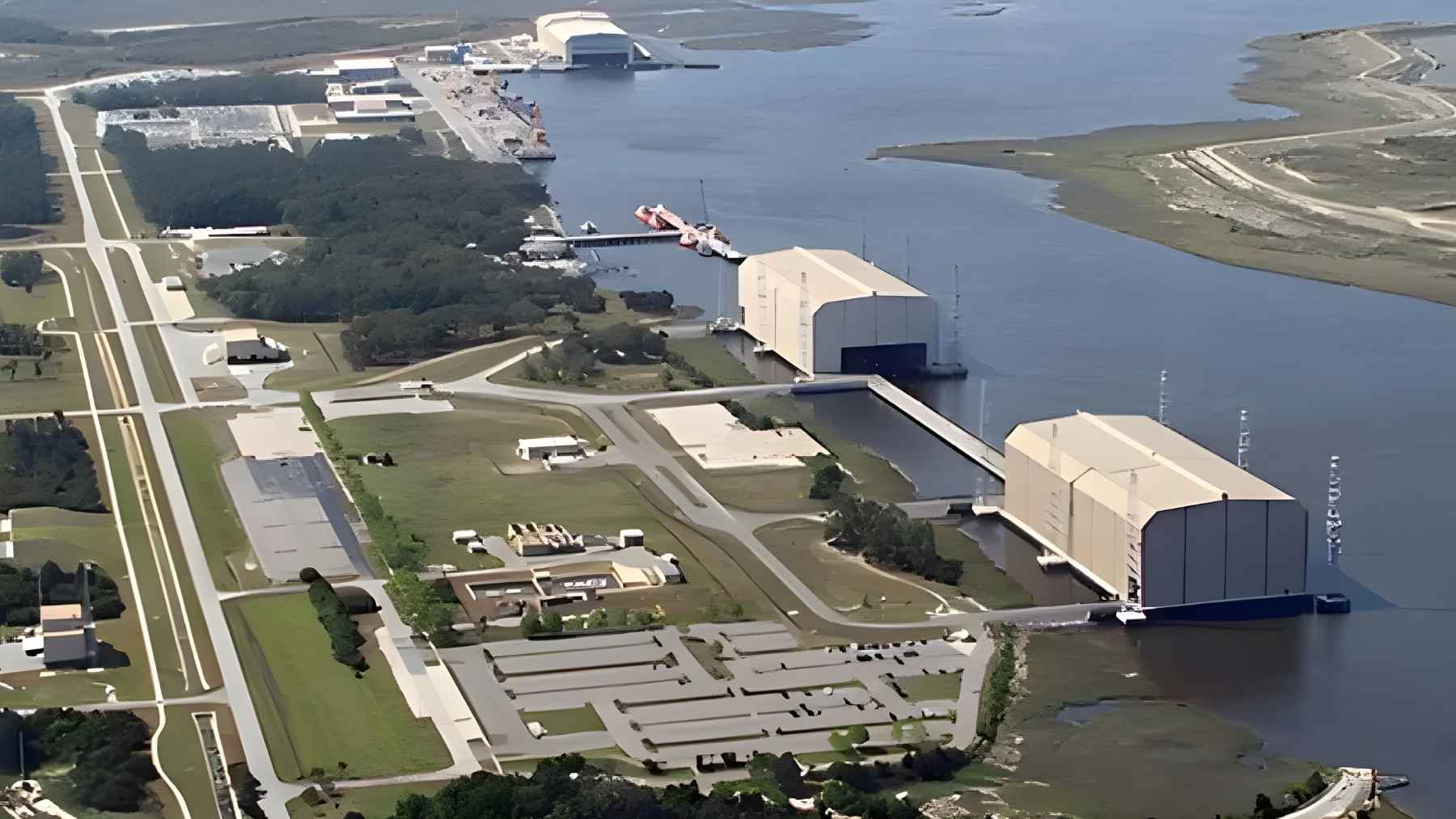
By the Navy’s own Shipyard Infrastructure Optimization Program, dry docks, cranes, berths, and utilities still need major upgrades to handle the next generation of submarines. And that is where the business side meets everyday life. Industrial delays do not just hit defense planning.
They raise costs, stretch public budgets, and keep old infrastructure running longer. It is a pattern that also shows up in wider debates over AI and industrial disruption and the pressure to modernize strategic systems.
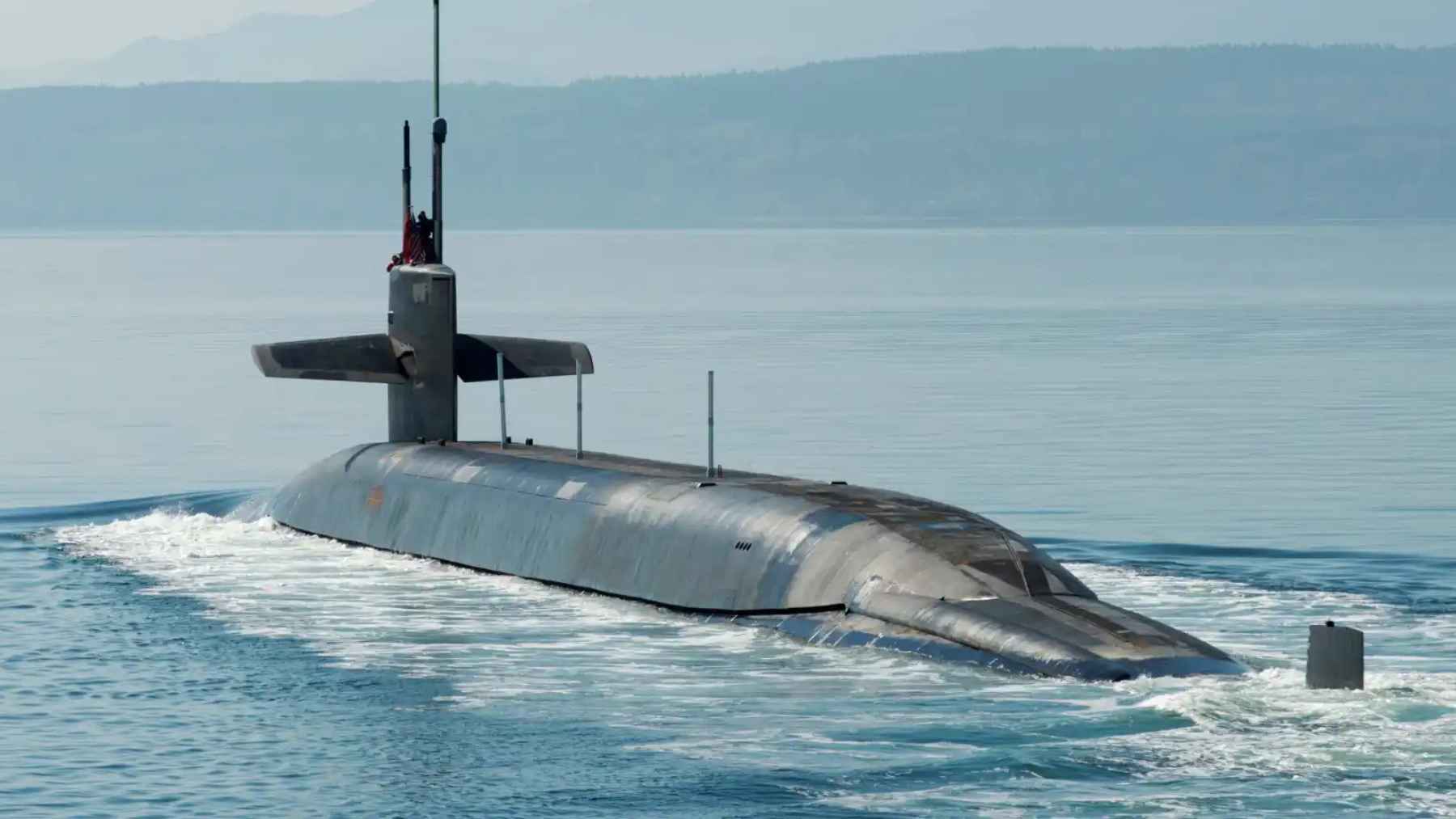
An Ohio class nuclear powered submarine highlights the Navy’s growing challenge of replacing aging vessels while managing environmental and industrial pressures.
The hidden ecology issue behind the fleet debate
There is another layer here. When a nuclear-powered submarine retires, the work does not end at the pier. The Navy and Department of Energy have long relied on an environmental review and disposal system for defueled reactor compartments, while Puget Sound Naval Shipyard continues recycling work tied to retired nuclear vessels.
So the decision to extend an Ohio-class boat or retire it early is also, to a large extent, a decision about when that environmental and industrial burden shifts ashore.
That broader tradeoff connects with other Indux coverage on high-impact energy infrastructure, radioactive cleanup risks, and even new technologies such as the hydrogen battery that aim to lower long-term energy strain.
At the end of the day, what this debate really shows is that military readiness, industrial capacity, and environmental management are all tied together.
The official report was published on GAO.