Elon Musk said in February 2026 that his biggest quiet challenge at SpaceX is not engines, steel, or launch math.
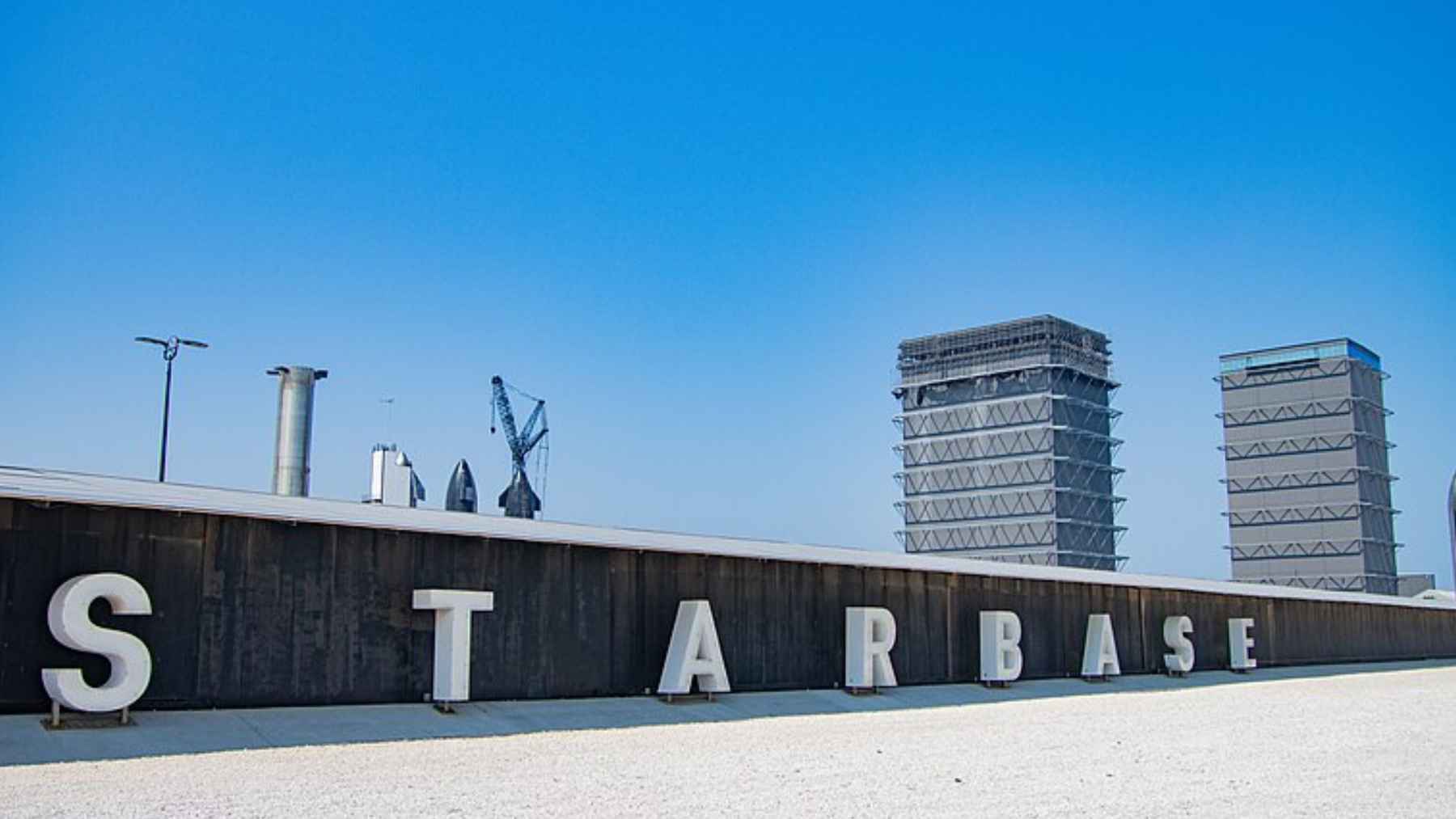
It is convincing married engineers to relocate to Starbase, a remote campus near Brownsville, Texas, where “the significant other problem” can quickly become a dealbreaker for families. That remark, made during a long-form interview, landed like a casual aside, but it speaks to something bigger.
Because Starbase is not just a workplace. It sits beside sensitive coastal habitat in the Lower Rio Grande Valley, where wetlands, thornscrub, and nesting beaches turn the area into a living biodiversity laboratory. As the launch site grows, SpaceX’s talent strategy and its environmental footprint are starting to collide in ways that are hard to ignore.
Why Starbase feels like a “technology monastery”
Starbase can feel like a purpose-built bubble, and that is part of the attraction for some engineers. But for many families, daily life matters more than rocket timelines, and long drives, limited services, and thin job options nearby can weigh heavily.
In practical terms, that means relocation is not just a salary decision. It is about schools, commutes, and whether a spouse can build a career too, the kind of everyday friction that makes even the most exciting job feel complicated. If you have ever taken a job and then realized the “easy” part was actually the offer letter, you get the idea.
A launch site next to a living biodiversity lab
On a map, the area around Starbase can look like empty coastal space waiting for big hardware. In reality, it borders protected lands and wildlife corridors in the Lower Rio Grande Valley, including the Las Palomas Wildlife Management Area, a mosaic of wetlands and Tamaulipan thornscrub that supports migratory birds and other species.
Environmental advocates argue the stakes are high because the surrounding habitat is used by threatened and endangered wildlife.
Lawsuits and conservation campaigns frequently cite animals like jaguarundis (listed by the U.S. Fish and Wildlife Service as the jaguarundi) and sea turtles including the endangered Kemp’s ridley turtle, along with vulnerable shorebirds that depend on quiet coastal space.
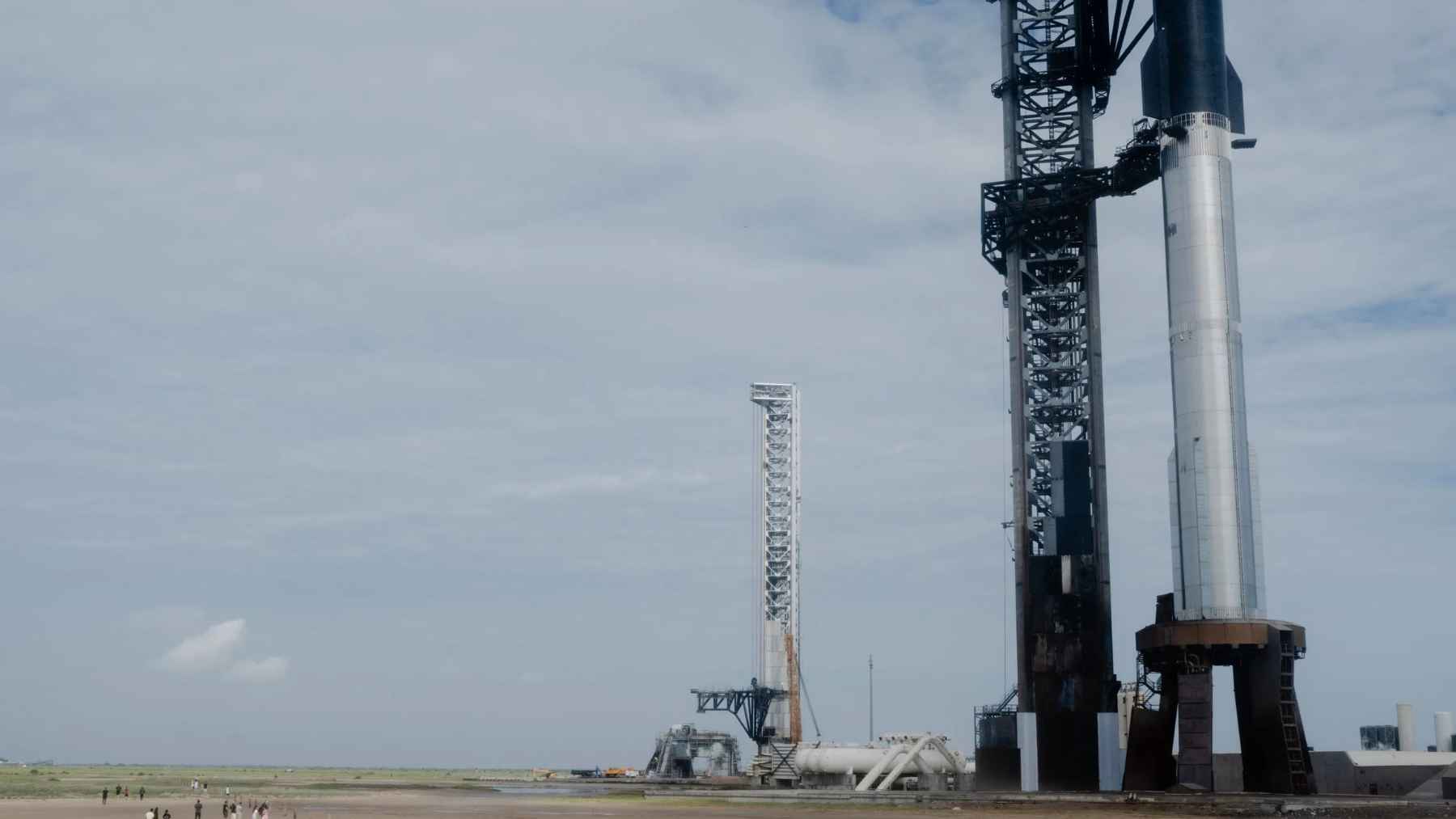
Incidents that keep drawing attention
The tension is not only theoretical. Reports about Starbase have documented repeated anomalies, and the discussion intensified after the first integrated Starship test in April 2023, when federal wildlife officials described debris spread and a fire on nearby state park land, as covered by local reporting that cited the U.S. Fish and Wildlife Service.
The details of that assessment were reported in outlets including Click2Houston.
That history matters because it shapes what regulators, local communities, and potential recruits see when they look at Starbase. A launch site can be thrilling and disruptive at the same time, and people living nearby do not experience “rapid iteration” the way engineers do.
The FAA’s mitigation approach and what it allows
Regulators have largely taken the view that Starbase operations can proceed if mitigation and monitoring requirements are followed. Federal environmental reviews have been structured to allow more activity while imposing conditions around issues like access restrictions, wildlife disturbance, and operational controls.
In September 2025, a federal judge dismissed a legal challenge arguing that the federal government had not properly assessed environmental impacts tied to SpaceX launches in South Texas. The decision was widely covered in Texas reporting, including by The Texas Tribune, reinforcing that, at least for now, the FAA’s review framework is standing up in court.
Spaceports, families, and the “price” of speed
SpaceX’s push for Starship is not happening in a vacuum. NASA selected SpaceX to develop a lunar lander for Artemis, a partnership that ties Starship’s schedule to the agency’s moon plans, as laid out in NASA’s own press release.
The agency’s watchdog has also warned that delays and complexity in human landing systems can ripple through schedules, including in reports from the NASA Office of Inspector General.
At the same time, the Pentagon keeps exploring what reusable heavy lift could mean for logistics, including concepts tied to “rocket cargo,” reflected in formal agreements like U.S. Transportation Command’s SpaceX Rocket Cargo CRADA press release. Put those together and you see why cadence matters, but also why the pressure to scale can intensify local impacts.
The official statement was published on the Federal Aviation Administration.