On April 14, Microsoft introduced MAI-Image-2-Efficient, a lighter sibling to its MAI-Image-2 text-to-image model that is designed for speed and scale. It is priced at $19.50 per 1 million image output tokens, and Microsoft says it is nearly 41% cheaper, about 22% faster, and four times more efficient than MAI-Image-2.
The bigger story is what that product choice signals. Microsoft is splitting image generation into two lanes: one model for high-volume production and another for high-fidelity creative work. That is how image generation starts to look less like a demo and more like infrastructure.
Why the price cut matters to real businesses
Most companies are not chasing a single perfect image. They are chasing throughput, the steady stream of thumbnails, mockups, and social variations that have to be ready before the next campaign goes live. In that world, a 41% lower output rate can be the difference between “nice to have” and “always on.”
Microsoft also keeps the text input price at $5 per 1 million tokens, matching MAI-Image-2, and positions the new model as a way to keep cost control tight in batch pipelines. The exact cost per image will still depend on how many output tokens a generation consumes, but the direction is obvious.
Two models and the rise of “good enough” routing
Microsoft calls MAI-Image-2-Efficient the “production workhorse,” aiming it at product shots, marketing creatives, UI mockups, and branded assets, especially when short text like headlines has to render cleanly. MAI-Image-2 remains the “precision tool” for portraits, complex scenes, and longer in-image text where small defects are harder to forgive.
This is a quiet but important nudge toward routing. Why spend premium compute on a placeholder graphic that will be replaced tomorrow, or a product thumbnail that will be A/B tested into oblivion? For most pipelines, “good enough” is not a compromise – it is the job.
Speed claims come with fine print
Microsoft says MAI-Image-2-Efficient is “40% faster on average than other leading text-to-image models,” based on tests that compared latency against multiple Google Gemini image variants and OpenAI’s GPT-Image-1.5 High Fidelity.
The company adds that the results vary with batch size and concurrency, which is a reminder that real-world performance depends on how you run the pipeline, not just what model you pick.
The efficiency argument may matter even more than raw speed. In the model card, Microsoft describes MAI-Image-2-Efficient as diffusion-based and highlights production workflows like product images and UI mockups while reiterating the 22% faster and four times more efficient claim.
If your cloud bill is climbing the way your electric bill does in sticky summer heat, squeezing more images out of the same GPUs starts to feel like strategy, not tuning.
Microsoft’s in-house model stack is accelerating
This launch is also another step in Microsoft’s push to build more of its own AI stack. The company announced MAI-Image-1 in October 2025 as its first image generator developed entirely in-house, and it said the model debuted in the top 10 on LMArena.
MAI-Image-2 followed on March 19, 2026, with Microsoft saying it reached the number three “model family” spot on the Arena.ai leaderboard and put Microsoft among the top three text-to-image labs. Arena.ai’s lab ranking page lists Microsoft AI as the third lab, behind Google and OpenAI.
Then on April 2, 2026, Microsoft AI CEO Mustafa Suleyman announced MAI-Transcribe-1 and MAI-Voice-1 alongside MAI-Image-2 inside Microsoft Foundry, putting a price tag on the stack. MAI-Transcribe-1 starts at $0.36 per hour, MAI-Voice-1 starts at $22 per 1 million characters, and MAI-Image-2 is priced at $33 per 1 million image output tokens.

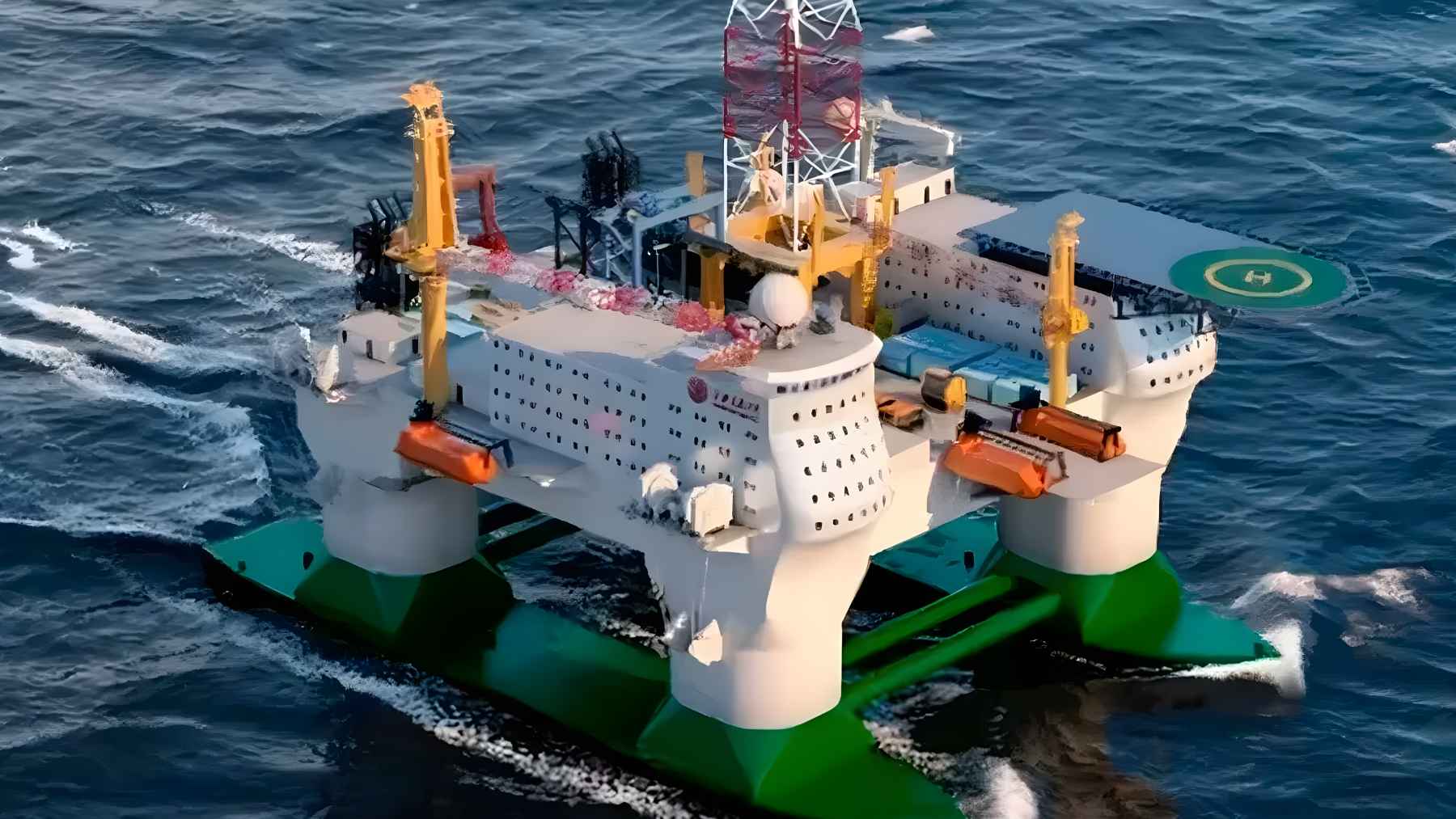
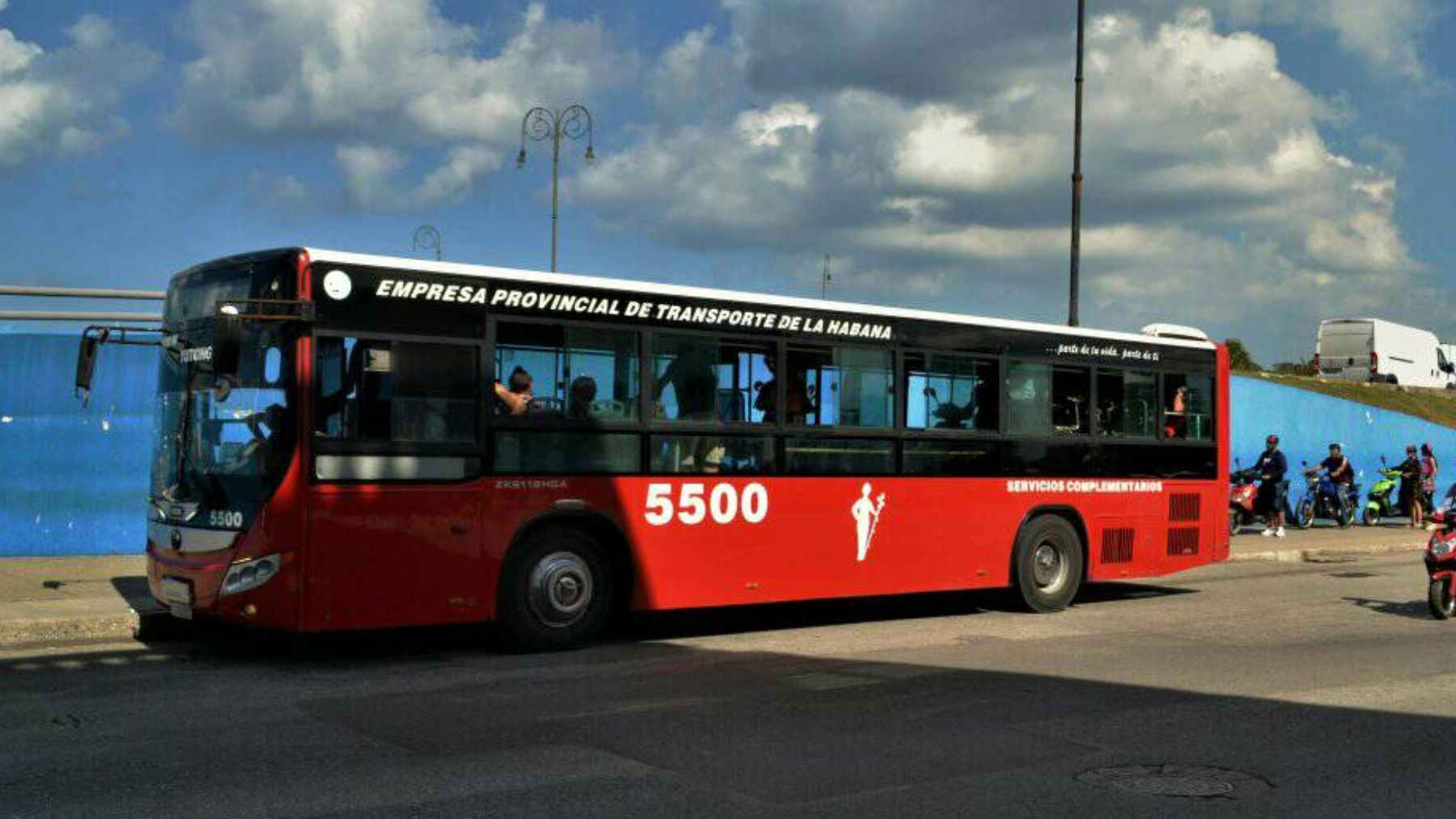
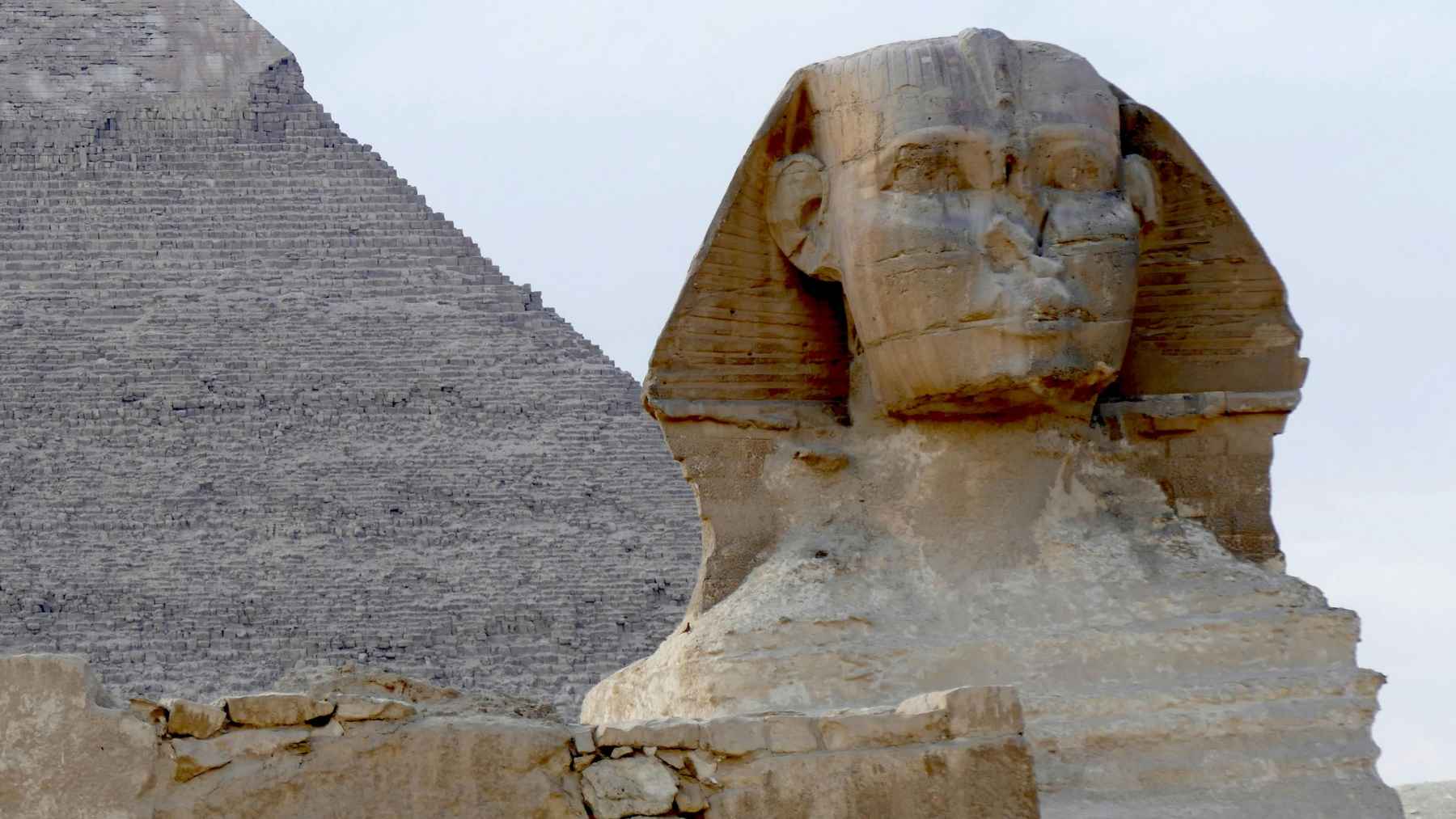
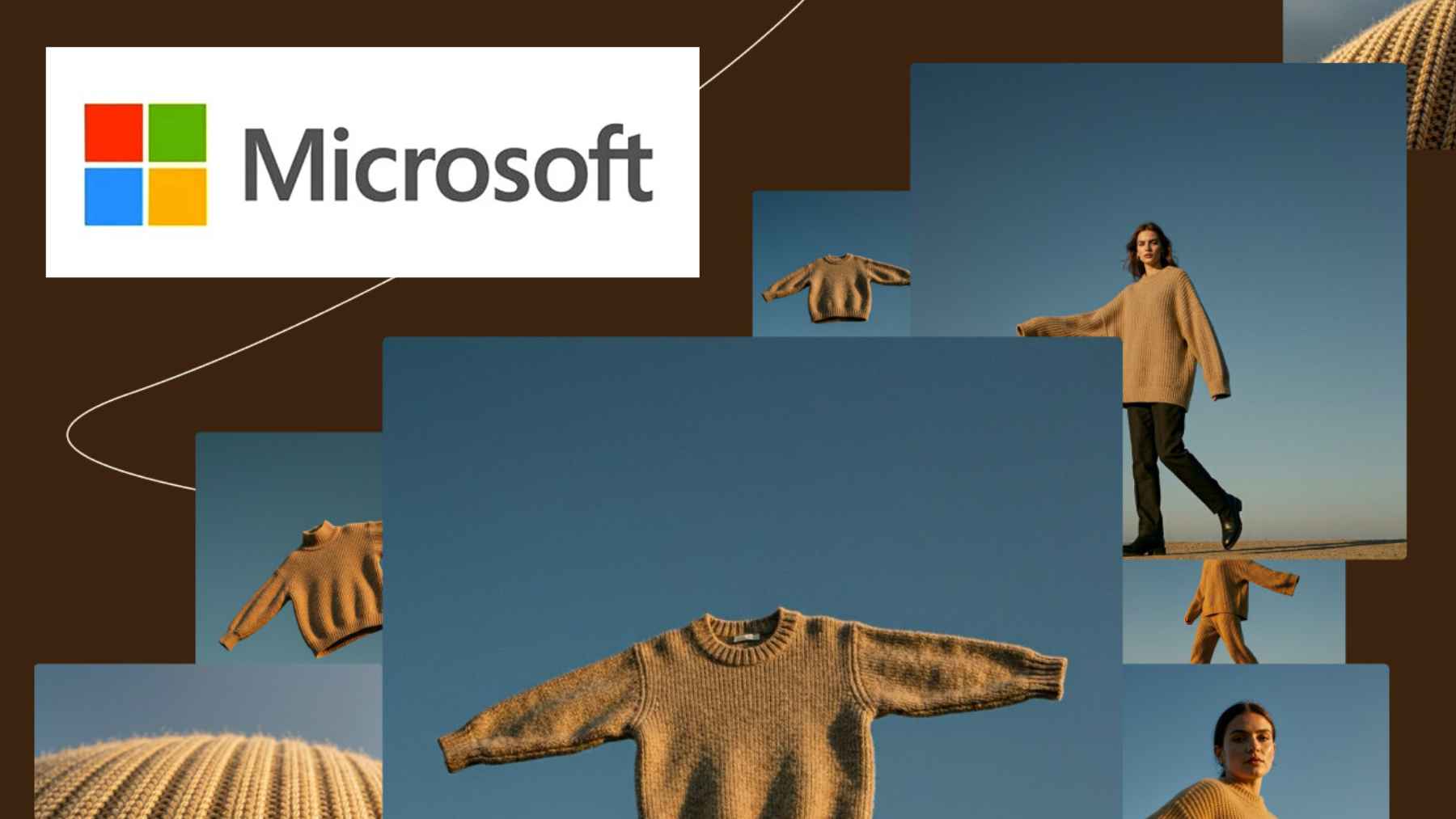
A composite of AI-generated visuals highlights the kind of high-volume, mixed-content output Microsoft is targeting with its faster, lower-cost image models.
Where Foundry, Copilot, and Bing come in
MAI-Image-2-Efficient is available now through Microsoft Foundry and MAI Playground, and Microsoft says it is rolling out across Copilot and Bing with more surfaces like PowerPoint coming soon.
No date was given for those broader product rollouts, and Microsoft notes that MAI Playground is available in select markets including the United States with European Union availability “coming soon.”
Microsoft also pointed to early evaluation work from Shutterstock, with a product manager highlighting “prompt fidelity” and “production-ready outputs” as the real test once teams move beyond experimentation. That focus on reliability, not flash, is what makes this release feel aimed at enterprise checklists.
Safety and governance are not optional
In its model card, Microsoft says its alignment goal is to reduce harmful or inappropriate images even when requested, using a “defense in depth” approach that includes mitigations during development and system-level safety measures like content classifiers. Microsoft also says Foundry includes built-in guardrails and governance for enterprise deployment.
That is helpful, but it does not remove the need for internal controls. High-volume image generation still benefits from clear brand rules, a review process for sensitive categories, and audit trails for who generated what and when. One weird image slipping into a paid campaign is all it takes to create a very expensive morning.
At the end of the day, MAI-Image-2-Efficient is less about artistic bravado and more about operational discipline. Microsoft is betting that the next wave of AI image growth will come from fast, predictable pipelines where cost control matters as much as quality, and the “perfect” image can stay in a separate tier.
The press release was published on Microsoft AI.