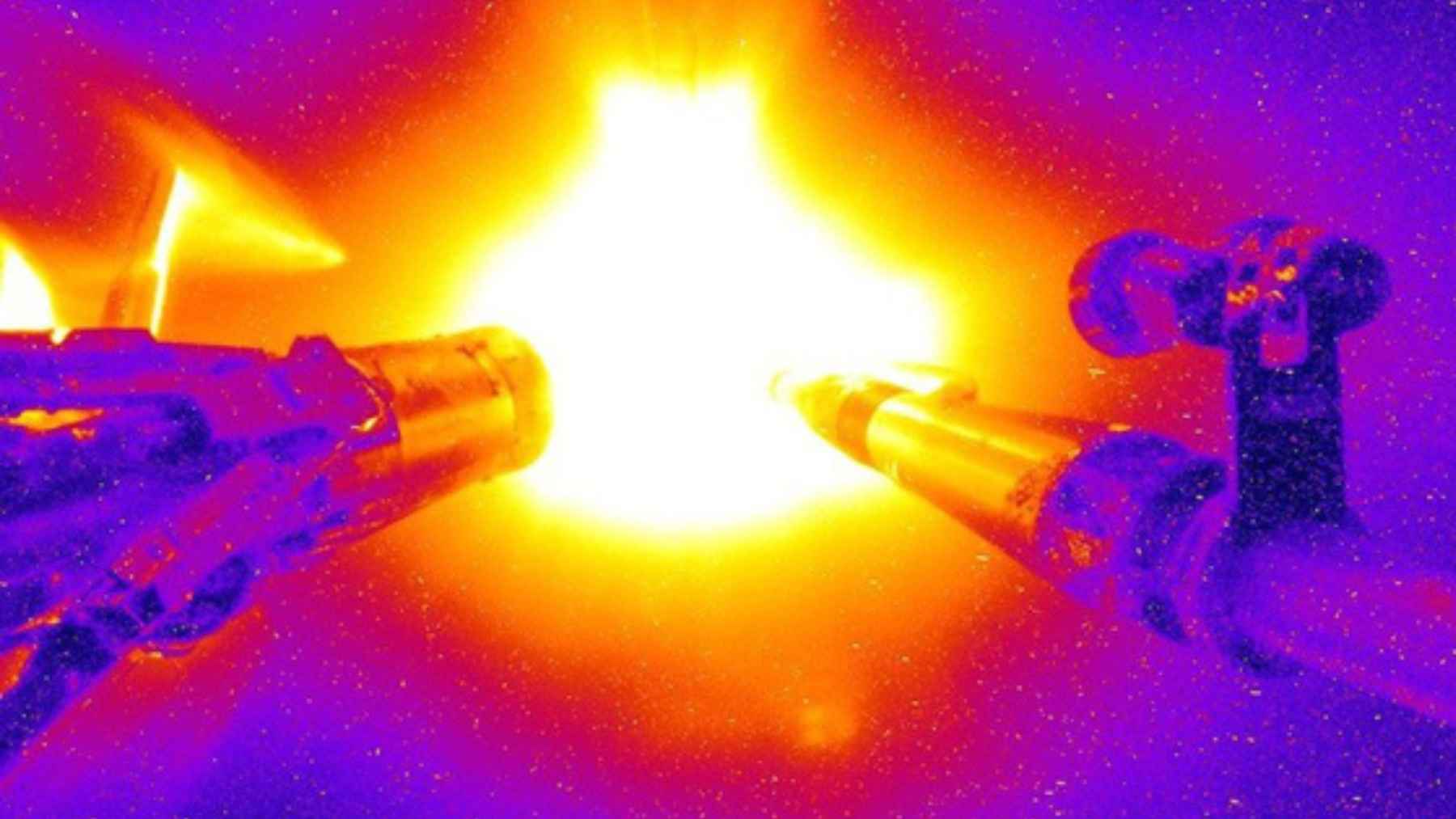
Canada-based General Fusion says its latest plasma-compression experiments produced a peak rate of about 600 million fusion neutrons per second, a milestone that adds weight to its magnetized target fusion approach.
The company says independent scientists reviewed the data and that the results were published in the journal Nuclear Fusion.
The timing matters. This kind of technical validation is landing right as the company pushes LM26 from “big prototype” into something closer to a repeatable machine, and as the broader fusion research narrative gets louder in public markets.
The main point is simple even if the science is not. Fusion progress is starting to look less like a single magic moment and more like a long series of measurable steps.
A neutron count that looks small until you know what it means
In fusion, neutrons are one of the clearest receipts that reactions are happening, especially in approaches where “net energy” is still a distant finish line. A peak of 600 million neutrons per second is not a power plant, but it can be a real signal that the machine is doing the right kind of work at the right instant.
General Fusion says the same shots showed the plasma’s density rising to about 190 times its starting value and the confining magnetic field strengthening by more than 13 times, while the plasma stayed stable enough to produce repeatable bursts. That “repeatable” part is the quiet headline, because messy plasmas love to misbehave when you push them.
How the experiment actually squeezes a plasma
General Fusion’s approach sits in the middle ground between magnetic confinement and laser-driven inertial confinement, using magnetized target fusion to try to get the best of both worlds. In practical terms, the idea is to start with a magnetized plasma and then compress it quickly so temperature and density jump before the energy leaks away.
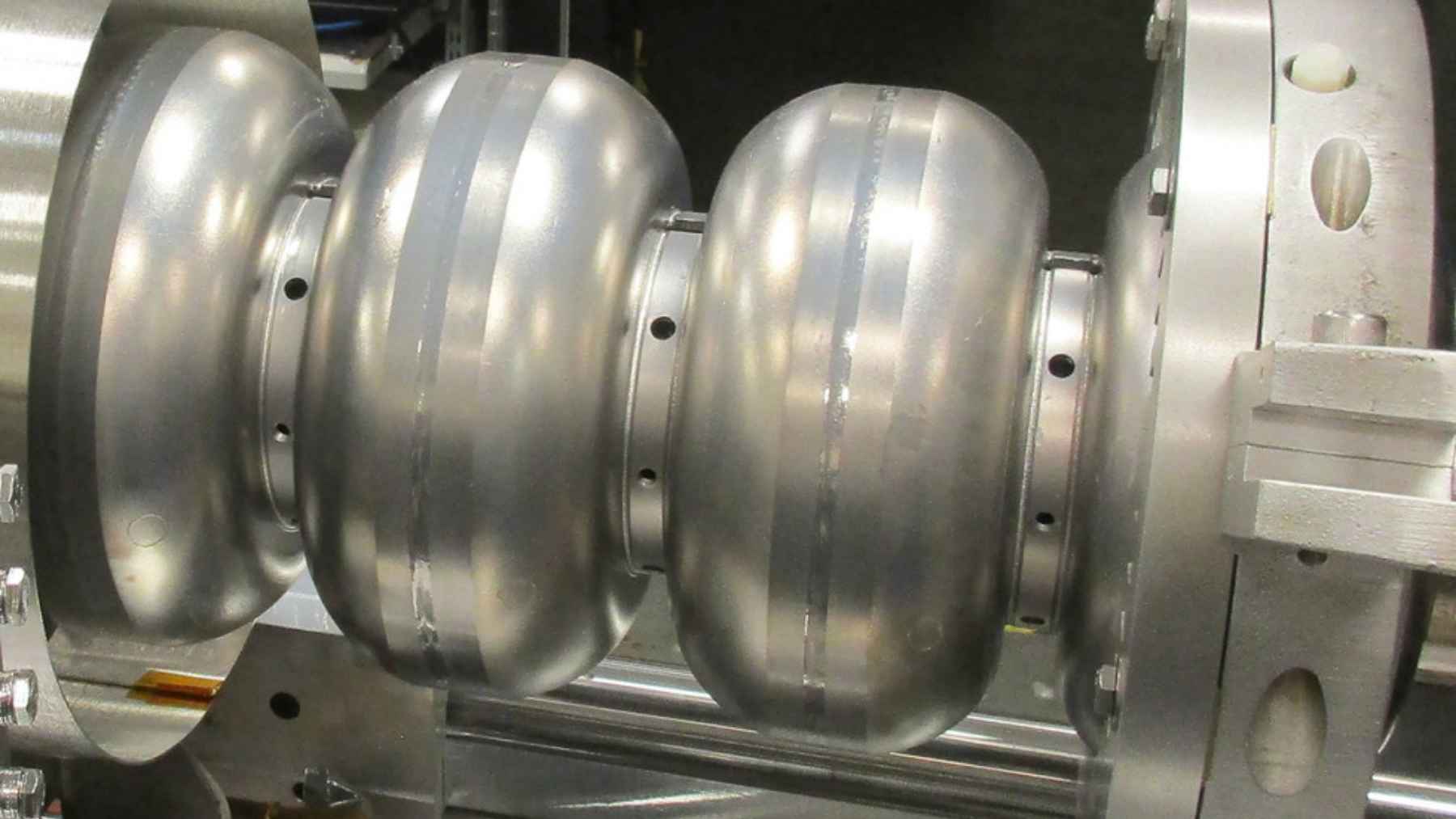
The company describes the compression concept with a liquid metal “liner” driven inward by mechanical systems, squeezing the hot plasma like a fast, precise clamp. It is an intuitive picture, almost like pressing evenly on a water balloon, except the “water” is metal and the center is doing physics that normally only happens deep inside stars.
LM26 and the jump from science to industrial engineering
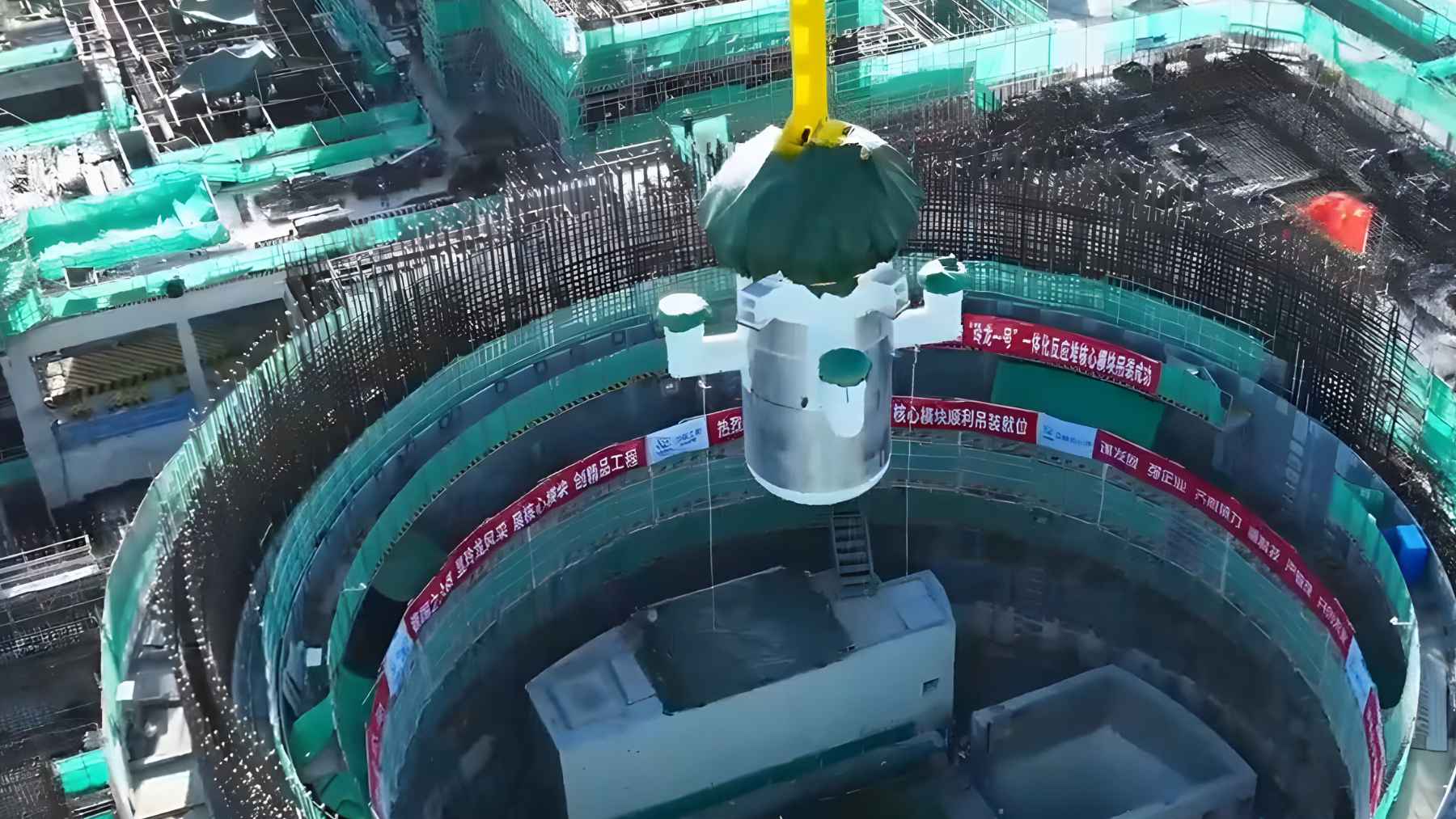
The neutron record is tied to an earlier compression campaign, but the bigger question is what it implies for LM26, the larger system built in Richmond, British Columbia. General Fusion has described LM26 as the platform meant to turn these one-off validation moments into repeated operations, the kind of step that starts to look like engineering instead of lab craft.
This is where the road gets expensive and stubborn. Hitting a temperature milestone once is one thing, and doing it over and over with components that survive is another, the same way grid-scale storage is not “just a battery,” but industrial engineering at the level of transformers, thermal limits, and maintenance schedules.
If LM26 can deliver stable compressions reliably, it moves the conversation from “is this possible” to “can this be built and run at scale?”
Why investors suddenly care again
On January 22, 2026, TechCrunch reported that General Fusion was pursuing a path to go public through a reverse merger with a SPAC, Spring Valley Acquisition Corp. III. The company and its SPAC partner also put out an official deal announcement describing a proposed business combination with Spring Valley Acquisition Corp. III and the funding structure around it.
Why does that belong in a neutron story? Because fusion lives or dies on funding timelines, and public markets are not patient in the same way government programs can be.
At the same time, electricity demand is becoming a daily constraint in more places, especially with the growth of AI data centers, which is one reason “clean firm power” ideas keep getting dragged back into boardrooms.
Not all fusion milestones are comparable
It is tempting to stack every fusion headline into a single scoreboard, but the field is really a collection of very different machines trying to solve the same basic problem.
For example, the U.S. inertial confinement program at Lawrence Livermore National Laboratory’s National Ignition Facility has reported record fusion yields in laser-driven experiments, including a well-publicized April 7, 2025, shot that produced 8.6 megajoules of fusion energy from 2.08 megajoules of laser energy delivered to the target.
That is a different universe from magnetized target fusion, even if both produce neutrons and both chase the same long-term prize. General Fusion’s neutron-rate record is best understood as a stability and compression validation, not as a claim about net electricity or a near-term reactor.
What to watch next
The next checkpoints are not just bigger neutron numbers. They are repeatability, diagnostic transparency, and whether LM26 can keep compressing plasmas in a controlled way without chewing through hardware faster than any commercial model could tolerate.
And then there is the part people actually feel at home. If fusion is ever going to matter, it has to show a believable path toward reliability that can compete with other clean systems, including building-scale heat strategies and smarter power management like hybrid solar systems.
Otherwise, it stays a scientific marvel that never touches the electric bill sitting on the kitchen counter.
The “breakeven” language also deserves careful listening. General Fusion and other teams often frame targets in terms of the Lawson criterion, which is a way of describing the combination of temperature, density, and confinement time needed for a plasma to approach energy gain.
The study was published on IOPscience.