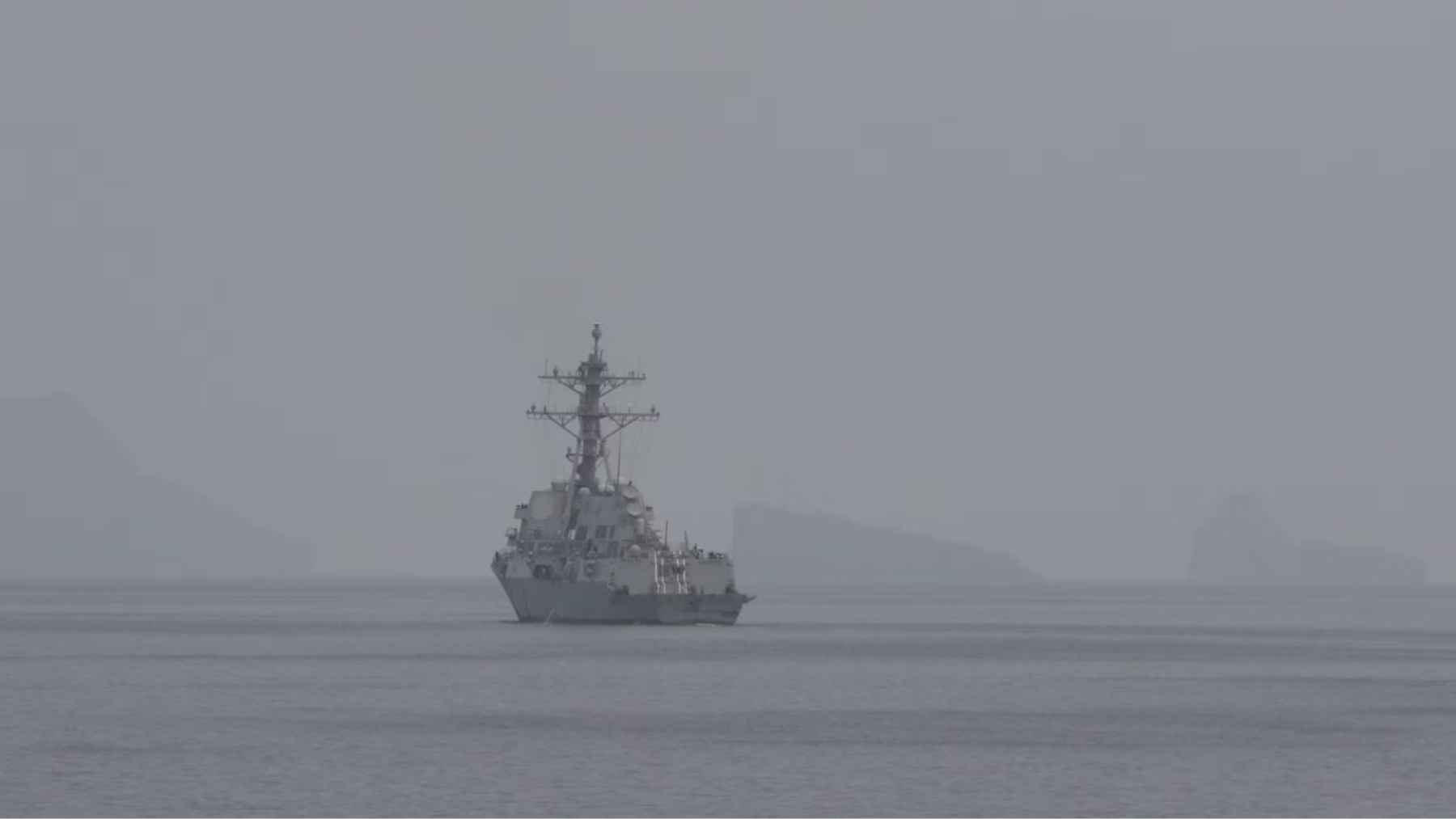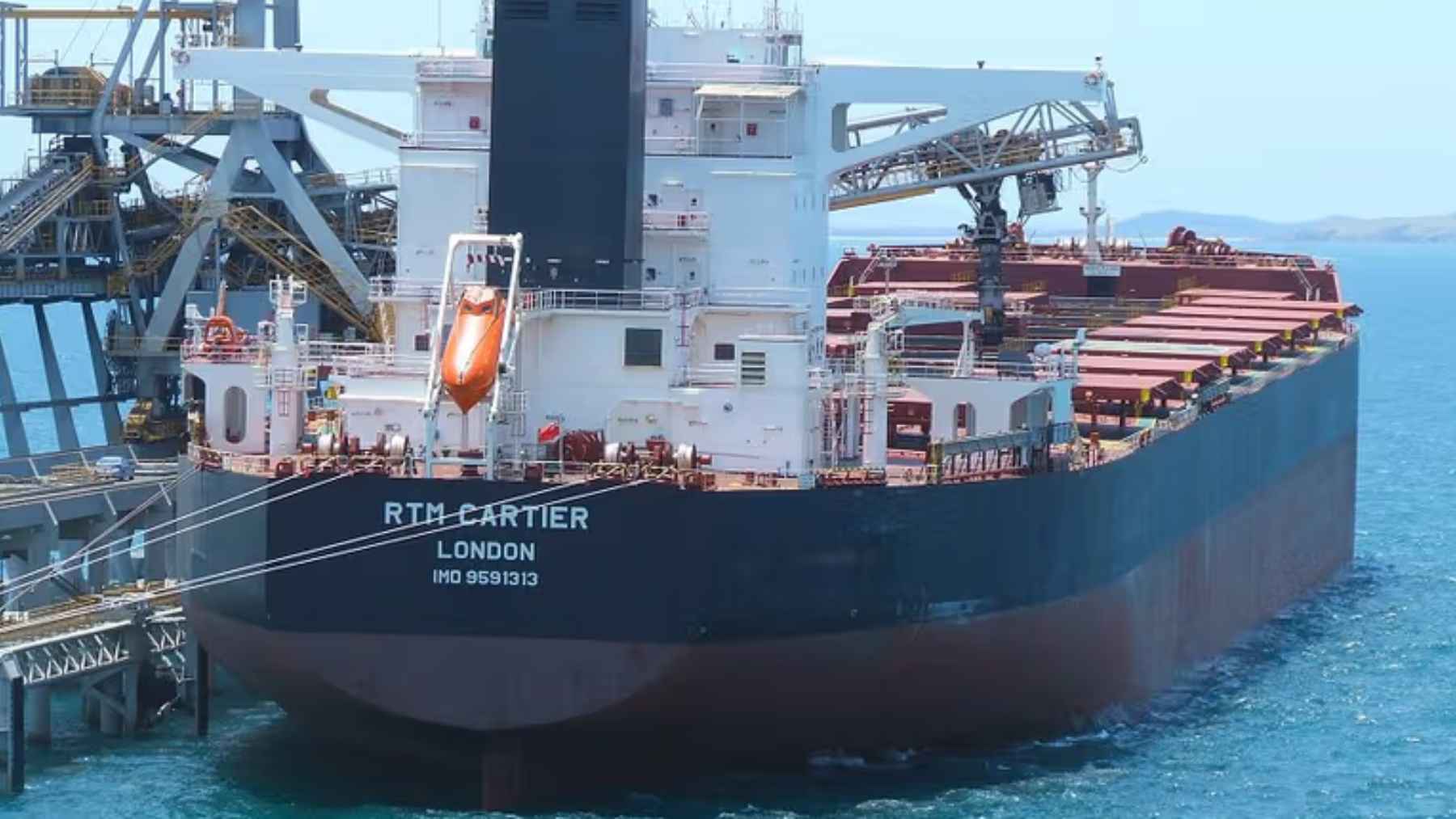
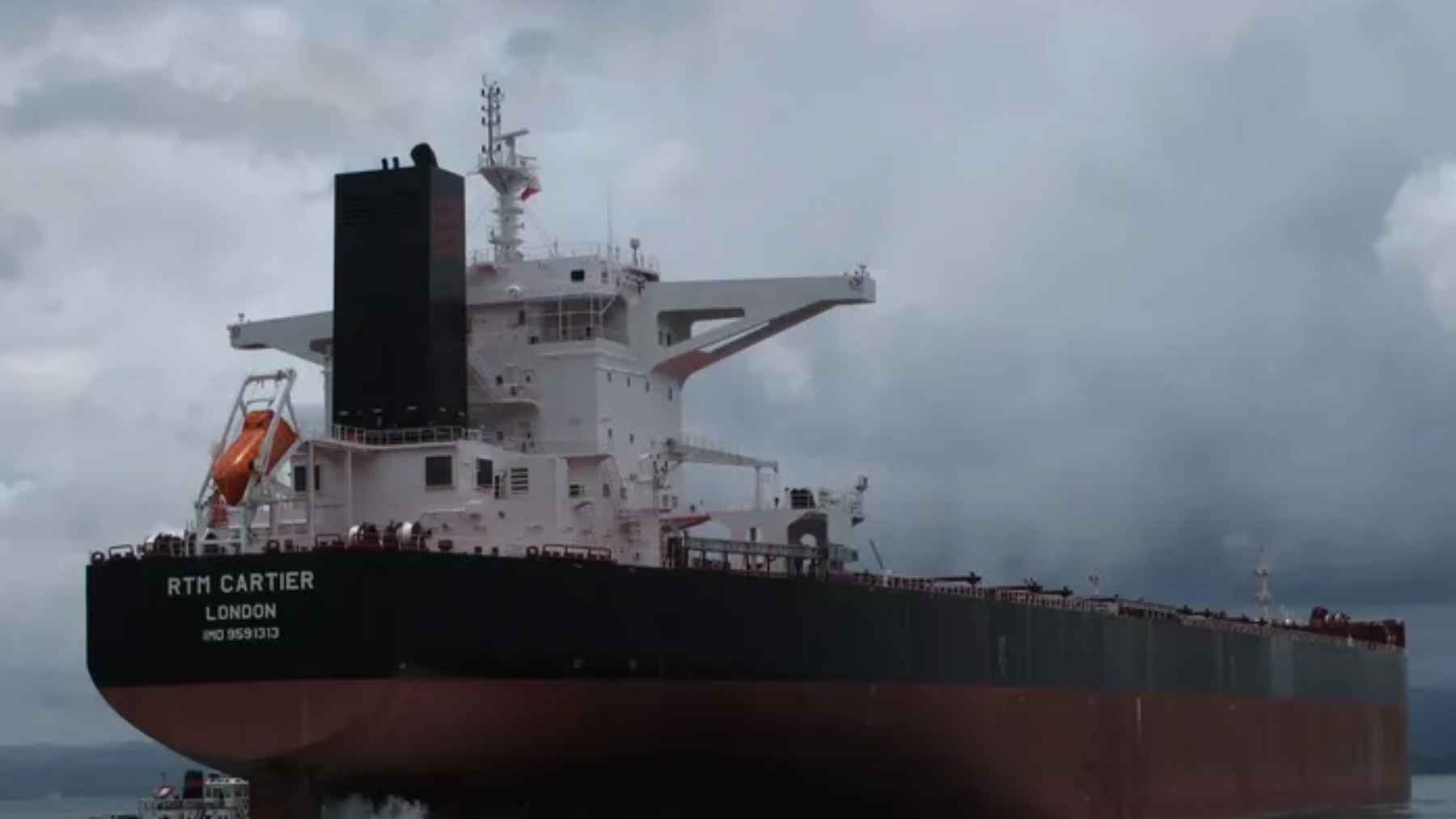
A bulk carrier pulling into port rarely feels like a turning point. But on March 25, 2026, the Rio Tinto Marine vessel RTM Cartier docked at the Port of Dalian with the first shipment made up entirely of iron ore produced by SimFer, one of the operating partners at Guinea’s long delayed Simandou deposit.
The cargo itself was about 201,500 metric tons, roughly 222,000 U.S. short tons. That is a drop in the bucket for China’s steel industry, yet it signals something bigger than one delivery.
The project’s mine to port logistics are starting to look real, and that can shift bargaining power in global raw materials faster than most people expect.
What arrived in Dalian and why it matters
SimFer said RTM Cartier carried iron ore sourced exclusively from Simandou’s southern Blocks 3 and 4, then reached Dalian as the port launched a bonded crushing facility tied to Simandou supply.
The company framed it as the “official entry” of SimFer iron ore into the global market, after years of planning and construction.
What made this shipment different was not the tonnage. It was the purity of the chain. SimFer described earlier movements as test and joint logistics, including a first joint shipment with Winning Consortium Simandou that reached China in January 2026, while this was the first “all SimFer” cargo moving through a more complete end-to-end system.
Dalian’s role also hints at how tight the operational requirements are. SimFer says its ore is crushed twice in Guinea and then crushed a third time on arrival in China to hit customer specifications, cut moisture issues, and keep quality consistent for steelmakers. That is the unglamorous part of mining that decides whether contracts get renewed.
China’s iron ore appetite makes every new route strategic
China imported about 1.3 billion metric tons of seaborne iron ore in 2025, around 1.43 billion U.S. short tons. Australia supplied roughly 830.9 million metric tons, about 915.9 million short tons, and Brazil supplied about 304.5 million metric tons, around 335.7 million short tons, based on figures cited by S&P Global from Chinese customs data.
So why care about a single ship? Because steel is everywhere, from the beams over your head at the grocery store to the rebar under a sidewalk repair, and China consumes more iron ore than anyone else. When one buyer sits at the center of that kind of demand, new supply lanes become negotiating tools, not just commerce.
Reuters has reported that China still sources the bulk of its iron ore imports from Australia and Brazil, and Beijing has been working to diversify for years. That includes the creation of the state-backed China Mineral Resources Group in 2022, part of a broader push to improve China’s leverage in overseas sourcing and pricing.
Guinea’s economic bet is massive and long overdue
For Guinea, Simandou is supposed to be a national economic engine, not just another mine. Rio Tinto has described Simandou as Africa’s largest mining and related infrastructure project and says the deposit holds more than 1.5 billion metric tons of high-grade ore reserves, around 1.65 billion U.S. short tons.
The scale is hard to picture until you think about what has to be built around the ore.
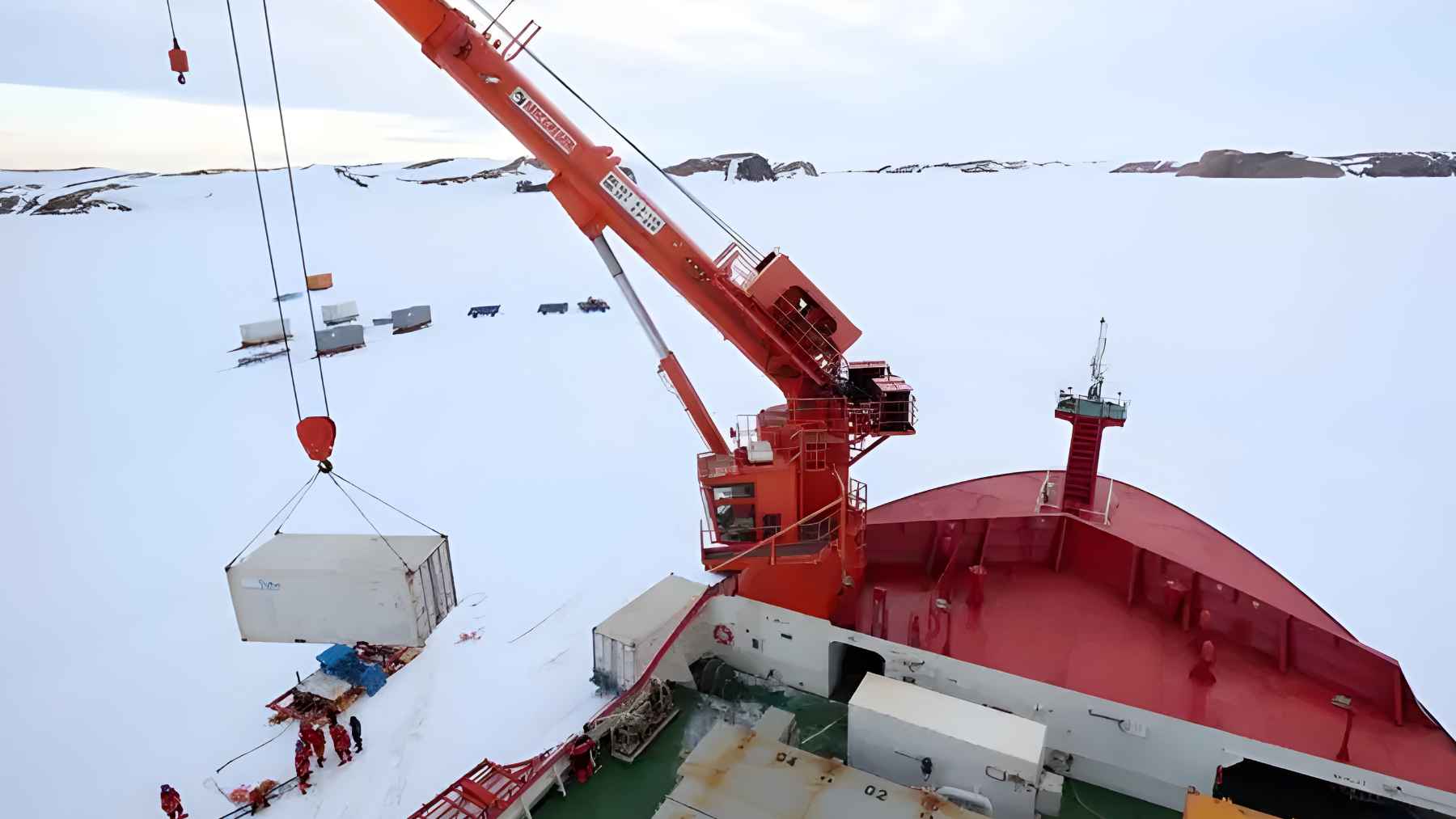
Rio Tinto says the partners are collectively building more than 600 kilometers of multi-user railway and port infrastructure, which is more than 370 miles, to move rock from Guinea’s interior to the coast. And construction and community impacts tend to show up long before export revenue does.
SimFer, for its part, has said that once commissioning is complete, its production is expected to ramp up over about 30 months to 60 million metric tons a year, roughly 66 million short tons annually. Those are numbers that can reshape a national balance sheet, but only if governance, transparency, and local benefits keep pace with output.
Infrastructure is the real prize
Simandou is not a single operator story. It is four mining blocks split among major partners, including the Guinean government, Rio Tinto, and a Chinese-led consortium, with the infrastructure designed to serve more than one producer. That shared model is one reason progress matters so much, because delays in rail or port capacity can bottleneck everyone.
For China, being first in line is not an accident. Chinese firms have been central players across the broader Simandou partnership structure, and the early shipments have been closely watched as proof that “mine rail port maritime transport” is more than a slogan. When infrastructure financing and long-term offtake agreements travel together, access tends to follow.
Dalian adds one more layer. CNSS described the bonded crushing project as opening a new logistics corridor linking West Africa and Northeast China, and it highlighted that the March 25 arrival lined up with the start of that port side processing operation. In practical terms, it means this supply chain is being engineered for repeatability, not one-off headlines.
What this could mean for prices and incumbents
Simandou has been called a “Pilbara killer” in market chatter, a reference to Australia’s dominant iron ore region. But S&P Global noted that observers remain cautious, pointing to near-term logistical constraints and limited early production as reasons the impact may build gradually rather than overnight.
At full scale, Simandou is expected to reach 120 million metric tons a year, about 132 million short tons. Yet S&P Global cited analyst expectations that exports in 2026 could be around 15 million metric tons, about 16.5 million short tons, which is significant but far from full throttle.
Price pressure is still the medium-term story. S&P Global reported a CERA forecast that iron ore could fall from about $106 per dry metric ton in December 2025, roughly $96 per dry short ton, to about $89 per dry metric ton by December 2027, roughly $81 per dry short ton, with all in sustaining costs estimated around $55 to $60 per dry metric ton, about $50 to $54 per dry short ton.
If Simandou ramps on schedule, higher cost producers could feel the squeeze.
What to watch next
The next signal is boring but decisive. Can Simandou move steady volumes, on time, through the same rail and port system again and again, even during weather disruptions, maintenance cycles, and political noise? That consistency is what turns a milestone into a market baseline.
Watch where the ore goes inside China, too. SimFer’s emphasis on sizing and moisture control points to steelmakers that care about predictable furnace performance, especially when margins are tight and energy costs are hard to swallow. In a world of volatile commodity prices, reliability is its own kind of discount.
And keep an eye on the diplomacy wrapped around the logistics. When a country imports more than a billion metric tons of iron ore a year, new suppliers do not just change freight routes, they shift leverage. For now, the market is watching the next ship.
The press release was published by SimFer.