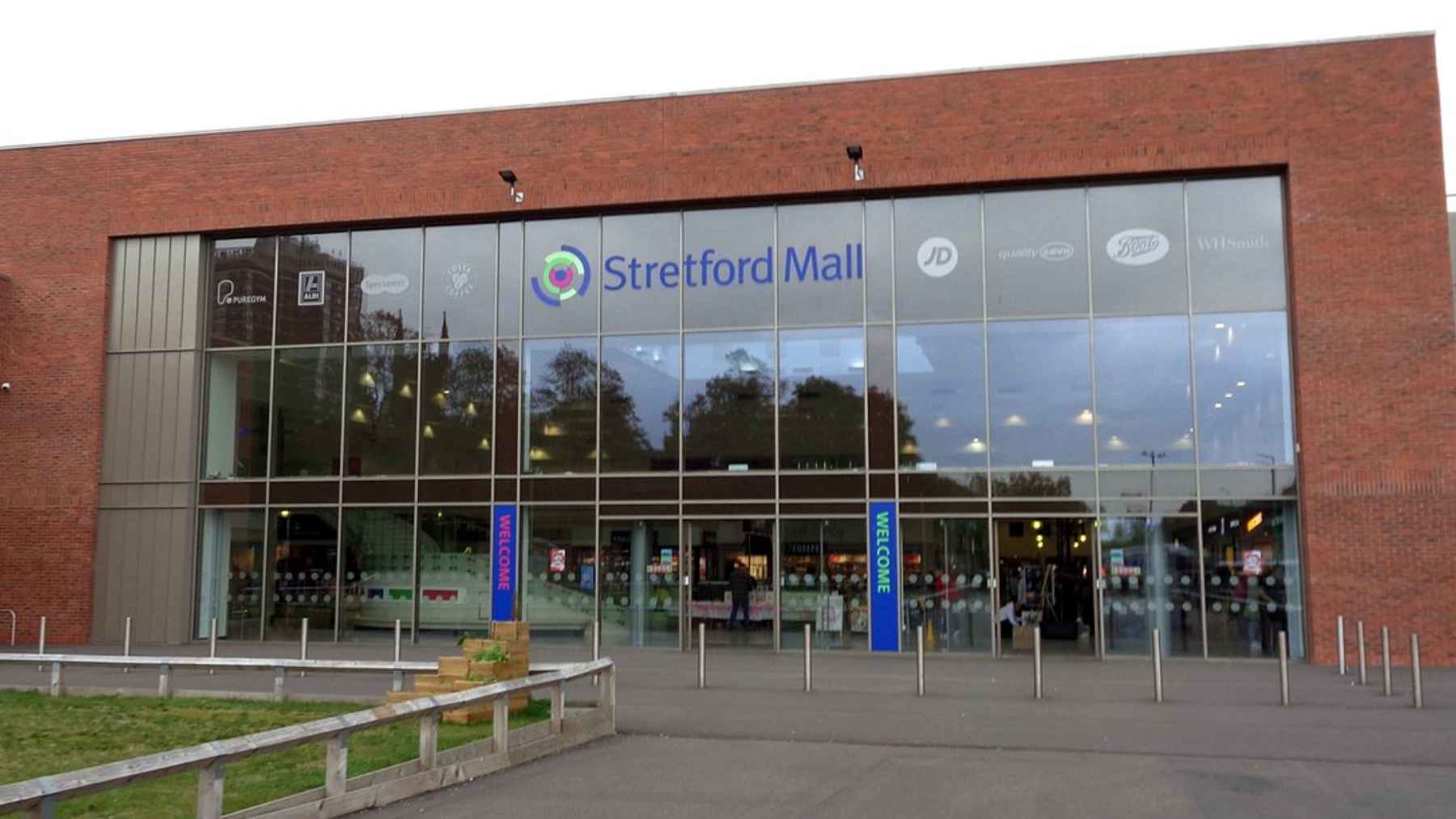
Stretford Mall, a long-running shopping hub outside Manchester in England, has closed and is heading for demolition as planners push ahead with a new neighborhood centered on housing and green space.
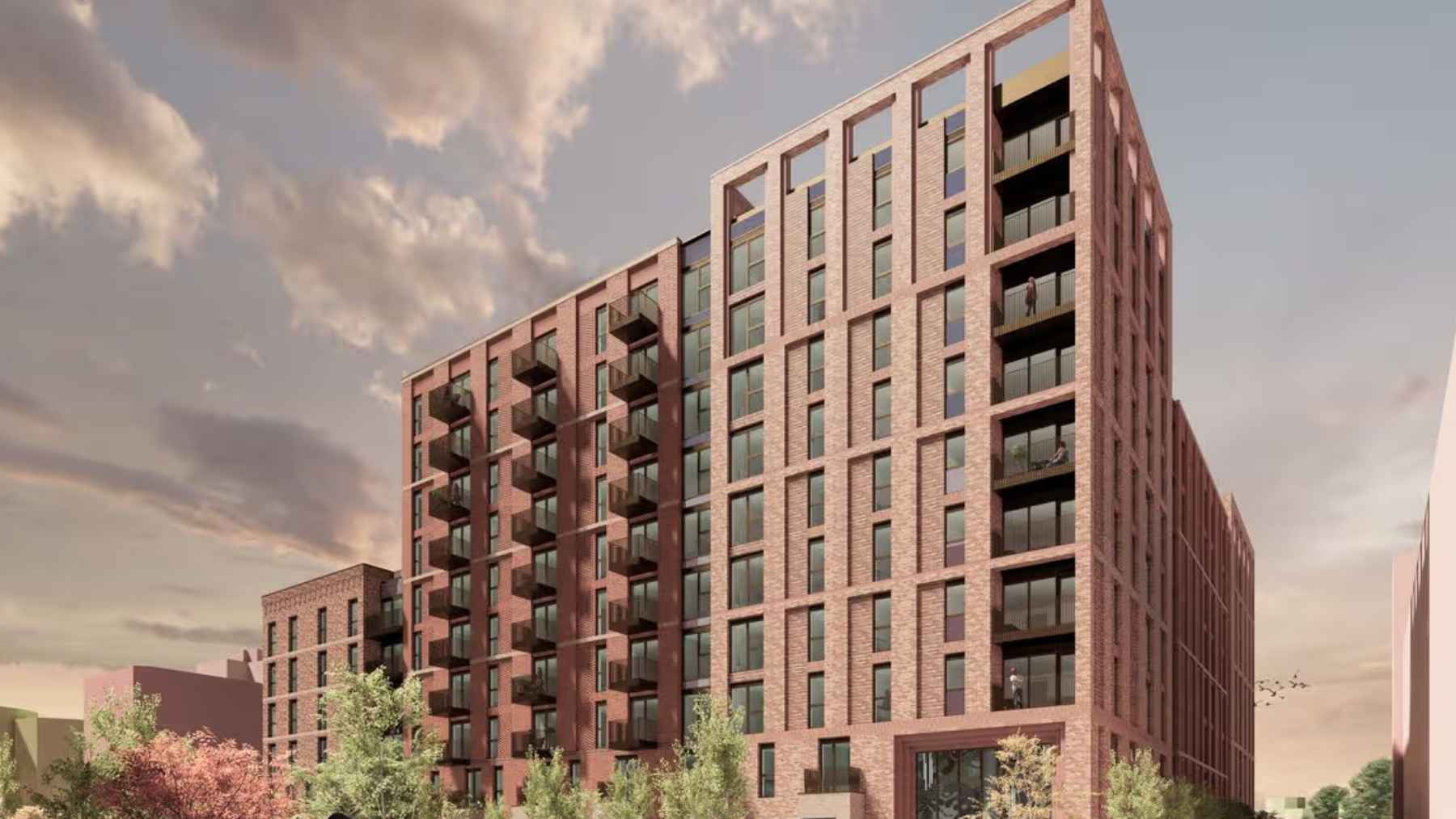
The latest plans call for 248 new homes and a public park on the mall site, led by Trafford Council and property group Bruntwood.
It is a local story with national echoes. When a shopping center that once anchored weekly routines is replaced by apartments, it is not just a real estate swap. So what replaces the old “Saturday browse” when most purchases start with a search bar instead?
What is planned
A reserved matters application has been filed for a residential-led scheme of 248 homes with a private courtyard, flexible commercial uses, and a new park at Land at Stretford Mall on Chester Road.
The submission sits under a wider hybrid permission that allows up to 800 homes on the broader site, along with up to 13,000 square meters of commercial floorspace (about 140,000 square feet).
Design partner AHR says the submitted mix includes 120 one-bedroom apartments, 114 two-bedroom homes, and 14 three-bedroom townhouses, arranged around a nearly two-acre park. Plans also include two ground-floor retail units and public realm improvements intended to make routes through the town center feel more connected.
Work is already moving from planning to preparation. The Stretford town center regeneration update says the mall closed on February 28 and demolition work starts in March, while local reporting described February 27 as the final day of trading and suggested demolition could run into late summer.
A shopping center built for another era
Stretford Mall opened in 1969, when indoor shopping centers still felt like the future and a roof over the high street was a selling point. The project’s own history notes it replaced the traditional King Street shopping district and was the sixth largest indoor shopping mall in the country at the time.
That is why the closure lands emotionally, even for people who rarely shopped there in recent years. One local resident, Wendy Austin, posted memories of childhood visits that always included a look at the fountain and small milestones like new roller skates and a prized Barbie.
Nostalgia does not pay the maintenance bill, though. Aging malls face rising operating costs, changing tenant demand, and competition from retail parks and online sellers that can deliver to your door before you finish your morning coffee.
The online shift that broke the model
Online retail did not simply add a new channel, it rewired the math of physical stores. A UK Parliament research briefing notes that online sales were around 20% of all retail sales in Great Britain in 2019, jumped to a record 37% in February 2021, and have stayed above pre-pandemic levels even after shoppers returned to stores.
It is a huge market, which is why small percentage swings matter. The same briefing puts total retail sales in Great Britain at £517 billion in 2024 (about $696 billion), up 1.4% from 2023.
Footfall data shows why older shopping centers struggle to regain momentum. British Retail Consortium data says total U.K. footfall in 2025 fell 0.8% from 2024, and shopping center footfall was down 5.1% year over year in December.
Why housing is the new anchor
Developers and councils have started treating housing as the new “anchor tenant” because residents create steady demand for everyday services. In practical terms, more people living nearby can support the cafes, gyms, clinics, and convenience retail that are harder to justify when a site relies on weekend shoppers alone.
That logic is visible in the Stretford plan. Bruntwood says the project pairs new homes with a park and ground-floor retail and leisure units, with public access routes that link into the wider masterplan.
Money matters, too. Bruntwood says the phase will benefit from Mayor Andy Burnham’s £1 billion Good Growth Fund (about $1.35 billion), with £26 million already allocated for housebuilding in Old Trafford (about $35.0 million) and a further allocation for the Stretford site tied to milestones.
It also points to £3.4 million (about $4.6 million) in “social value” delivered through the King Street works.
The tradeoffs locals will feel first
Even a well-designed regeneration can feel like a loss in the short term. Construction noise, detours, and the disappearance of familiar storefronts are the kinds of changes you notice on the school run or the commute, long before you see new trees in a new park.
There are also questions about who gets to live in the new homes. Trafford Council’s earlier outline approval described up to 800 homes in the wider masterplan area, including affordable housing, and Bruntwood says later phases are due to come forward that will include affordable homes.
For now, the detailed application is a single slice of a larger plan. The regeneration update says the town center will remain open and trading as works progress, with pedestrian and cycle routes maintained, which is the kind of pledge that will be tested on wet weekdays when temporary signage has to compete with habit.
What to watch next
The next milestones are procedural but important. Public notices list the reserved matters submission under ref. 118672/RES/26, linked to the wider hybrid permission, and the coming weeks will shape what conditions and design changes are attached before construction accelerates.
Beyond Stretford, the bigger question is whether town centers can make the shift from shopping destination to mixed-use neighborhood without losing their civic heartbeat. The Parliament briefing highlights the churn, including the 34 multi-store retail companies that ceased trading in 2024 and the 7,537 stores affected.
If the plan works, the mall’s replacement will not just add housing. It will also show how a town can turn an emptying retail box into a place where people actually want to spend time, even when the easiest option is still to tap “buy now” on a phone.
The official statement was published by AHR.