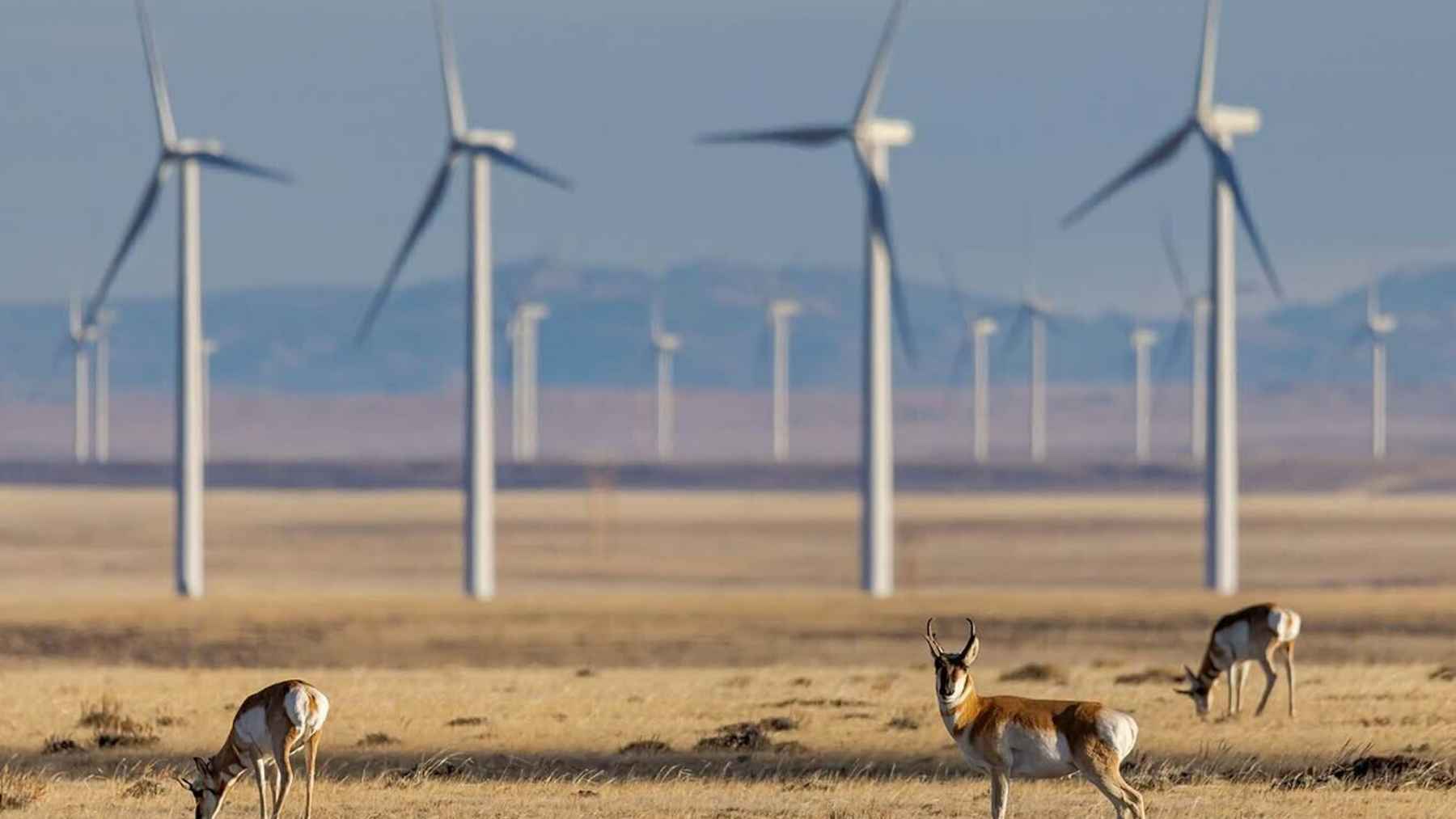
Wyoming’s southeast corner is used to wind. But a new wave of renewable buildouts is turning that familiar gust into a political flashpoint. Opponents say the Laramie Range is becoming a “Wyoming wind wall,” a corridor of tall turbines that could permanently reshape views, property values, and local identity.
Supporters counter that the stakes are bigger than scenery. They point to more than $40 million in annual lease payments to Wyoming landowners, plus jobs and tax revenue in communities that have long leaned on energy. The dispute is now testing a basic question many rural regions face: how do you scale clean power without breaking trust with the people who live next to it?
Why the Laramie Range is a magnet
Southeast Wyoming is famous for constant wind. On the open prairie, average winds can top 23 mph, and mountain gaps act like a natural funnel for sustained gusts, according to the Wyoming Energy Authority (WEA).
That wind has already become a major part of the state’s power mix. With wind supplying 21% of Wyoming’s electricity generation in 2023, developers see a proven resource and a familiar permitting pathway, at least on paper.
A pipeline of megaprojects
The scale is what’s spooking some residents. Wyoming’s marquee buildout is the Chokecherry and Sierra Madre Wind Energy Project near Rawlins, scheduled for completion in 2029 and expected to generate more than 3,000 megawatts, which is often described as enough to power over a million homes.
Closer to Cheyenne, a proposed project tied to Repsol has become a local fault line. After Laramie County commissioners denied the initial permit, the developer revised the plan from 170 turbines to 139 and reduced the footprint from 56,000 acres (about 88 square miles) to 41,220 acres (about 64 square miles), while signaling it would also pursue state-level review.
Other proposals are stacking up nearby. NextEra’s Chugwater Energy plan could combine wind, solar, and battery storage across about 47,000 acres (roughly 73 square miles), while another wind proposal known as Pronghorn H2 has drawn packed meetings and vocal opposition.
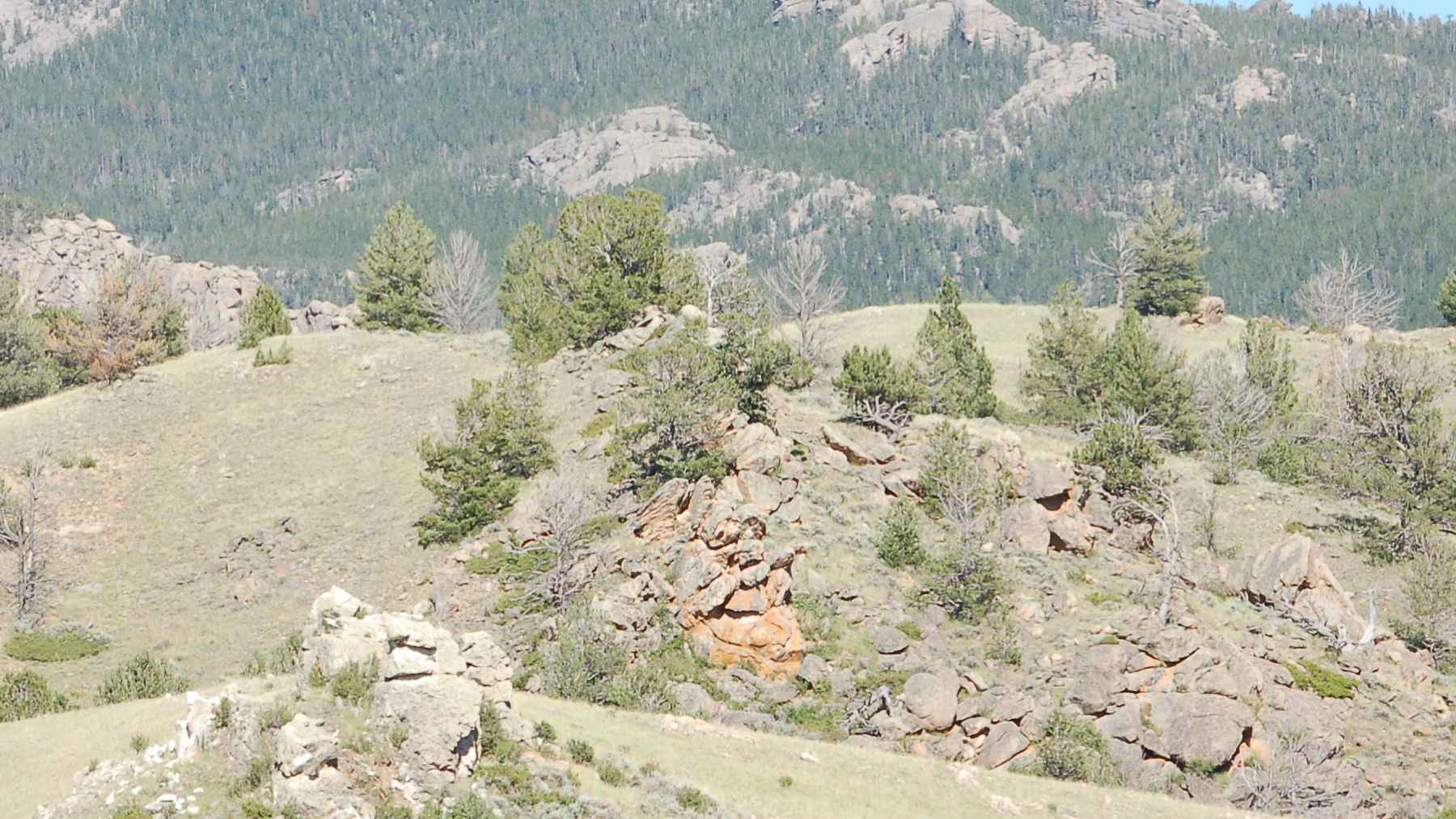
Ground zero for the energy transition: The Laramie Range’s unique geography acts as a natural funnel for the sustained winds powering Wyoming’s latest megaprojects.
The economics are real – so are the tradeoffs
It’s not hard to see why landowners sign up. Supporters say annual lease payments tied to renewable projects exceed $40 million statewide, money that can help ranch families keep land intact and pay for equipment, feed, and the next generation’s plans.
But opponents argue the cumulative effect is what’s being ignored. A petition calling for a broader review of projects along the Laramie Range corridor has circulated locally, with residents warning that once foundations, roads, and transmission infrastructure arrive, “there is no going back.”
That fear is not just about views. It is about land use, too, as industrial-scale facilities shift working ranch country into long-term energy production zones, even if cattle continue grazing between towers.
Permits, process, and the fear of “no turning back”
Wyoming’s review system is one of the most rigorous in the country, according to renewable advocates. They point to the Wyoming Department of Environmental Quality industrial siting process, which can require extensive social, economic, and environmental studies and coordination with multiple state agencies before a permit is granted.
The state-level review also includes the Industrial Siting Council, which weighs impacts and mitigation before approving construction for large facilities. A state-commissioned document titled the Guide to Permitting Wind Energy Projects in Wyoming lays out how long and layered that process can be.
Still, critics say procedure is not the same as strategy. Their central complaint is that no one is treating the ridgeline as a single, accumulating buildout, even if each project clears its own checklist.
Data centers are the wild card
Cheyenne is also home to another kind of infrastructure boom. In October 2025, Related Digital announced it broke ground on a $1.2 billion data center campus, and that kind of power-hungry development can change how a region thinks about generation and transmission.
There is also the military footprint. The city sits next to F.E. Warren Air Force Base, a major employer and strategic hub, which means grid reliability is not just a household concern – it can be a mission concern.
In the end, this fight is about more than clean energy versus local character. When major computing loads and renewable buildouts collide, the stakes shift from abstract policy to something closer to everyday anxiety: will the lights stay on, and what happens to the monthly bill?
The press release was published on Related Digital.