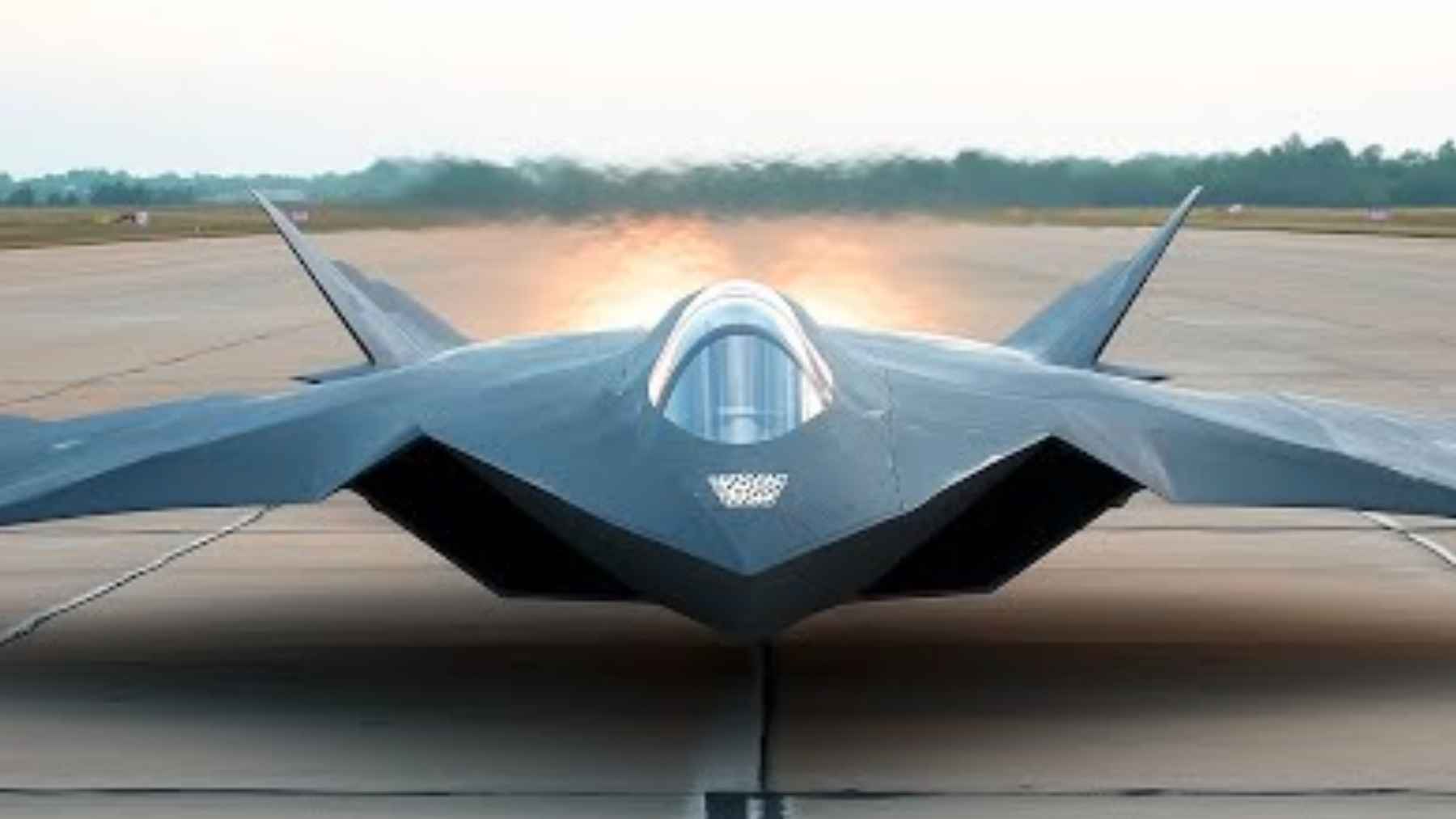
The U.S. Air Force says its new F-47 sixth-generation fighter is still on track to fly within the next two years, with a planned debut by 2028.
Gen. Dale White, the senior acquisition official overseeing the program, told reporters at the Air and Space Forces Association Warfare Symposium that progress is “exceptionally” strong and that the first airframe is already in production.
That is a bold timeline for a high-end crewed aircraft, and it matters far beyond one jet. If the Air Force can keep this schedule, it becomes a proof point for a faster, more tech-driven acquisition model, and for Boeing’s ability to execute under pressure. If it slips, skeptics will argue it was never realistic in the first place.
A fast timeline by Pentagon standards
White’s update is striking because of the clock, not just the aircraft. The Air Force wants to debut the F-47 in 2028, only three years after awarding Boeing the engineering and manufacturing development contract in March 2025.
For comparison, the F-22 was selected as the winner of the Advanced Tactical Fighter competition in 1991, and a production model flew six years later. Anyone who has lived through a home renovation that actually finishes on time knows how rare schedule discipline can be, and defense programs are usually far harder than kitchens.
The Air Force’s argument is that the program is not starting from zero. The service says it built up the foundation over years of work on what became the Next Generation Air Dominance effort, including experimental “X-plane” flying that, according to an earlier Air Force announcement, logged hundreds of hours and helped mature key technologies.
Range is the headline capability
The clearest performance signal the Air Force has put in public is reach. Officials have said the F-47 is planned to have a combat radius of more than 1,000 nautical miles (about 1,151 miles), plus speeds greater than Mach 2, which is more than twice the speed of sound.
Why does combat radius get so much attention? In practical terms, it helps decide how far a fighter can go, fight, and come back without turning every mission into a tanker-dependent balancing act.
The Air Force has suggested that the F-47’s radius would be nearly double that of the F-22, which has been cited at about 590 nautical miles (about 679 miles) in recent reporting tied to Air Force comparisons.
There is an important caveat, though. Combat radius is not a single, universal truth because it depends on mission profile, payload, altitude, and how long a jet has to loiter, and the Air Force has not released those details for the F-47. Still, the jump in the public number signals what the Air Force is prioritizing, and it is not hard to see why.
Boeing’s workforce sprint
The business side of this story is just as consequential. White said Boeing has invested in the program and has been ahead of potential problems, pointing to something defense watchers track closely early on, which is how fast a prime contractor can staff up with the right engineers, manufacturing talent, and program managers.
That matters because early program staffing is often where reality starts to diverge from PowerPoint. When personnel ramp falls behind, design decisions get delayed, supplier planning slips, and test schedules start stacking up like airport departure boards during a storm. White’s assessment was that Boeing has been “doing a really good job” on that ramp so far.
The Air Force, for its part, has framed the project as a major push for both military capability and the industrial base. In its March 2025 contract announcement, the service said the award funds the engineering and manufacturing development phase and includes options for low-rate initial production, which is the bridge from prototypes to real production jets.
A new acquisition playbook behind the scenes
The F-47 schedule is also tied to how the Pentagon is trying to buy weapons differently. White is not just a program cheerleader – he is in a new oversight role responsible for multiple marquee efforts, including the F-47 family of systems, the B-21 family of systems, Sentinel and Minuteman III systems, and Air Force One, with an Air Force biography putting the total portfolio value at roughly $250 billion.
At the same symposium where White gave the F-47 update, the Air Force publicly described changes meant to speed delivery and focus on mission outcomes rather than paperwork milestones.
In an official Air Force write-up of that panel, leaders talked about empowering acquisition executives and aligning requirements, acquisition, and resourcing so the system does not wobble like a “three-legged stool” with one short leg.
That is where the F-47 becomes more than a jet. It is an early, high-profile test of whether the Air Force can keep requirements stable, move contracts quickly, and still maintain quality, security, and safety in a program where many details are classified.
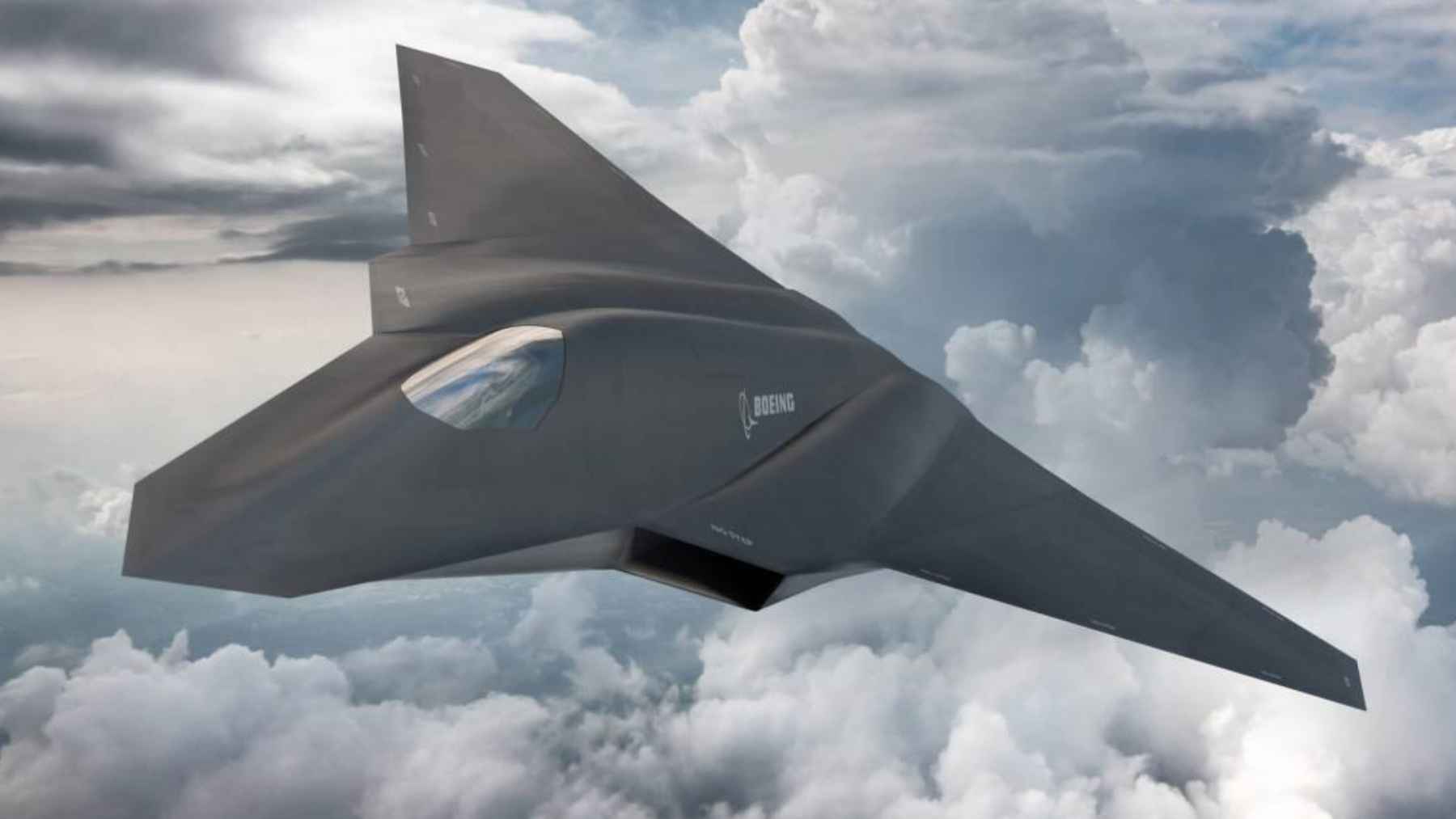
Risks that do not show up in a rendering
Even with a head start, the hardest part is often the transition from promising concepts to a flightworthy, test-ready aircraft. New materials, software, sensors, manufacturing techniques, and supply chains can behave beautifully in isolation and then cause headaches when integrated into a single airframe. That is the unglamorous side of modern military aviation.
There is also the funding reality. The Air Force says it plans to buy more than 185 F-47s to match its current F-22 fleet, with the possibility of going higher, but that scale depends on budgets and on how well the jet performs as it moves through testing.
And then there is the broader ecosystem the Air Force keeps referencing.
In its 2025 contract announcement, the service positioned the F-47 as the “crown jewel” within a broader Next Generation Air Dominance family of systems that includes Collaborative Combat Aircraft, meaning the fighter’s value is tied to how well it can work with other systems, not just how it flies alone.
Signals to watch before the first flight
So what should readers watch for next, especially if they do not live inside defense budget documents? First, pay attention to whether the Air Force continues to repeat the same schedule in public over the next year, because consistent messaging usually means program confidence is holding.
White’s “on time and on target” line will be tested every time a new milestone comes due.
Second, look for concrete markers that tend to leak into the public record even when designs stay classified, such as test infrastructure activity, new supplier awards, and clearer language in budget justification materials.
Those signals often reveal whether a program is moving from design into hardware and into the kind of testing that produces real learning, and real delays.
Finally, remember what is really at stake. The Air Force is not only trying to field a successor to the F-22 – it is trying to prove it can deliver advanced airpower on a timeline that matches the pace of modern threats and modern technology. Short sentences, big consequences.
The official statement was published by the U.S. Air Force.