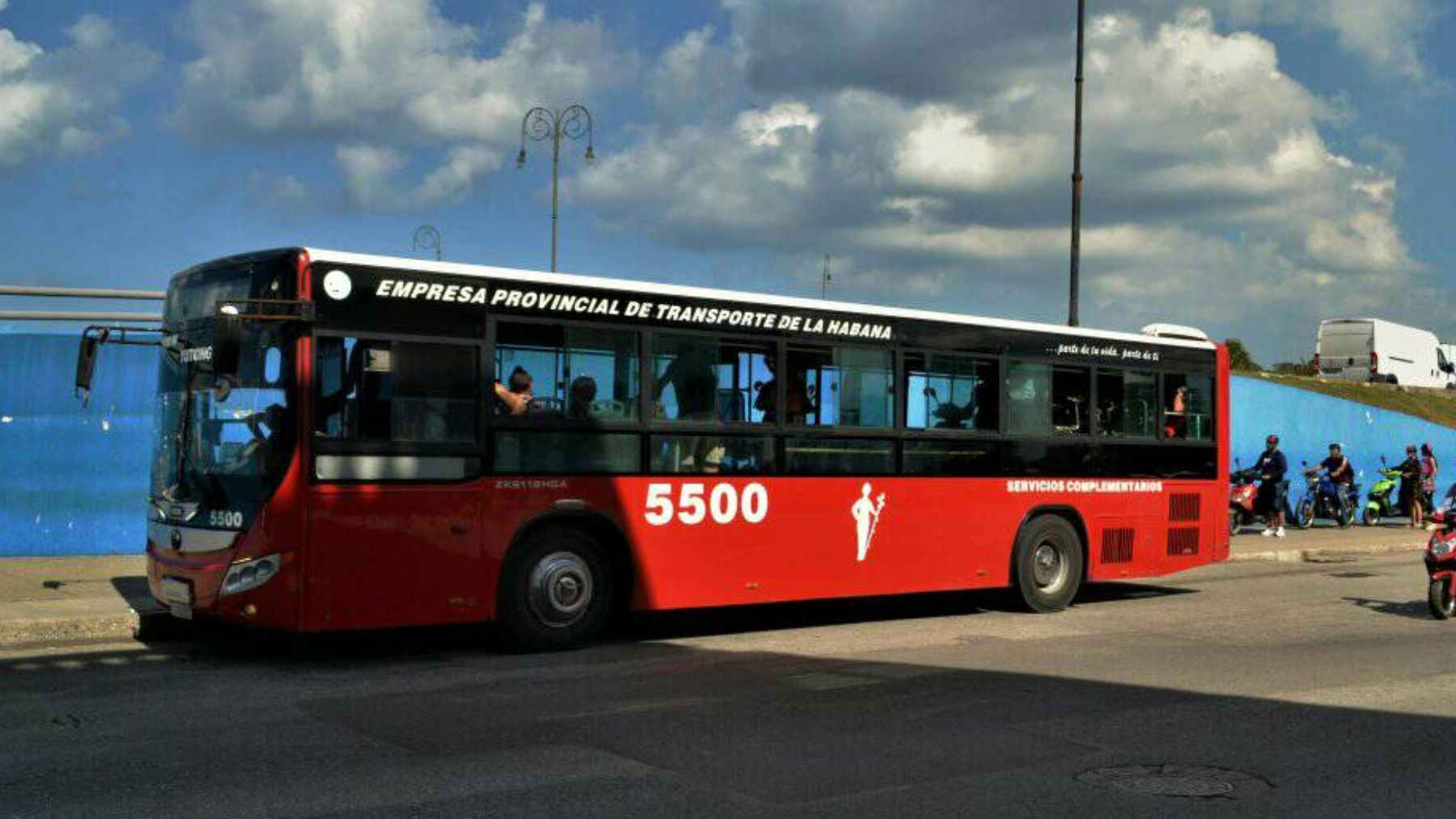
On a sticky Havana afternoon, the longest line is not for a concert or a new phone. It is for the diesel “submarine” bus locals call the Ciclobús, the only public ride that can legally carry people and their bikes, scooters, and small electric motorcycles through the tunnel under Havana Bay.
It sounds like a quirky workaround, but it is really a snapshot of a deeper emergency. Cuba’s fuel crunch is colliding with daily life, from commuting to food supply to the country’s broader electricity crisis, and it is happening at the same time Washington is tightening pressure through new oil-related measures.
A bus built for bicycles, now built for survival
The Ciclobús can carry roughly 60 passengers plus their vehicles, making enough runs to move more than 2,000 people a day. The front has seats, but much of the metal body is an open cargo section, and riders stand with their bikes and scooters the entire way, gripping support bars to stay steady.
The setting matters as much as the bus. The route cuts through the Havana Bay Tunnel, where bicycles, motorcycles, and scooters are not allowed, turning this service into a gatekeeper for workdays on the other side.
Fuel rationing turned mobility into a math problem
Cuba’s government has rationed gasoline to about 5.3 gallons per vehicle through an appointment system that can drag on for weeks or longer, according to RTVE. That is why Havana’s streets are suddenly less about cars and more about pedal power, small motors, and improvisation.
“Mi esposo tiene una bicicleta, así que voy a acompañarlo,” said Ingrid Quintana, explaining why she was waiting for the Ciclobús instead of chasing scarce transport. For many families, the choice is blunt, because a shared taxi through the tunnel can cost around $2, while monthly wages can hover near $14.
Why a 1.9-mile route suddenly matters so much
On paper, the Ciclobús is the shortest public transport route on the island. It runs about 1.9 miles in roughly 15 minutes, dropping riders into eastern Havana, a huge residential zone where hundreds of thousands of people live.
The alternative is the kind of detour anyone who has sat in traffic can picture. Instead of cutting under the bay, you have to loop around it for about 9.9 miles through industrial port areas and rough pavement, which is why this one small tunnel link has become a daily pressure valve, not unlike the mobility projects reshaping congestion elsewhere in the region such as Mexico’s Nichupté bridge.
A “Special Period” solution returns with new tech on the street
The Ciclobús was born in the 1990s during Cuba’s “Special Period,” after the collapse of the Soviet Union left the island isolated and short on fuel. Back then, the government distributed Chinese-made bicycles, and the bus helped people move across the bay when alternatives were scarce.
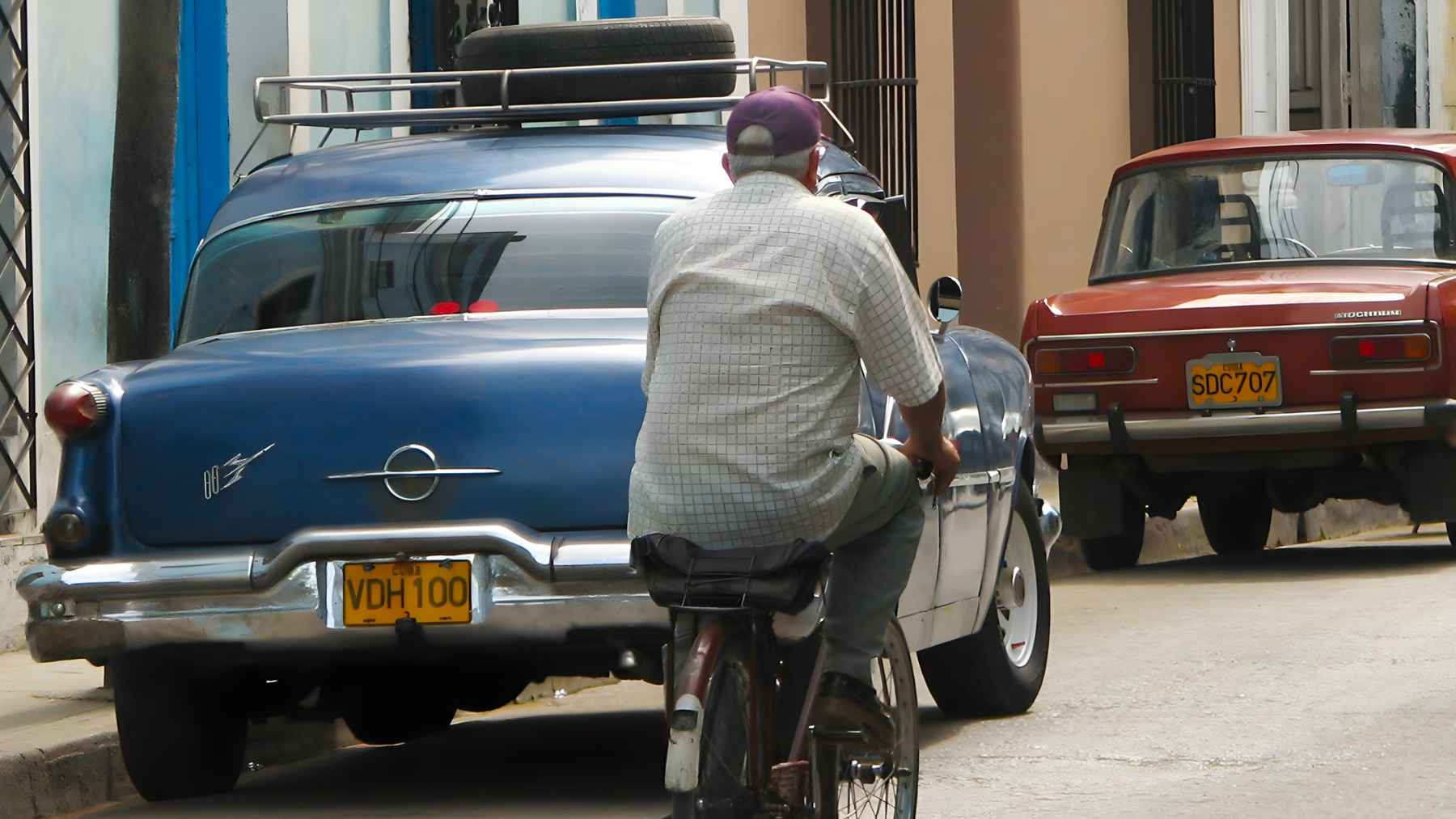
For a while, it faded as regular buses and shared taxis took over. Now it is back, but the streets have changed, with electric scooters, small e-motorcycles, and battery-powered tricycles mixing into the same survival commute, all while a broader energy shock is reminding countries how fast transport habits can snap under pressure.
Washington’s oil pressure is colliding with daily life
The fuel scarcity is not only a domestic problem. The Trump administration has framed its Cuba move as a national security response, and a White House fact sheet describes a new tariff process that can target imports from countries that “directly or indirectly” provide oil to Cuba.
In practical terms, that kind of policy does not stay in Washington. It changes the risk calculation for suppliers, shippers, and insurers, and the downstream effect shows up where most people feel it first: on the road to work, on store shelves, and in the rising sense that everyday routines are being priced like luxuries.
Cuba’s emergency measures focus on essentials, but the tradeoffs are harsh
Cuban authorities have tried to ration what remains and protect basic services, including measures that push telework and reduce physical commuting. State media has also emphasized fuel allocation for critical needs, and Granma has reported steps aimed at keeping water pumping and other essential services operating.
But anyone who has tried to work from home during outages can see the contradiction. Telework sounds neat on a government memo, yet it depends on electricity and connectivity that are not always stable, and that is why fuel policy, grid reliability, and public transport are now part of the same story.
When the grid fails, even electric scooters become fragile
Cuba’s power system has been under heavy stress, with repeated large-scale outages and daily blackouts reported in recent weeks. The human impact is straightforward, because hospitals, refrigeration, and water supply all depend on steady power, and The Guardian has described how these collapses squeeze working hours and disrupt basic services.
That is the irony of the current streetscape. Bikes and small electric vehicles look like a clean workaround, but batteries still need charging, and when both fuel and power are scarce, “alternatives” can start to feel like a revolving door.
What to watch next in Havana’s commute economy
The next signal is not a headline – it is availability. Watch whether fuel rationing eases, whether public transport frequency improves, and whether the tunnel crossing remains one of the few predictable links between where people live and where jobs actually are.
And there is a second layer that matters for business. Informal transport markets, spare parts, and charging access will keep growing in importance, the same way fuel price pressure has already been reshaping household budgets in the United States as tracked in Indux’s reporting on gasoline prices, because when energy breaks, logistics breaks right after.
The executive order was published on The White House.