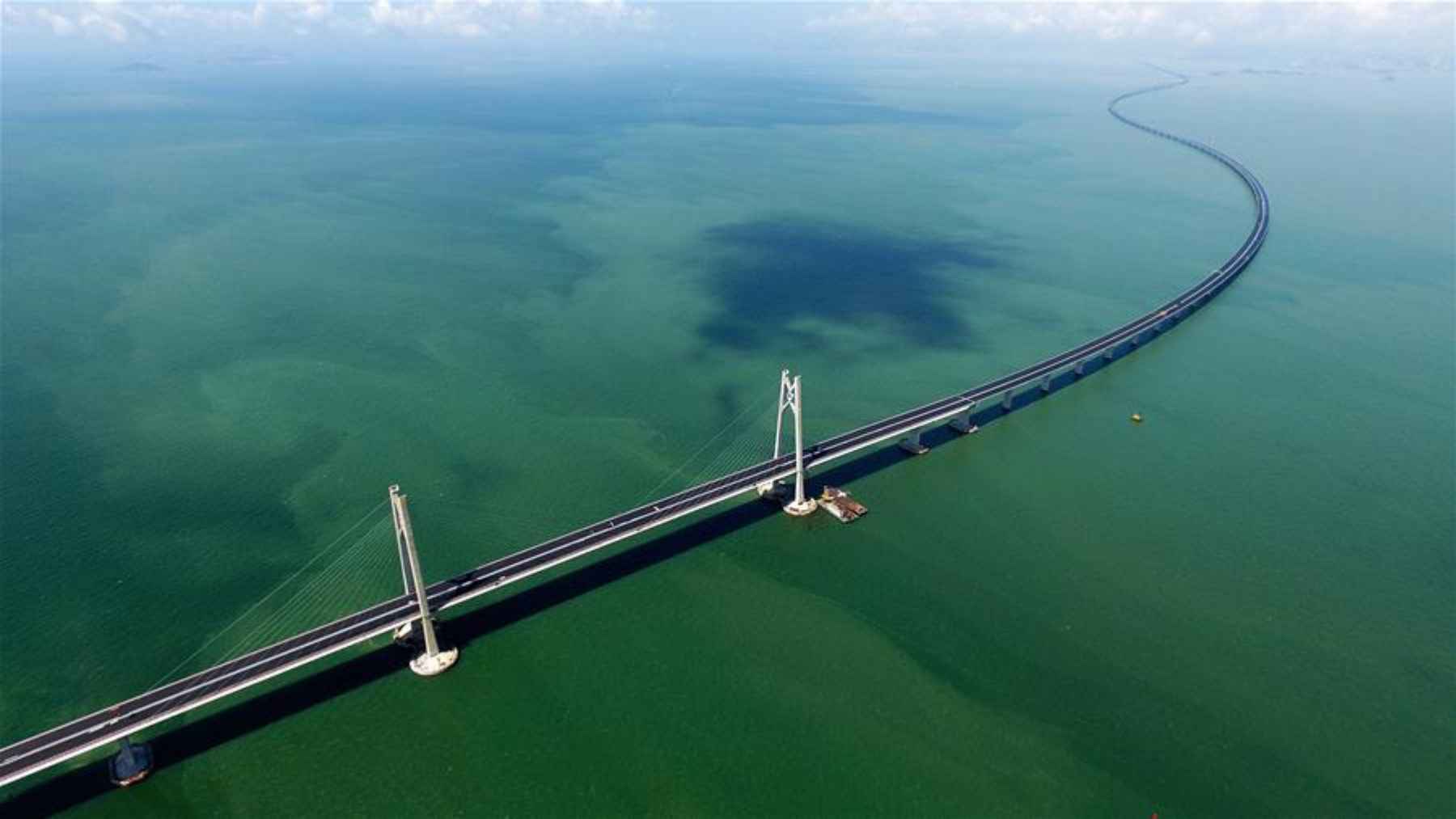
If you have ever been stuck on a bay crossing and thought, “There has to be a better way,” China just built one. The Guangdong-Hong Kong-Macao Greater Bay Area now has a new spine that connects Shenzhen and Zhongshan across open water with bridges, an undersea tunnel, and artificial islands.
The bigger point is not only that it is huge. It is that the Shenzhen-Zhongshan Link was designed like a piece of “always-on” infrastructure, where engineering, traffic management, and even public education are built into the same system. In practical terms, that means a project meant to save time is also trying to teach the public how it works.
A highway built as a system
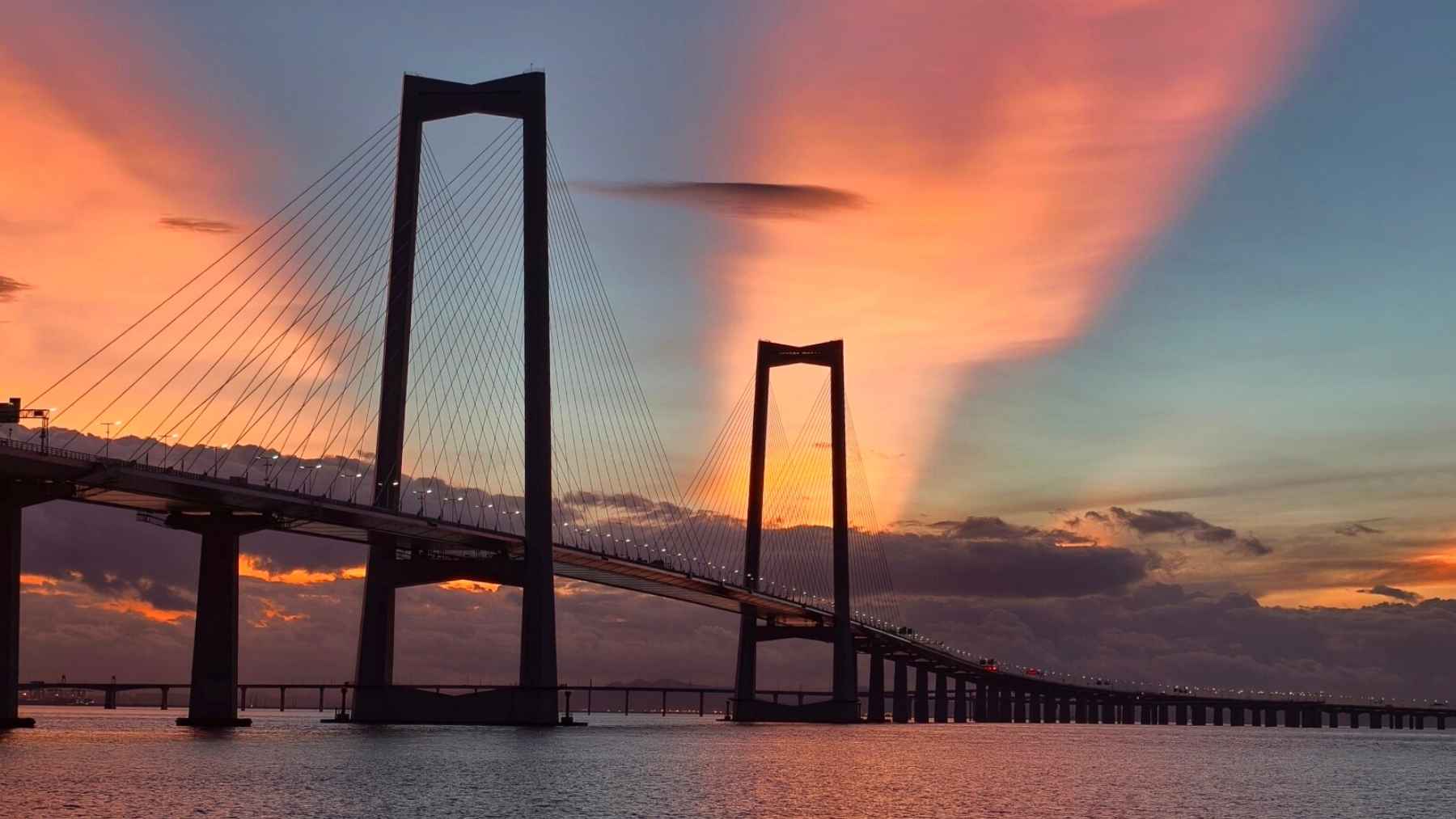
This is a 24-kilometer route (about 15 miles) over the sea, built as a cluster instead of a single structure. It combines two bridges, an undersea tunnel, two artificial islands, and an underwater interchange that feeds into the regional expressway network.
The travel-time change is the headline most drivers care about, especially anyone who has watched the clock during a long commute. Trips that used to take close to two hours can now take about 30 minutes, depending on traffic and where you start.
Even the toll tells you something about the way this corridor is being positioned. The full route is priced like a premium shortcut that is meant to be used daily by commuters, freight operators, and airport traffic, not just as a weekend novelty.
Ten records and the engineering bets
Officials and state media have leaned hard into the “record-breaking” framing, and the numbers are genuinely striking. The project is credited with 10 world records, including a fully offshore steel box girder suspension bridge with a main span of 1,666 meters (about 5,466 feet) and a navigation clearance of 91 meters (about 299 feet).
Then there is the concrete, which is where big infrastructure often hides its true scale. One bridge anchorage is listed at 344,000 cubic meters of concrete (about 12.1 million cubic feet), which is the kind of volume that stops sounding real unless you have seen a stadium being poured.
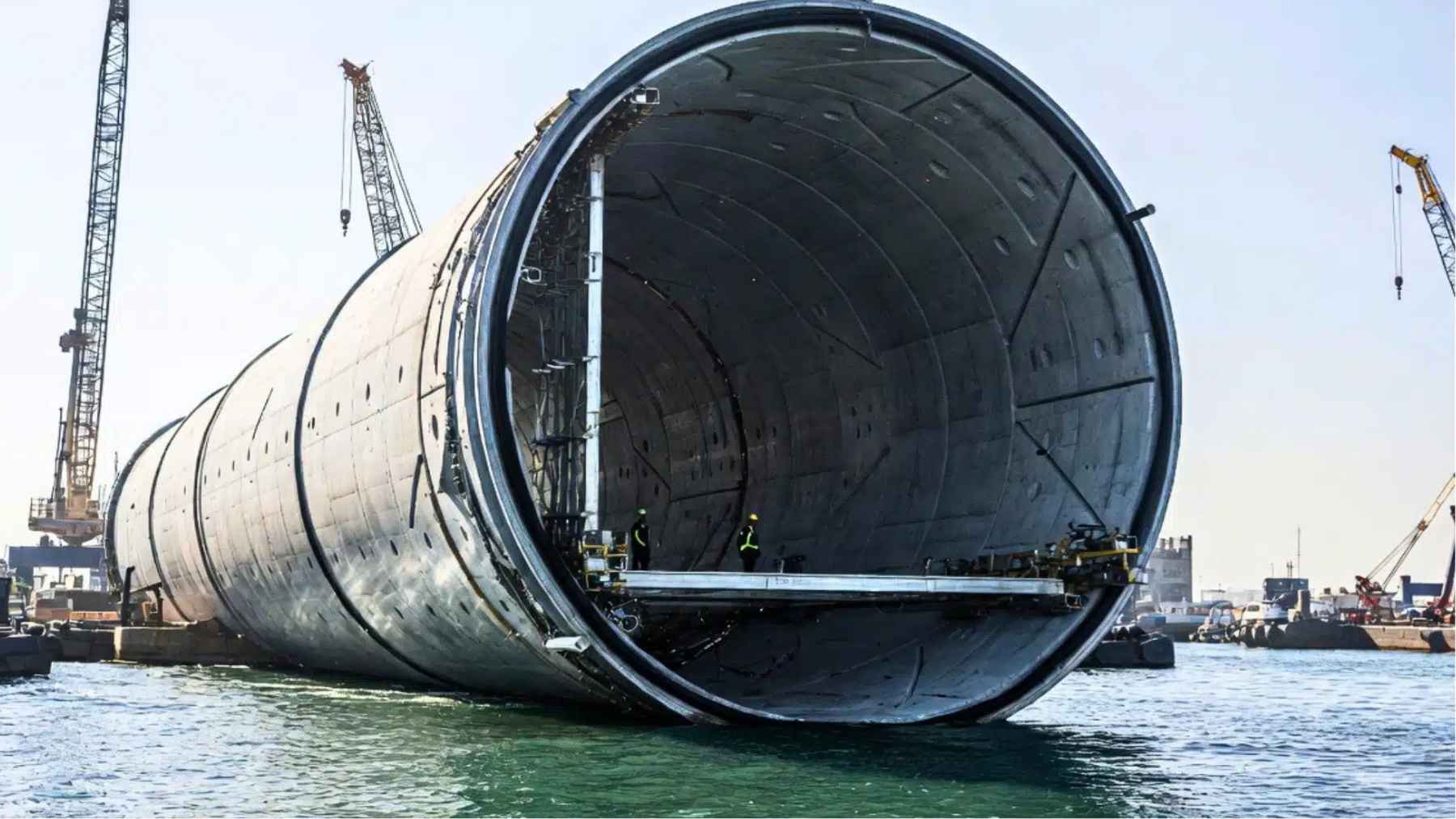
The tunnel also shows how far modern immersion techniques have been pushed. It is designed as a two-way, eight-lane immersed tube tunnel, and the specs include unusual components like a wide “M-shaped” water stop, which matters because tunnel seal performance is one of those unglamorous details that can decide how expensive maintenance becomes over decades.
Robots and real-time oversight
Here is the part that feels almost surreal if you picture it during a normal weekday drive. The tunnel uses 14 intelligent inspection robots that patrol equipment and help feed real-time information back to a control center, including during emergencies.
This kind of monitoring is not just about catching breakdowns. It is also about shaving minutes off response times when something goes wrong, because in a confined tunnel, smoke, visibility, and driver behavior can turn into a chain reaction fast.
It is also a reminder that “smart infrastructure” is no longer a buzzword reserved for futuristic renderings. Other regions are building their own versions of a smart tunnel, and the competitive edge increasingly comes from sensors, automation, and operations, not only from concrete and steel.
The business payoff in the Greater Bay Area
For businesses, the value is simple to describe and hard to replicate without building something new. When you compress travel time across a major estuary, you effectively widen labor markets, expand supplier options, and make same-day logistics easier – which is the kind of change that shows up in decisions about factories, warehouses, and offices.
That is why this corridor is often described as a backbone project for regional integration. If more people can live on one side and work on the other, and if freight can route more efficiently, the benefits spread far beyond the toll booth.
The logic is familiar in other places too, even if the politics and timelines look very different. High-capacity links that change trade patterns and commuting zones also sit behind projects like a Chinese-backed railway reboot, where the infrastructure is really a bet on faster movement of goods and people.
A museum in the middle of a megaproject
One of the most unusual choices is that this is not only a road. The Western Artificial Island is being positioned as a public-facing destination, with planned tourism access and a science base that presents the engineering story behind the corridor.
The science base is listed at 2,200 square meters (about 23,681 square feet), which is not huge by museum standards, but it is big enough to be a real stop, not a token display. It is also a telling signal that the project is being used as a showcase for national engineering capability, not just as a transportation fix.
It sounds almost strange until you think about how infrastructure is sold to the public. A museum on an artificial island turns a hard-to-see system into something people can point at, photograph, and understand, even if they never read an engineering report.
What to watch next
The near-term question is whether the link can keep operations smooth as traffic volumes rise and tourism access expands. Any mega corridor can look flawless in year one, and then run into the messy realities of wear, weather, and human behavior.
The longer-term question is what this style of infrastructure signals for other regions. When automation, monitoring, and public engagement get baked into the structure from day one, it raises expectations for what a “modern” bridge or tunnel should include.
And for anyone watching global infrastructure competition, it is another reminder that transportation is becoming a technology story too.
That same shift is visible in projects like California’s bullet train, where building the corridor is only part of the challenge and systems integration is where the hard work starts.
The official statement was published on Shenzhen Government Online.