What if the most important climate alarm is not a storm or a wildfire, but water quietly disappearing from the land itself? A July 2025 study in Science Advances found that Earth’s continents have been losing freshwater at unprecedented rates since 2002.
Using data from NASA’s GRACE and GRACE-FO satellites, researchers found drying areas expanding by about twice the size of California each year. They also found that roughly 75 percent of the world’s population lives in 101 countries that have been losing freshwater.
The study tracks “terrestrial water storage,” which includes water held in snow, ice, soil, rivers, lakes, and underground aquifers.
Here is the part that should make governments and businesses stop for a second. In non-glaciated regions, groundwater depletion accounts for 68 percent of the long-term water loss. In practical terms, that means the world is drawing down a hidden reserve that farms, factories, and fast-growing cities often treat as backup when surface water runs short.
Four big dry belts are joining up
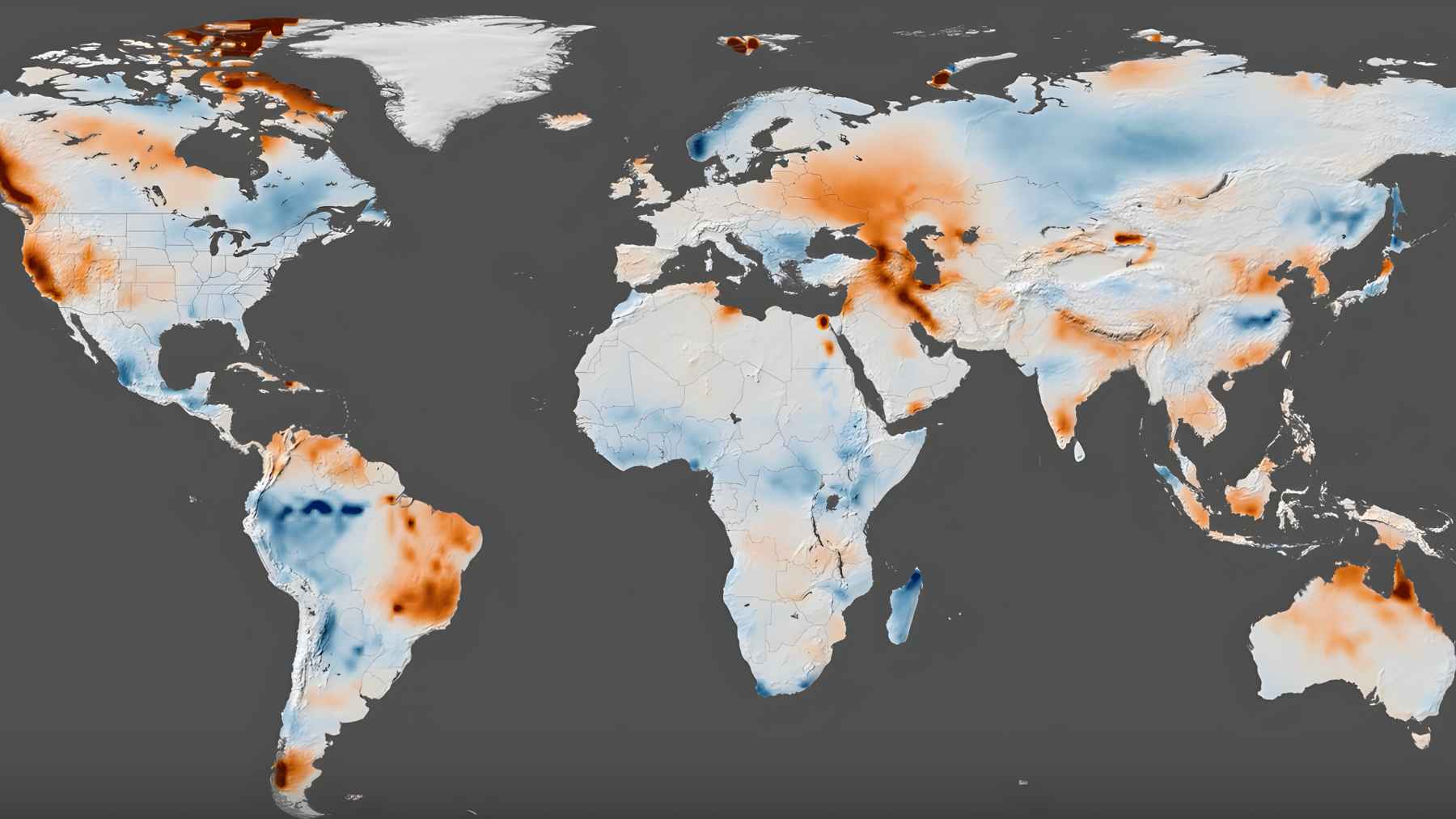
Researchers say several older drought hot spots are now linking into four Northern Hemisphere “mega-drying” regions. They stretch across northern Canada, northern Russia, southwestern North America into Central America, and a huge band running from North Africa and Europe through the Middle East and Central Asia to northern China and Southeast Asia.
Around 2014 and 2015, during powerful El Niño years, the pattern appears to have intensified. Dry places, for the most part, are now drying faster than wet places are getting wetter.
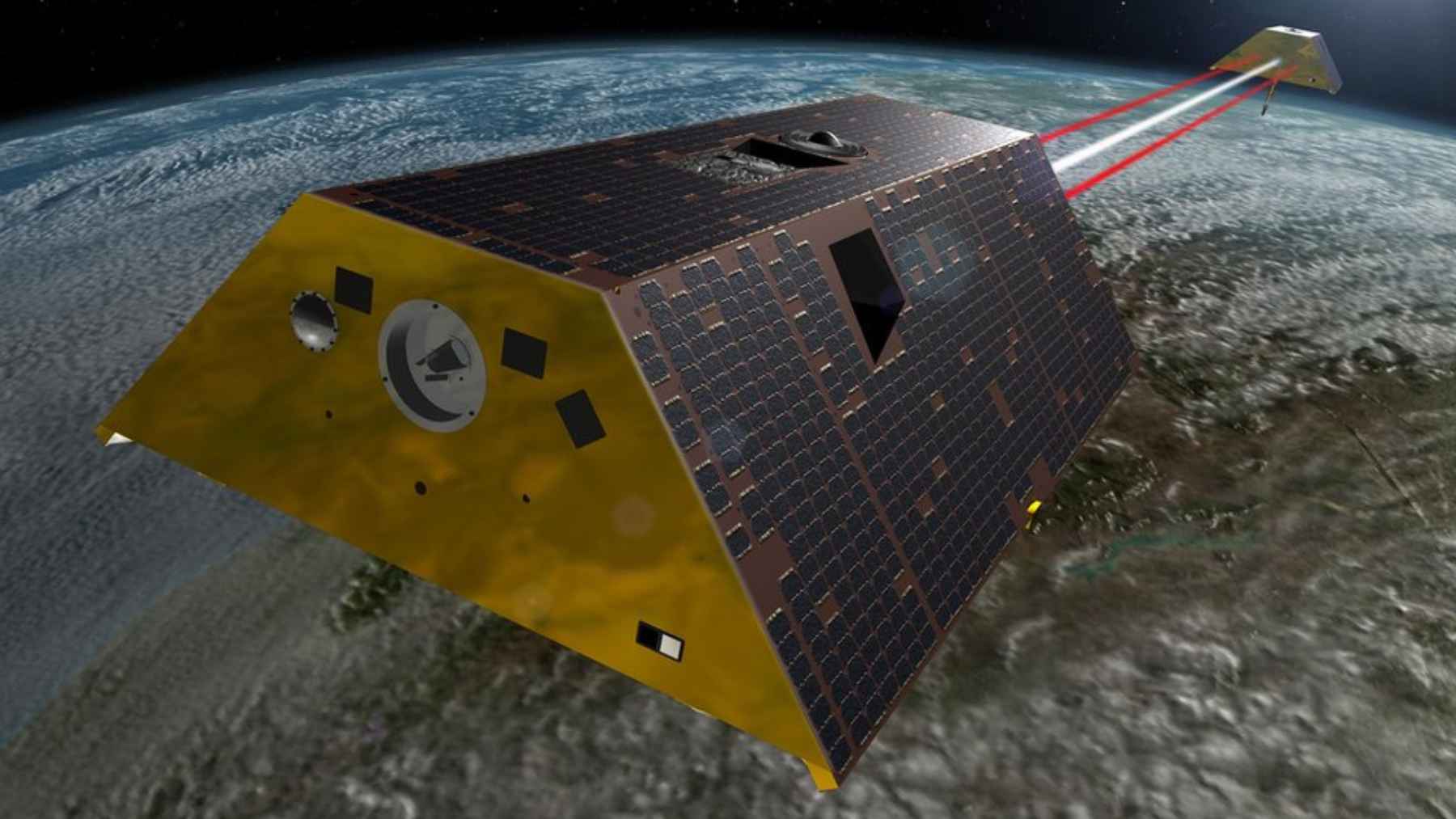
Satellite data reveals large regions of the planet losing freshwater as groundwater depletion accelerates across major continental drought belts.
Why markets and coastlines should care
This is not only an ecology story. It is also a food, infrastructure, and coastal risk story. The study found the continents now add more freshwater to sea-level rise than either Greenland or Antarctica on its own. Since 2015, land water loss has accounted for about 44 percent of mass-driven sea-level rise, ahead of Greenland at about 37 percent and Antarctica at about 19 percent.
That is a major shift. It means overpumped aquifers and worsening drought can show up far from the wellhead, from crop losses inland to more pressure on ports, insurers, and coastal communities. Even the water bill can become part of the story.
The uncomfortable point is that this crisis is only partly about weather. To a large extent, it is also about management. Groundwater can be protected, recharged, and used more carefully, but only if policy moves faster than depletion.
The study was published on Science Advances.