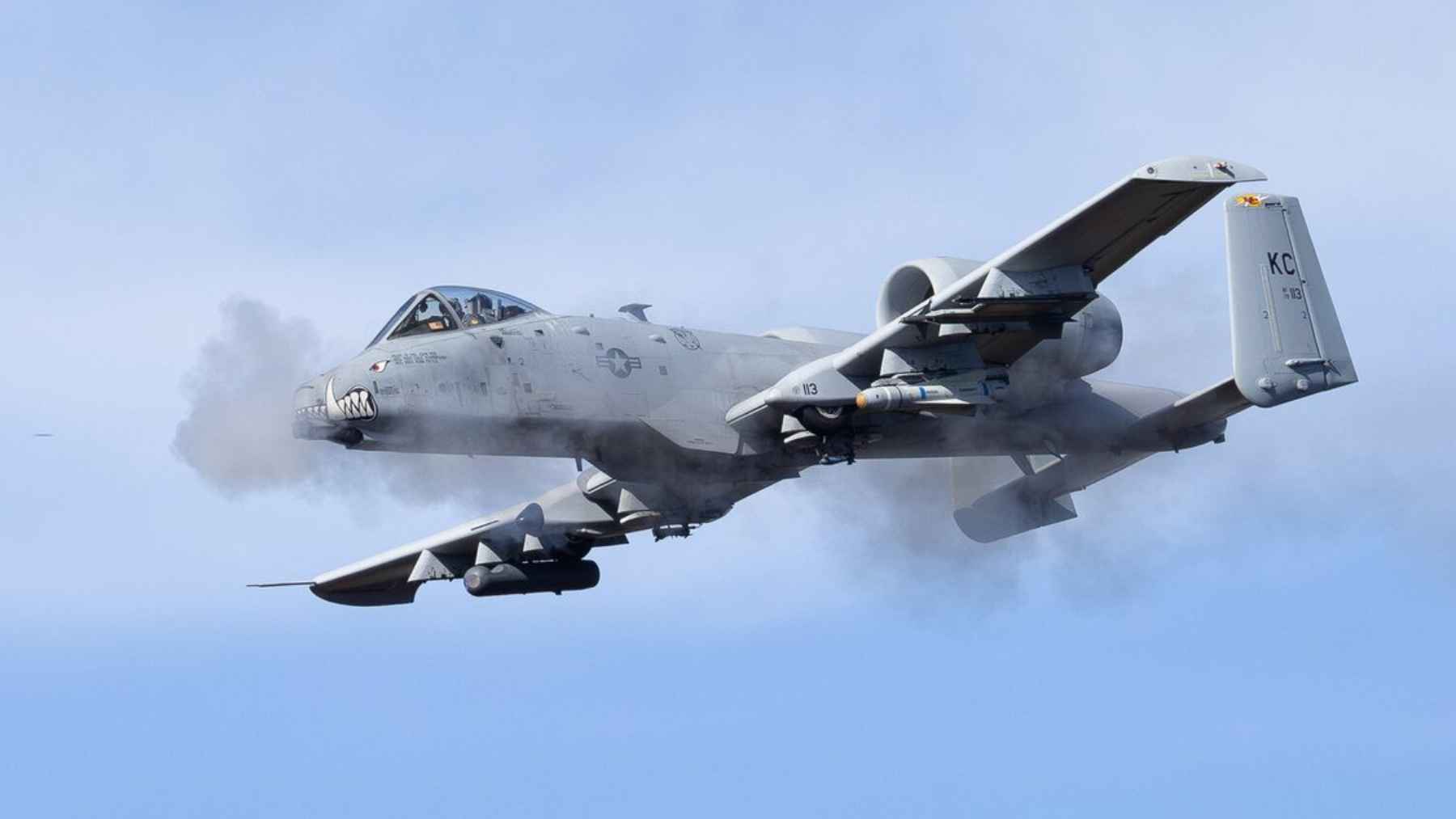
The U.S. Air Force is keeping the A-10 “Warthog” in service until 2030, again delaying the retirement of an aircraft many leaders have argued is too old and too vulnerable for future high-end wars.
Air Force Secretary Troy E. Meink said the move “preserves combat power as the Defense Industrial Base works to increase combat aircraft production.”
In practical terms, the decision is a hedge. Recent combat in the Iran conflict has reminded commanders that sometimes the mission is still low, slow, and close to the troops, even when the Pentagon is trying to pivot to a China-focused future.
A short extension with big implications
Meink’s announcement extends the Hog roughly three years beyond the Air Force’s previous plan to retire the fleet by the end of 2026. The service has already been shedding A-10 squadrons, graduated its final class of A-10 pilots at Davis-Monthan Air Force Base, and ended depot-level maintenance at Hill Air Force Base in Utah.
That wind-down was not subtle. Crew chiefs wore farewell patches, and the maintenance squadron responsible for depot work was deactivated, clear signals that the Air Force thought the A-10 chapter was nearly over. Now, at least temporarily, the book stays open.
Iran made the A-10 look useful again
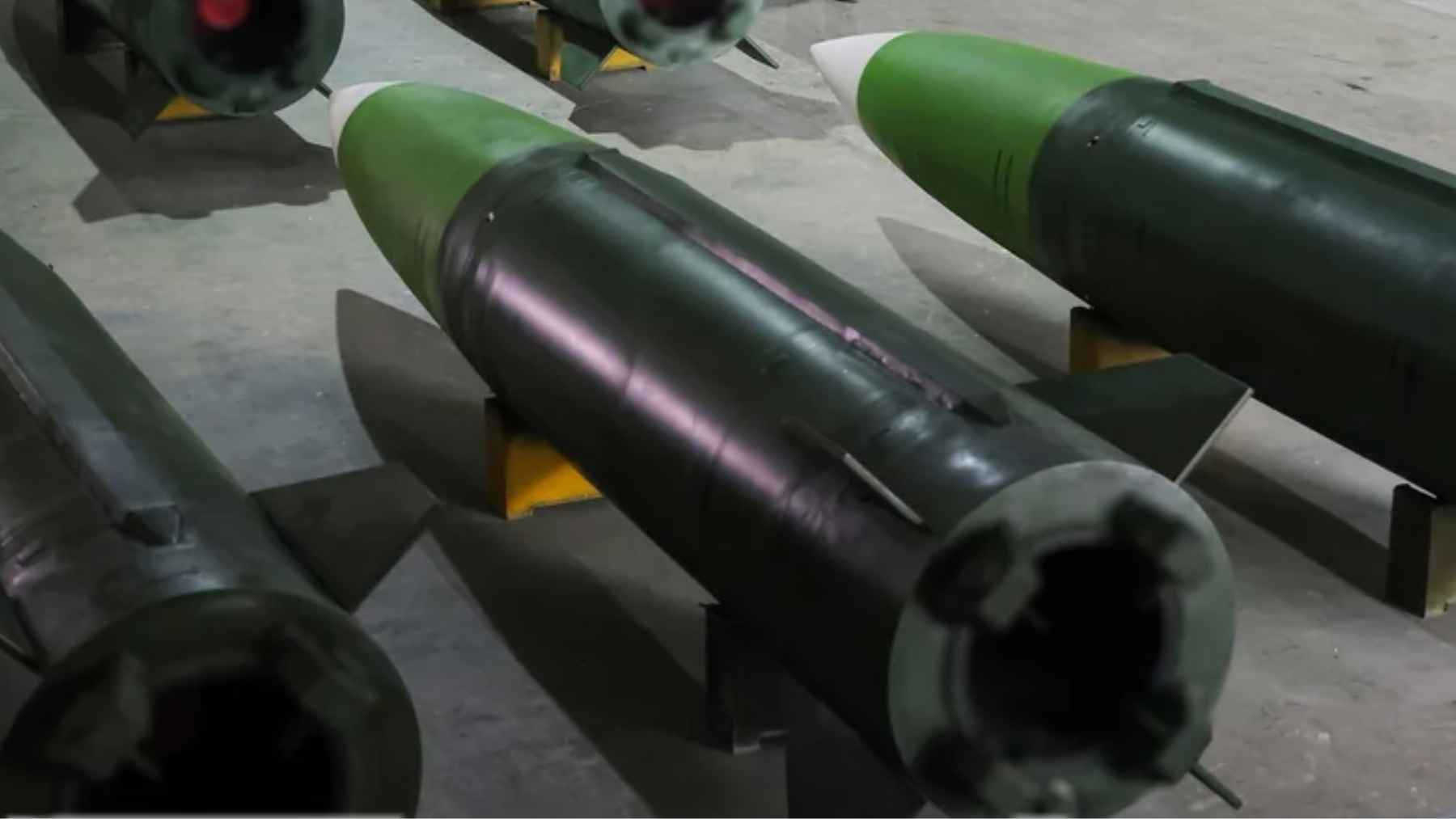
Then came March. During fighting with Iran, A-10s returned to action, using their distinctive 30 mm GAU-8/A cannon to hit Iranian fast boats in the Strait of Hormuz. It was a reminder that the A-10 is one of the few jets built for lingering over chaos, not sprinting through it.
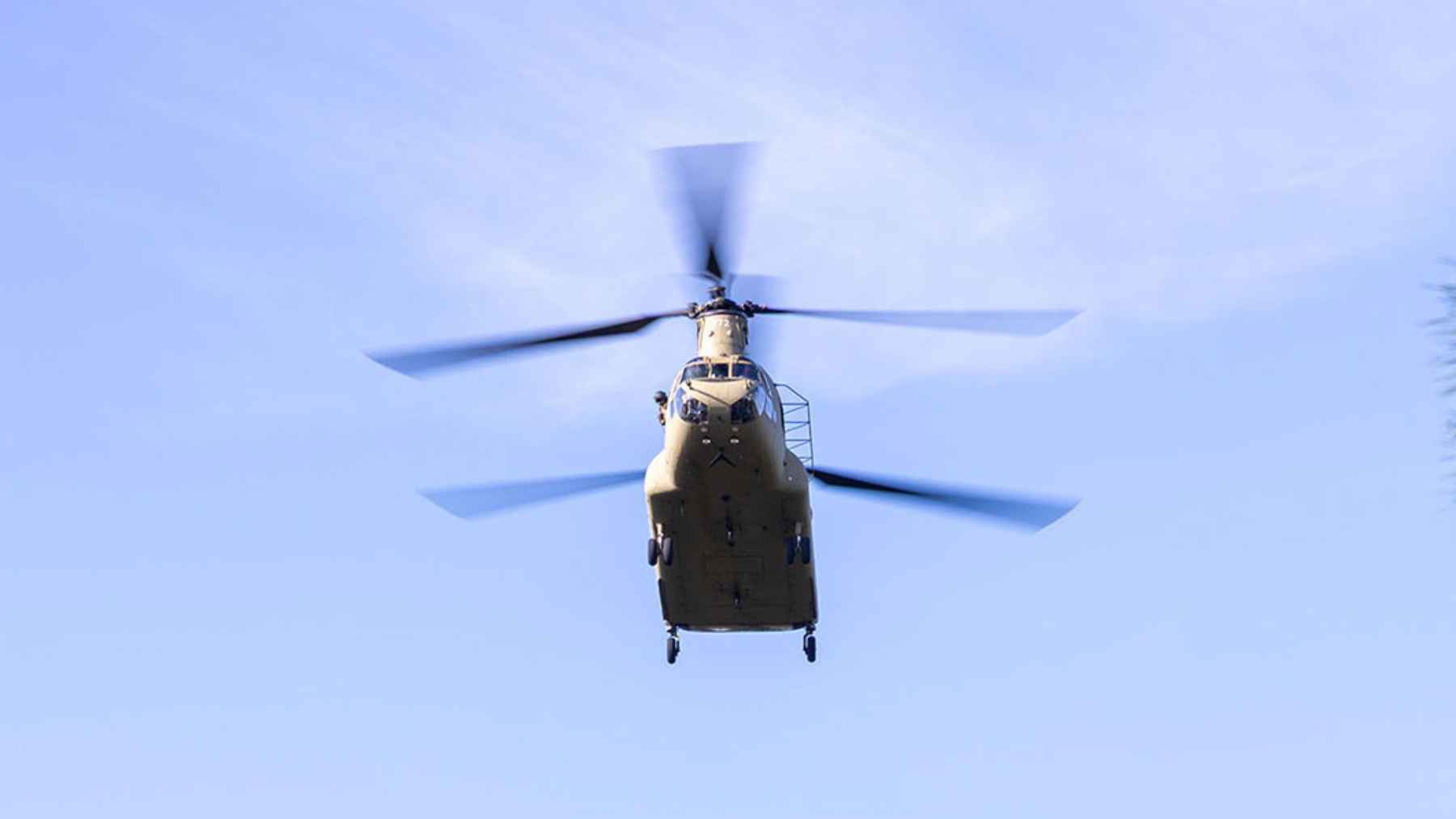
On April 3, A-10s also played a central role in a high-speed rescue mission to recover a downed F-15E pilot. Joint Chiefs Chairman Gen. Dan Caine said the A-10s were “suppressing violently the enemy and getting into a close firefight” while helicopters rushed in. One of the participating A-10s was reportedly damaged, and its pilot ejected after leaving Iranian airspace.
Defense industry bottlenecks are steering strategy
Meink’s public justification is telling because it frames the decision as an industrial problem, not a tactical one. The Air Force is essentially saying it cannot retire legacy aircraft as fast as it wants because new fighters are not arriving fast enough. That is a production and supply-chain issue, not a flightline preference.
Official budget documents back up the scale of the challenge. The Department of the Air Force says it is planning to procure 38 F-35As and 24 F-15EXs in fiscal 2027, a modest number for a service trying to replace multiple aging fleets at once. Even if those aircraft arrive on schedule, they still have to be staffed, maintained, and trained into units, and that takes time.
This is why the A-10 is hard to quit. Keeping it flying is a way to keep squadrons filled while factories and budgets catch up, and while the service tries to make newer fleets work reliably at scale, including the everyday readiness grind that comes with jets like the F-35s.
Retiring the Hog is still the long game
The Air Force has spent years arguing the A-10 is ill-suited for a fight against China, where modern air defenses could make slow, low-flying aircraft extremely risky. Former Air Force Secretary Frank Kendall summarized that logic in 2021 when he asked, “If it is not contributing against China, why are we doing it?”
But the A-10’s fans in Congress have repeatedly pushed back, and lawmakers have pointed to its continuing usefulness for close air support and combat search and rescue. The jet also carries a reputation that is hard to price, especially among troops who remember the sound of the “BRRRRT” overhead.
Still, the direction of travel has not changed. The Air Force has already stopped A-10 pilot production and has been turning maintenance capacity to other priorities, which suggests 2030 is a bridge, not a new forever plan.
What the A-10 still does better than newer jets
The A-10 was designed in the late 1970s for low-altitude attacks on armored formations, and its strengths are still specific and practical. It can loiter, take hits, and carry a heavy load on 11 hardpoints, giving commanders options when troops need immediate firepower.
Its GAU-8/A cannon fires about 3,900 rounds per minute, and the aircraft is built around that gun in a way no modern fighter really is. The point is not nostalgia, it is physics and geometry, and that difference still shows up when commanders need precision fires close to friendly forces.
That said, the A-10’s strengths come with limits. It is not stealthy, it is slower, and it needs air superiority or at least a permissive environment to operate. That is exactly why the Air Force keeps trying to move on, even while it admits it cannot move on quickly.
What to watch next
The big question now is what replaces the A-10’s mission in the years between now and full fifth and sixth-generation force structure. The Air Force has pointed to a mix of F-35s, F-15EXs, armed drones, and new weapons, but the industrial pace will decide how fast that mix becomes real.
If the Pentagon keeps leaning on the A-10 in real combat, pressure will build to keep at least some of the fleet flying beyond 2030, even as the service tries to stand up programs like the F-47 and the B-21 Raider.
In the meantime, this extension is less about nostalgia and more about a hard truth that anyone who has waited months for a backordered car part understands. You cannot retire what you cannot replace.
The official statement was published on Office of the Secretary of the Air Force on X.