Uber has spent most of its life bragging about being “asset light.” It owns the app, not the cars, and that is the whole point. Now, according to Reuters, the company is lining up more than $10 billion in spending tied to robotaxis and equity stakes, a sharp departure from the playbook that helped it scale.
The twist is that Uber is not trying to rebuild an in-house self-driving unit. Instead, it wants to be the central marketplace that stitches together many autonomous vehicle operators, while putting real capital behind the partners it thinks will win first. If you are an investor, it raises a simple question: who carries the depreciation risk if the rollout slips.
Why the asset-light model is bending
Robotaxis are finally moving from demo to early commercial scale, and the cost of waiting is rising. Uber is watching rivals build supply in key cities, and it is trying to avoid a future where the app has demand but not enough driverless cars to serve it.
The spending estimate cited by Reuters splits into two buckets, around $2.5 billion in equity stakes and more than $7.5 billion in fleet acquisition over the next several years.
That total is larger than Uber’s fiscal 2025 free cash flow, which matters because it turns a software-style marketplace into something that looks, at least partly, like a fleet business.
This is not Uber suddenly becoming a carmaker, but it is Uber accepting that autonomy is an infrastructure game. Hardware is expensive, and the winners will likely be the companies that can secure supply at the right time, in the right place, without breaking the economics.
Partnerships are the strategy
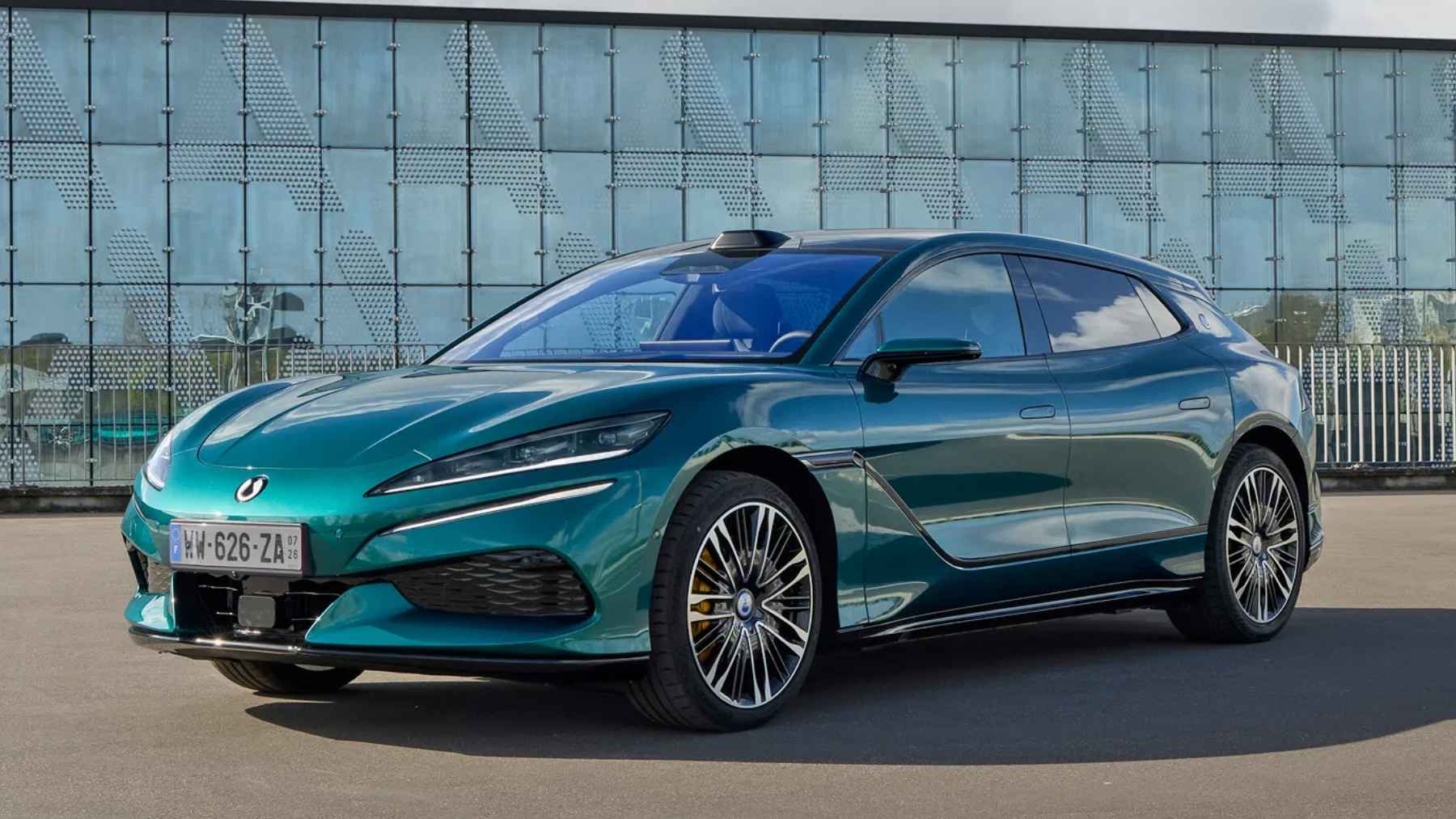
Uber is aiming to act as a hub for multiple autonomy developers rather than betting everything on a single stack. The company has lined up partnerships with companies including Baidu, Waymo, and the U.K. startup Wayve, plus automakers and EV makers like Rivian and Lucid.
To support that strategy, Uber launched Uber Autonomous Solutions in February. The unit is designed to offer partners digital infrastructure, fleet tools, and financing support that can make robotaxi operations less fragile and more repeatable.
In practical terms, Uber is trying to become the operating layer that riders see, regardless of who built the vehicle. That is appealing, but it also means Uber needs to stay credible with cities and regulators, because a single high-profile incident can slow deployments across an entire market.
The Rivian deal shows the template
The biggest single deal disclosed so far is Uber’s partnership with Rivian, which outlines an initial plan for 10,000 fully autonomous Rivian R2 robotaxis with an option to scale much higher. The first deployments are expected to begin in San Francisco and Miami in 2028, then spread to 25 cities across the United States, Canada, and Europe by 2031.
Uber’s investment is tied to performance milestones, which is a polite way of saying it wants protection if the technology timeline slips. It is a familiar structure in autonomy right now, because nobody wants to commit to fixed dates that the real world might not cooperate with.
This deal also underlines a quiet reality about autonomy: it is not just about software. It is about securing vehicles at scale, keeping them on the road, and making sure the unit economics work once the novelty wears off.
Charging is the quiet bottleneck
Even if the autonomous software works, fleets still need energy, maintenance, and a place to wait between trips. Uber has already discussed investing more than $100 million into charging hubs, and that is where the autonomy story starts to look like the power grid and the supply chain, not just an app.
The EV angle is not cosmetic. Electric fleets can reduce fuel and maintenance costs, but only if EV charging is fast and reliable, especially when vehicles are expected to run long shifts with minimal downtime.
Then there is the city side. In places like Dubai, Uber is already working with WeRide on fully driverless robotaxi operations, and those deployments depend on permits, remote support rules, and clear accountability when something goes wrong. In the real world, that paperwork can move slower than the technology.
What to watch next
Robotaxis are real, but the timeline is still uneven. According to S&P Global Mobility’s autonomy forecast, sales of Level 4 autonomous vehicles used for mobility services are expected to remain under 1% of light-vehicle sales over the next decade, even as volumes grow from fewer than 10,000 in 2025 to roughly 500,000 by 2035.
That is why Uber’s plan looks both bold and cautious. It is putting money into supply and infrastructure, but it is doing so across multiple partners, hoping diversification beats betting on a single winner.
For riders, the upside is simple: fewer gaps in service and more predictable pricing when human driver supply is tight. For investors, the key is whether these fleets can reach high utilization without turning into a cash drain, especially in a world where fleet operations and maintenance can quietly eat margins.
The press release was published on Lucid Investor Relations.