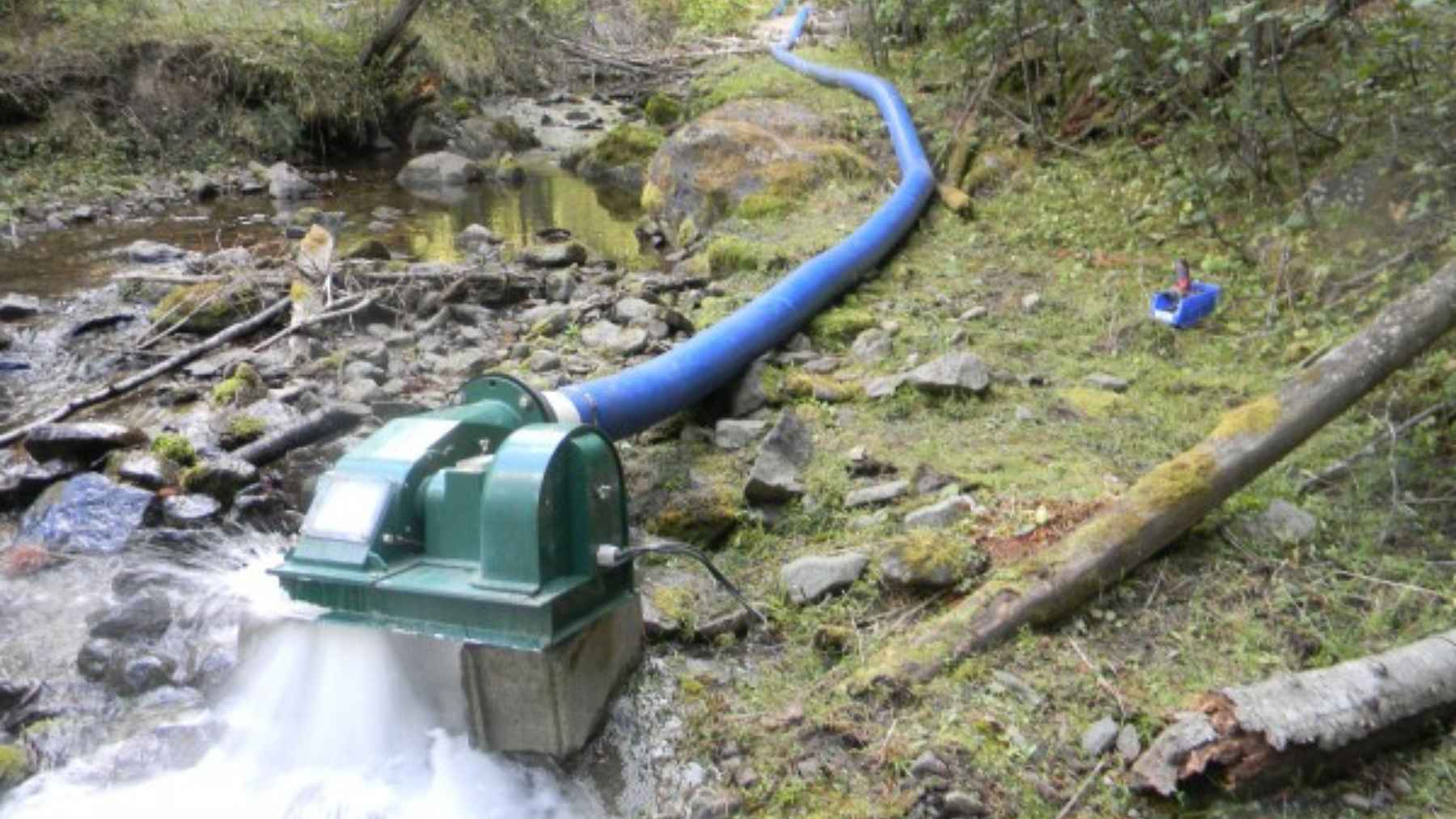
What happens when a steady stream replaces the power company for part of the day, or even all of it? That is the idea behind a homemade micro-hydropower setup that uses a brick structure, a water channel, and a turbine-generator system to produce household electricity without leaning on the traditional grid.
The build is simple in appearance, but it points to a bigger environmental story about local energy, resilience, and the limits of do-it-yourself power.
How micro-hydropower turns flowing water into electricity
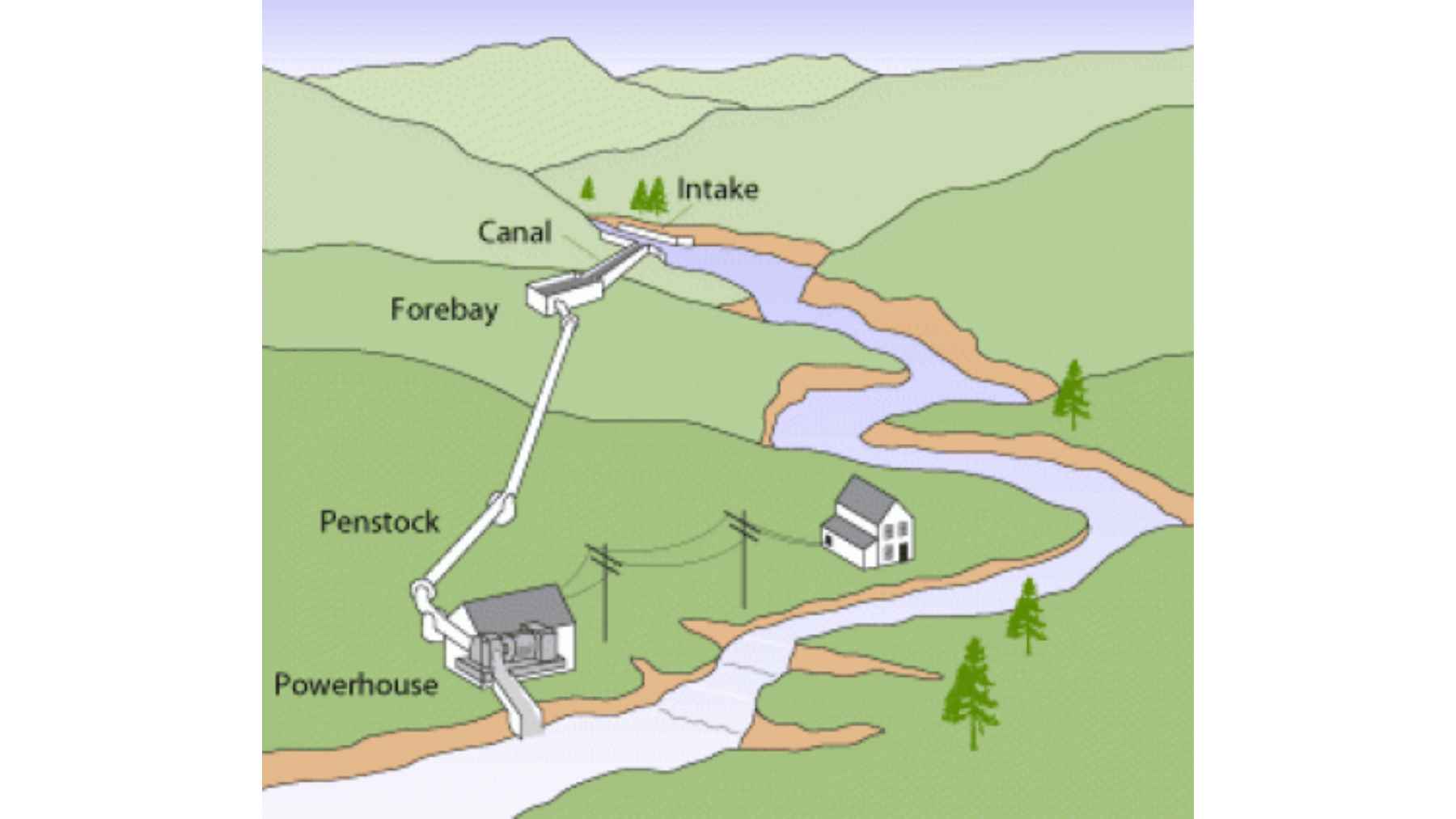
At its core, the logic is old and reliable. Flowing water is directed through a channel, the water turns a turbine, and the turbine drives a generator that makes electricity. The U.S. Department of Energy says micro-hydropower systems typically rely on the same basic parts seen in this kind of build, including water conveyance, a turbine or waterwheel, a generator, a regulator, and wiring.
In practical terms, that means a stream with enough flow can keep producing power day and night in a way that solar panels simply cannot after sunset.
Why off-grid hydropower depends on water flow and elevation
That is the appeal. Constant generation sounds great when the electric bill keeps climbing. But there is a catch. A micro-hydro system only works if the site has the right mix of flow and vertical drop, also known as head.
DOE guidance says a viable setup depends on both, and it notes that hilly or mountainous land is often best. A vertical drop of less than 2 feet will probably make a small-scale hydro system unworkable, while low-head sites generally need more water to make up the difference.
Environmental limits of small hydropower projects
The environmental angle is promising for the most part. Small hydropower can provide renewable electricity close to where it is used, which may cut reliance on fossil-fuel-heavy generation and long-distance transmission.
But water projects are never just about wires and watts. Permits, water rights, and local ecological effects still matter, especially where stream flow, habitat, or fish movement could be affected. That is why even a modest off-grid project has to be treated as more than a clever backyard fix.
Electrical safety risks in a DIY hydroelectric system
And then there is safety. A homemade system delivering household-level voltage can be useful, but it can also be dangerous if grounding, disconnects, surge protection, and proper power conditioning are missing. DOE says those protections are essential in small renewable systems to prevent damage and reduce the risk of harm to people and equipment.
So yes, the brick-and-water setup is eye-catching. But the real lesson is bigger than the viral image. Local hydropower can be a smart clean-energy option where geography allows it, though only when the engineering is as solid as the stream is steady.
The official guidance was published on Energy.gov.