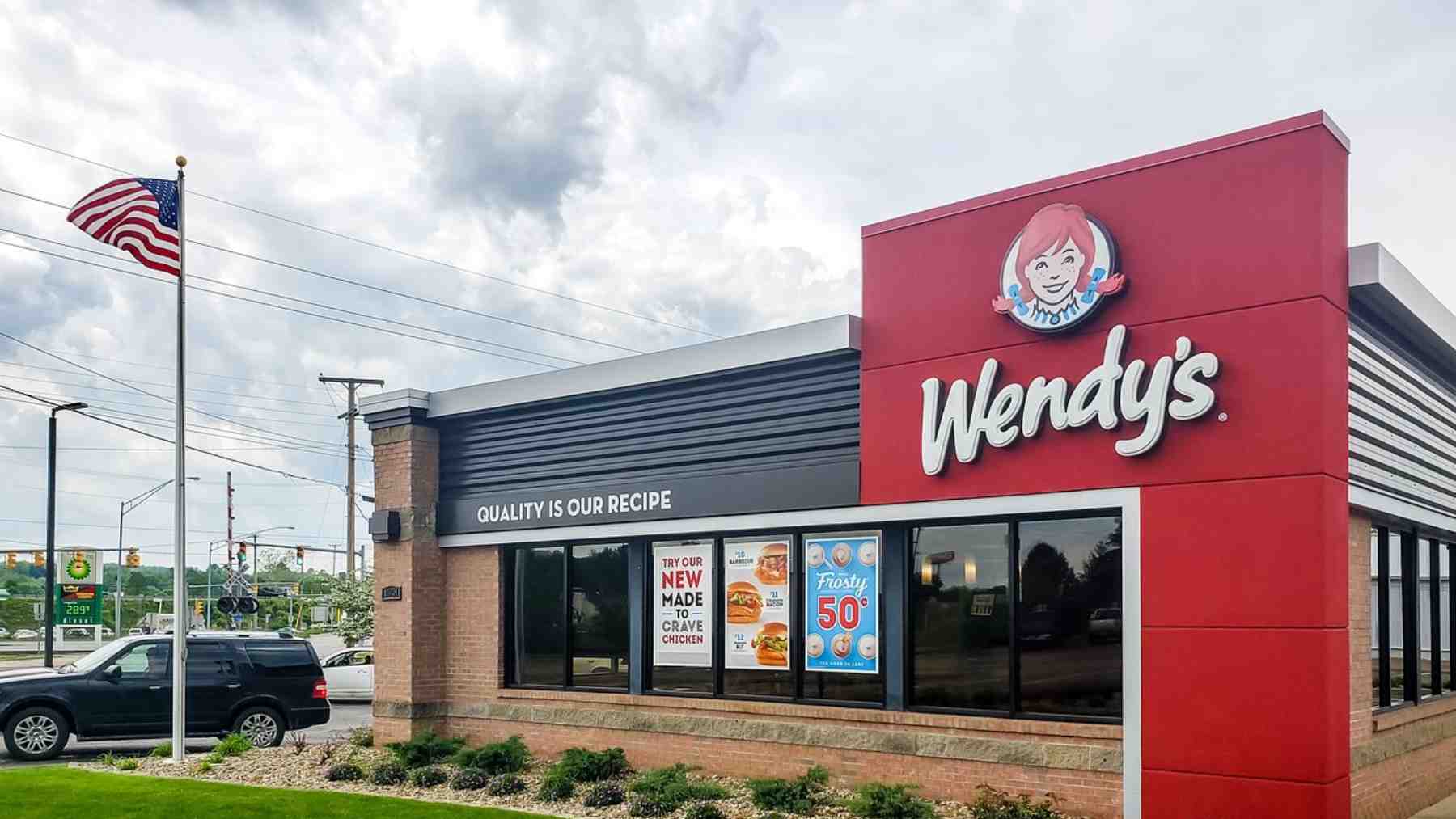
Wendy’s is about to lose roughly 300 U.S. restaurants as the fast-food slowdown and a new wave of value deals squeezes the burger chain from both ends. For a lot of people who grew up spotting the familiar red-haired logo next to the highway, that means one more empty storefront on the commute and one less place to grab a quick burger after a long shift. It also says a lot about how fragile the business of cheap meals has become.
What Wendy’s is closing and why it matters
The closures, which represent a mid-single-digit percentage of Wendy’s roughly 6,000 U.S. locations, were flagged to investors on a recent earnings call as part of a broader “system optimization” effort. Interim CEO Ken Cook told analysts that underperforming restaurants will be shuttered so franchisees can focus on stronger stores and improve overall profitability, a strategy echoed in reports from industry outlets and business press that have tracked the company’s remarks to Wall Street and regulators in recent months.
Those plans line up with data from Wendy’s own investor disclosures, which show that U.S. same-restaurant sales fell by more than 10 percent in the fourth quarter of 2025 even as total systemwide sales still topped $14 billion worldwide, with growth driven largely by international markets and new openings abroad.
Inflation and the new price sensitivity at the counter
To understand why a chain as established as Wendy’s is suddenly pulling back, it helps to zoom out a little. The “burger wars” (a term that covers everything from price fights to cheeky marketing campaigns across fast-food brands) have always been intense, but the last few years have added a new layer of pressure.
Inflation has cooled from its peak, yet menu prices at restaurants are still rising faster than groceries, according to updated figures from the U.S. Department of Agriculture’s Economic Research Service, which tracks food-at-home and food-away-from-home costs.
In 2024 and 2025, the agency’s food-price outlook showed restaurant prices climbing several percentage points a year, outpacing long-term averages and leaving many households more cautious about what they order when they eat out.
What restaurant operators are dealing with behind the scenes
At the same time, the people running restaurants are facing their own sticker shock. A 2025 “Midyear State of the Restaurant Industry” survey by software provider Restaurant365 found that more than 80 percent of operators experiencing labor cost increases saw jumps between 1 percent and 5 percent, while another group reported significantly higher spikes.
More than 90 percent said food costs rose as well, confirming that the inflation they feared at the start of the year had fully arrived in their invoices. That combination has pushed many brands to raise prices, cut portions, or chase efficiency wherever they can.
How casual dining is stealing the value conversation
Wendy’s, which has historically billed itself as a slightly higher-quality alternative to value-focused rivals, is now caught in a tight spot. For decades, it carved out space between McDonald’s and Burger King by leaning on fresh beef messaging, made-to-order sandwiches, and a menu that nudged a bit more upscale than the cheapest drive-thru options. That positioning worked when many families were willing to pay a little extra for what they saw as better ingredients.
Today, that “better but pricier” slot in the market is harder to defend. On one side, grocery stores and home cooking have become more attractive again as people look for ways to stretch paychecks that are being squeezed by rent, car payments, and medical bills. On the other side, casual dining chains like Chili’s are moving aggressively into burger territory with offers that feel, at least on paper, like more food for not much more money.
Chili’s “3 for Me” deal is a good example. For as little as $10.99, diners can get an appetizer, beverage, and full entrée in a sit-down setting. The chain even leans into direct comparison in its marketing, claiming that its Big QP burger has significantly more beef than a McDonald’s Quarter Pounder with Cheese and using that as a way to hammer home the idea of better value.
When a casual restaurant can undercut or match a fast-food combo on price, it changes how people think about where to spend that last bit of their weekly eating-out budget.
Foot traffic numbers reflect that shift. Location analytics firm Placer.ai has reported mid-double-digit gains in visits to Chili’s locations year over year, crediting its steady emphasis on value menus and bundled pricing. Wendy’s, by contrast, has seen U.S. visits slide, with some months in 2025 posting high single-digit or low double-digit declines in same-store traffic compared with the previous year.
For franchisees that borrowed heavily to remodel dining rooms or add digital ordering equipment, that kind of drop can quickly turn a previously solid store into one that barely breaks even.
What the data looks like in real life
Behind those statistics are very familiar scenes. A family looking at the total on a drive-thru screen and quietly editing their order. A worker deciding that the burger they used to grab twice a week is now a once-in-a-while treat.
A franchise owner staring at a spreadsheet late at night and trying to decide whether to renew a lease or walk away from a corner they have held for twenty years. None of this happens in a vacuum; it moves with broader patterns in wages, interest rates, and how comfortable people feel about the future.
The “prune to grow” strategy and what Wendy’s hopes happens next
Wendy’s leadership argues that closing weaker stores can actually help the brand in the long run. The logic is that by trimming units with chronically low sales or poor locations, the company can boost average volumes at remaining restaurants, free up capital for remodels and kitchen upgrades, and support new menu strategies such as refreshed value offerings without spreading marketing dollars too thin.
Similar “prune to grow” strategies have played out at other large chains, from full-service diners to pizza delivery giants, as they try to balance investor expectations with on-the-ground realities.
The local impact of restaurant closures
Still, store closures are rarely just a line on a corporate slide deck. Each one means lost jobs, longer drives for some regulars, and another darkened sign in a shopping center that may already be feeling the strain of retail consolidation.
For communities in smaller towns, losing a major chain can also mean fewer sponsorships for local teams or fundraisers, since those restaurants often double as informal gathering spots and minor economic anchors.
What this says about fast food in 2026
There is also the question of what this says about fast food more broadly. To a large extent, the industry is being pulled in two directions at once. Customers want the convenience and comfort of quick meals but are increasingly sensitive to price and more vocal about quality.
Operators want to keep prices low enough to drive traffic but face higher wages, ingredient costs, and energy bills in the background. Digital ordering, delivery apps, and loyalty programs can help, yet they bring their own fees and technology investments.
Some analysts believe the current shakeout will leave the biggest players stronger, with chains like Wendy’s using this “rebuilding year” to simplify menus, refocus marketing, and double down on core items while exiting marginal locations.
Others warn that if the perceived gap between what you pay and what you get keeps widening, more people will simply opt out of fast food altogether in favor of cooking at home or chasing the occasional sit-down deal that feels like a better splurge.
What customers will notice first
For everyday customers, the immediate impact will be more practical. You may notice that the Wendy’s around the corner suddenly has a “closed permanently” sign and that workers you saw every week are now at another location a few miles away. You might see new value bundles pop up on menu boards across rival brands as they respond to the same pressures and try to hold onto budget-conscious diners.
And you will almost certainly keep seeing headlines about restaurant closures, restructurings, and “optimization” plans as the sector continues to adjust.
The bigger takeaway
In the end, the quiet disappearance of hundreds of Wendy’s locations is a reminder that even seemingly permanent fixtures of the American fast-food landscape are more fragile than they look. It speaks to how quickly customer habits can shift when prices rise, how hard it is for chains to keep everyone happy, and how every dollar on al unch receipt is now weighed a little more carefully than before.
The official statement was published on The Wendy’s Company.