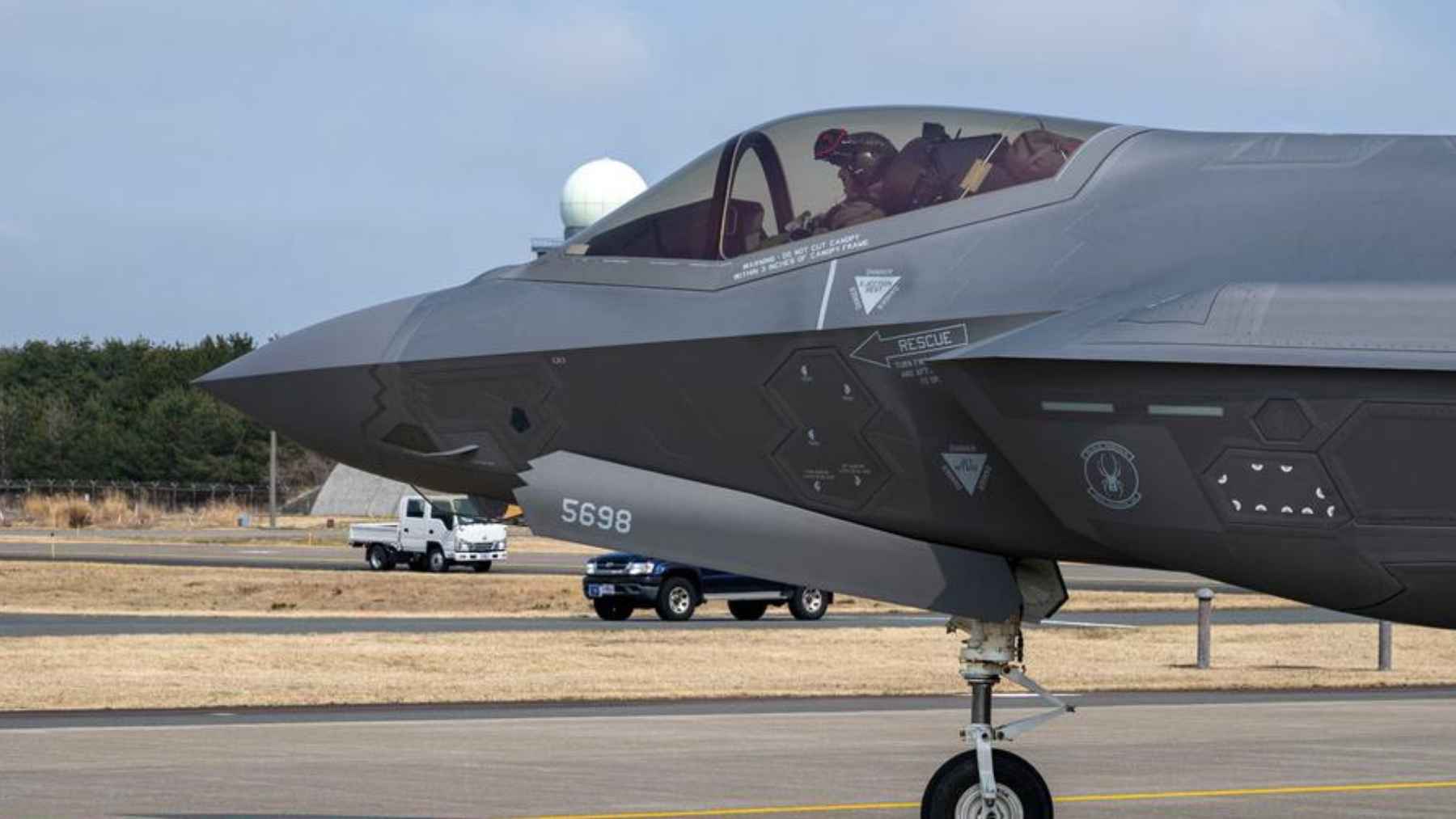
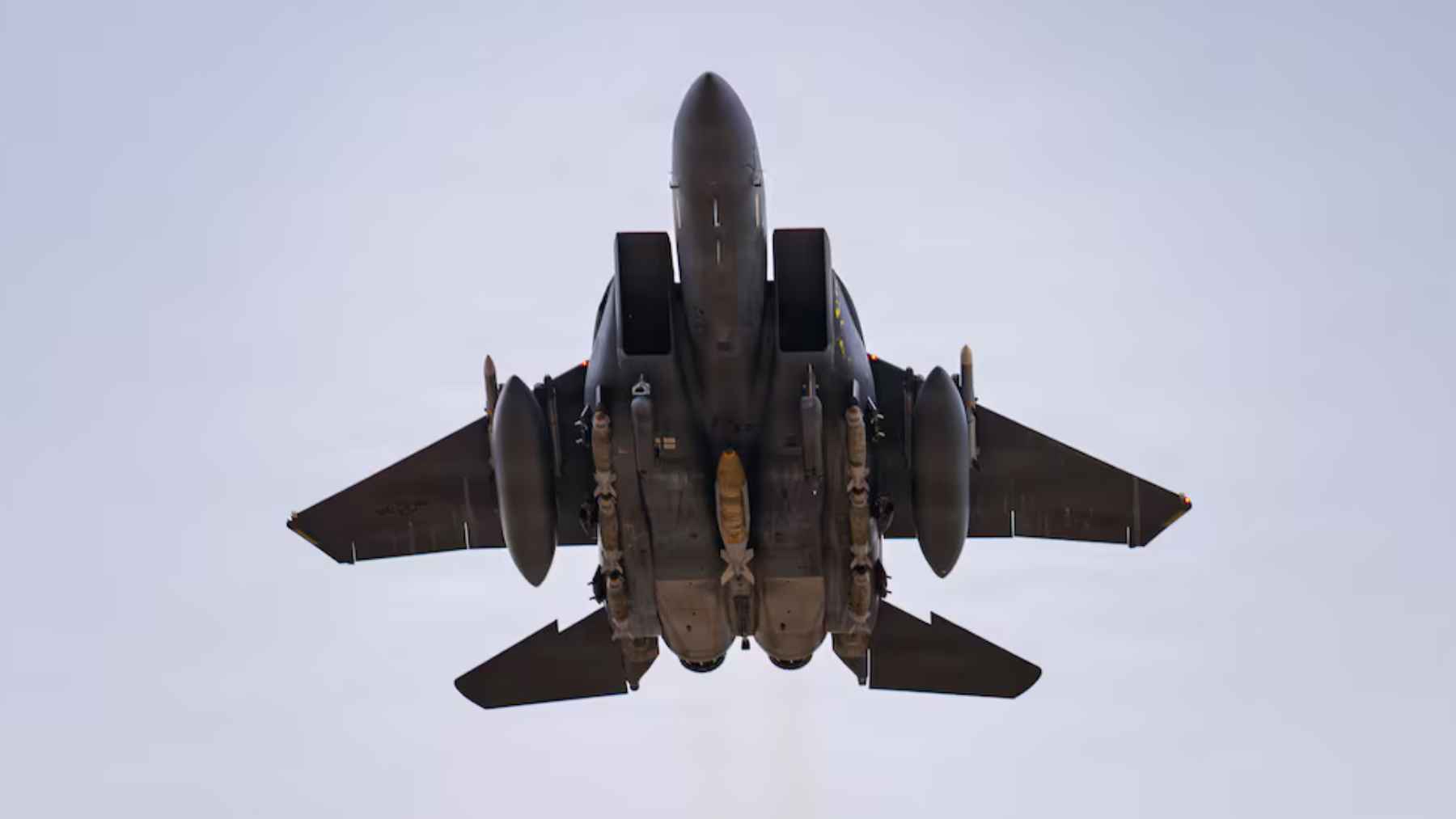
If you watched the headlines about U.S. forces pulling two airmen out of Iran after their F-15E went down, the scale probably jumped out first. U.S. Central Command confirmed the jet was shot down during a combat mission and that the two Americans were recovered in separate rescue efforts.
So why gamble so much for two people, even when the risks include losing aircraft and exposing more troops to danger? The short answer is that combat search and rescue is not just a moral vow – it is also a strategic tool. And this latest rescue is a reminder that in modern war, that tool runs on expensive technology, careful deception, and a lot of moving pieces.
The promise that holds the force together
Inside the military, the idea that “someone is coming for you” is not a slogan you slap on a poster. It is part of what convinces people to fly into contested airspace in the first place, especially when a single mistake can end with a parachute and a hostile landscape below.
That is also why presidents lean so hard on the “leave no American behind” line in moments like this. In the recent Iran rescues, President Donald Trump publicly framed the decision as risky but necessary, and described how quickly the operation could have gone wrong.
Captivity is a battlefield of its own
There is a darker logic, too. A captured aviator is not just a prisoner – they can become an intelligence target and a propaganda asset, especially when the conflict is being broadcast in real time.
That risk grows with how modern air forces operate. Aircrew can carry mission knowledge, tactics, and technical details that adversaries would love to exploit, even if the most sensitive data is protected. The incentive to prevent an interrogation, or a filmed “confession,” is one reason the U.S. treats downed aircrew recovery as urgent rather than optional.
Rescue now runs on tech, not just bravery
Old movies make rescues look like a helicopter and a lucky break. In reality, today’s recoveries are a race to find a person before the other side does, and that race depends on comms, sensors, and authentication methods that work under stress.
One system at the center of that picture is the Combat Survivor Evader Locator (CSEL). The U.S. Navy’s acquisition arm describes it as a joint replacement for earlier rescue radios, built for secure two-way over-the-horizon communications and precise military GPS that supports personnel recovery operations.
The pickup itself also reflects years of investment. The Air Force’s HH-60W Jolly Green II is designed for recovering isolated personnel in hostile or denied territory, and its fact sheet highlights survivability and connectivity features like warning receivers, missile warning, chaff and flares, armor, and Link 16 networking.
In practical terms, that means rescuers are trying to fight with information, not just courage.
The business math behind the heart
There is a very unromantic reality sitting underneath the vow. Training and keeping aircrew is expensive, and losing a seasoned crew member can mean losing years of experience you cannot quickly replace.
RAND, looking at the economics of pilot retention, estimated that training a basic qualified fighter pilot can cost about $5.6 million for an F-16 pilot and about $10.9 million for an F-22 pilot, in addition to the long runway of experience-building that follows.
RAND’s analysis also argues that retaining pilots can be more cost-effective than simply trying to train your way out of shortages.
Now zoom out to the rescue enterprise itself. A Pentagon acquisition report for the HH-60W program lists a total acquisition estimate of roughly $8.6 billion (then-year dollars) and an average procurement unit cost of about $72.7 million (constant 2023 dollars), with long-term operating and support costs estimated far higher over the life of the fleet.
That is real money, which is why the argument over “niche capability” funding never really goes away.
A capability under budget pressure
If this all sounds ironclad, here is the catch. The same Air Force that celebrates “That Others May Live” has also spent years debating how much classic helicopter-based rescue works in the Pacific, where distances are vast and air defenses can be brutal.
Budget choices show that tension. In 2022, Breaking Defense reported the Air Force planned to cap HH-60W procurement well below earlier plans, citing concerns about future threat environments, even as critics warned that reducing the fleet could leave fewer dedicated rescue helicopters than the Air Force already operated.
Other reporting has pointed to the same strategic dilemma in blunter terms. The War Zone highlighted Air Force comments suggesting the HH-60W would not be “particularly helpful” in a China fight, pushing planners to look for nontraditional options for recovering downed aircrew in heavily contested areas.
That is the uncomfortable question hanging over every “leave no American behind” promise when the next war could be bigger and faster than the last.
The shadow of Desert One
Iran is not a random setting for this debate. The U.S. military’s institutional memory still carries the scars of Operation Eagle Claw in 1980, the failed attempt to rescue American hostages in Tehran that ended with a collision, explosions, and eight U.S. service members killed, then a global broadcast of wreckage at “Desert One.”
That history matters because modern rescues are planned with an almost obsessive focus on joint coordination, communications, and what happens if things break.
Reuters reported that the recent Iran rescue effort faced a serious setback when MC-130 aircraft became disabled, forcing hard choices and the destruction of stranded equipment so sensitive technology would not be compromised. Sometimes the rescue is not just about getting people out – it is also about making sure nothing else gets left behind.
What to watch next
This week’s rescue success will be used as proof that the U.S. can still reach deep into hostile territory and pull its people back. It also shows how many aircraft and how much orchestration it can take, including deception efforts and layered protection overhead, to keep that promise in a modern fight.
For readers trying to understand what comes next, keep an eye on the practical follow-through. Will the U.S. double down on classic rescue forces, or invest more in longer-range concepts, better networking, and new ways to locate and extract isolated personnel when helicopters are simply too slow or too exposed?
The promise is emotional, but the solution is going to be technical and budget-driven.
The official press release was published on U.S. Central Command’s website.