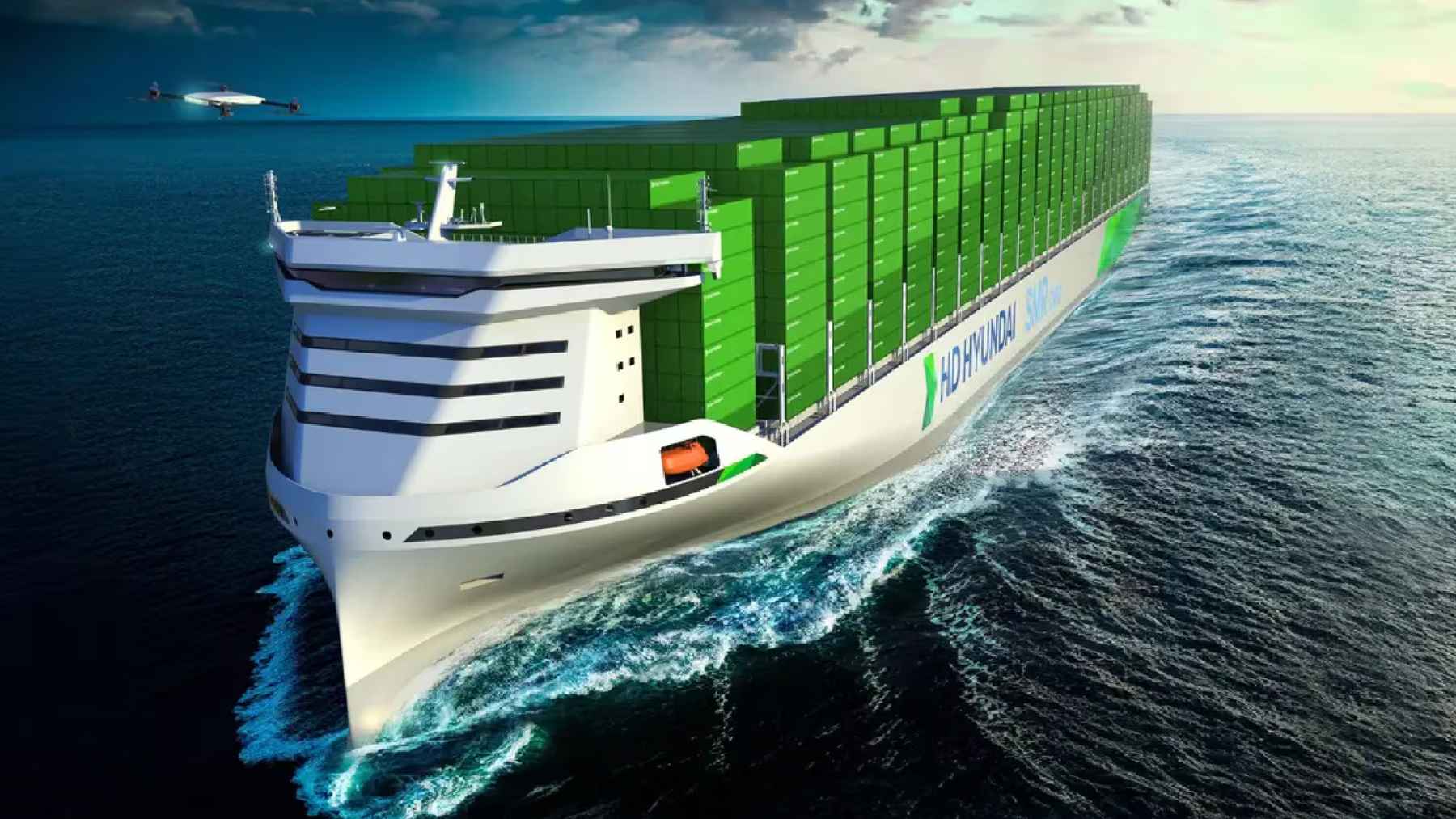
A nuclear-powered container ship still sounds like something out of tomorrow’s headlines. But on March 9, HD Hyundai and the American Bureau of Shipping moved that idea a little closer to the real world.
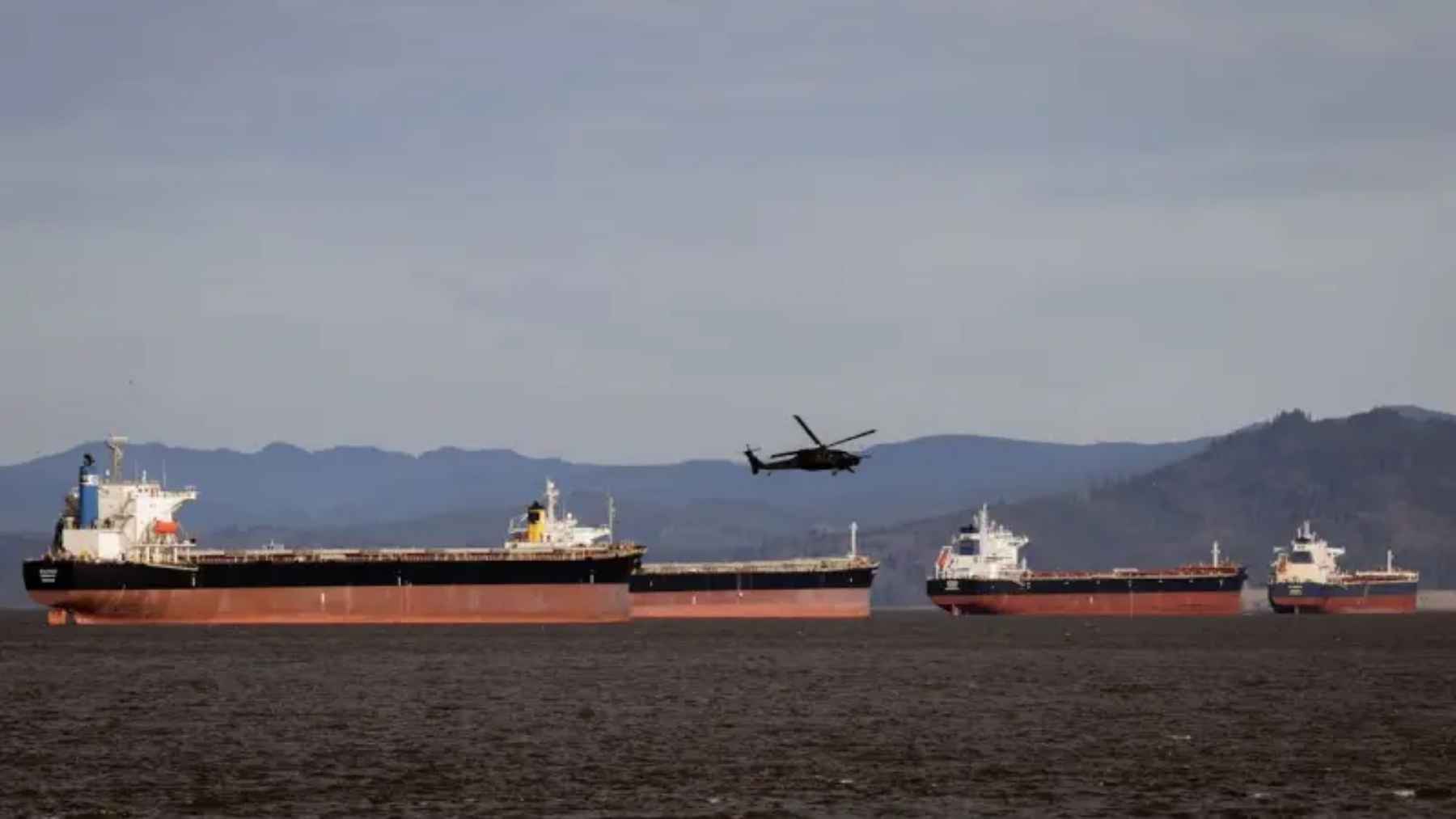
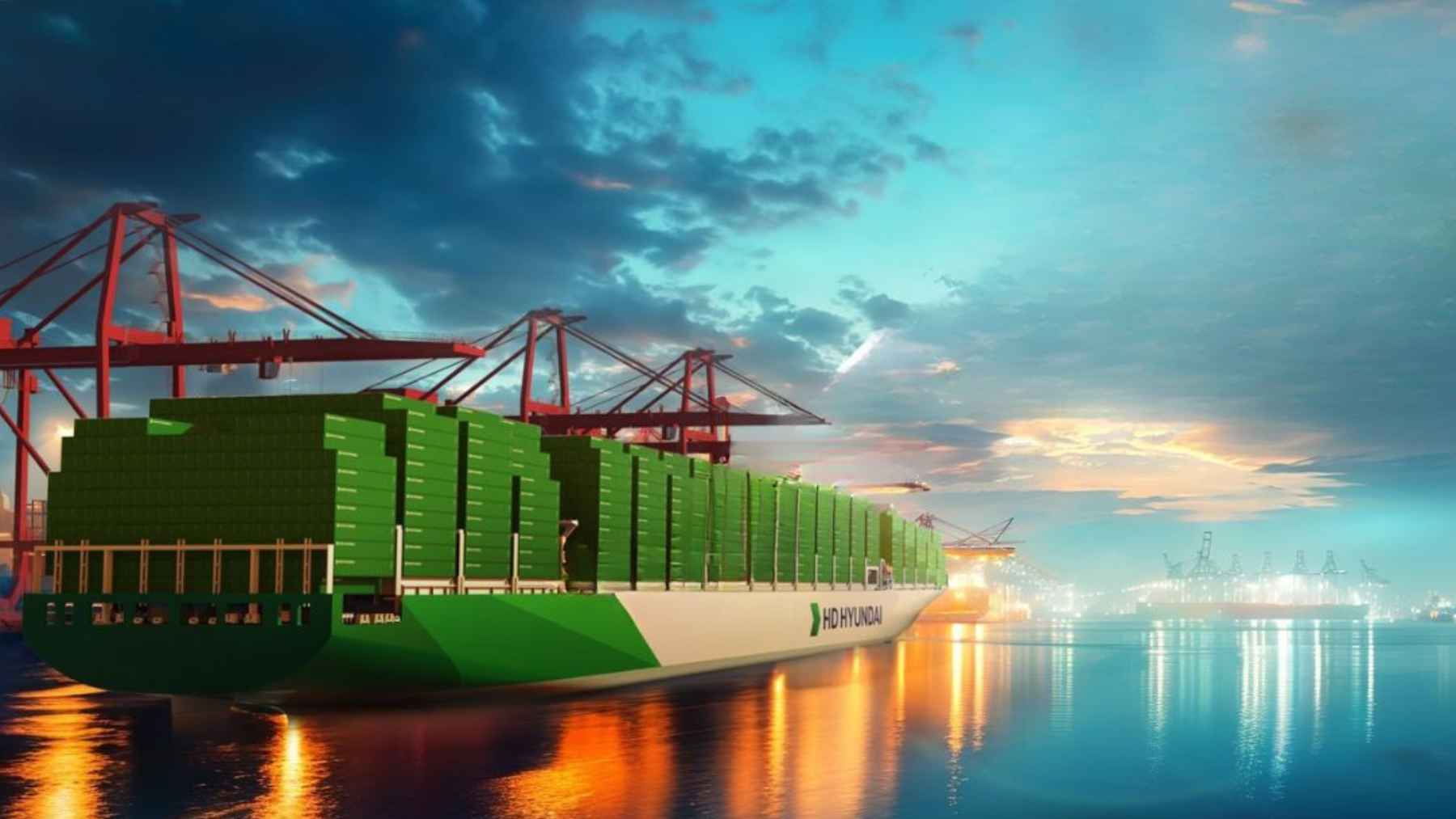
ABS, HD Korea Shipbuilding & Offshore Engineering, and HD Hyundai Samho Heavy Industries signed a joint development project to study a nuclear-powered electric propulsion system for a 16,000 TEU container ship. This is not a ship order yet. Still, it is a serious commercial design study centered on one of the biggest vessel classes in global trade.
A concept that is getting more concrete
This did not come out of nowhere. In February 2025, ABS granted approval in principle to an earlier HD KSOE nuclear-electric containership concept for a 15,000 TEU vessel.
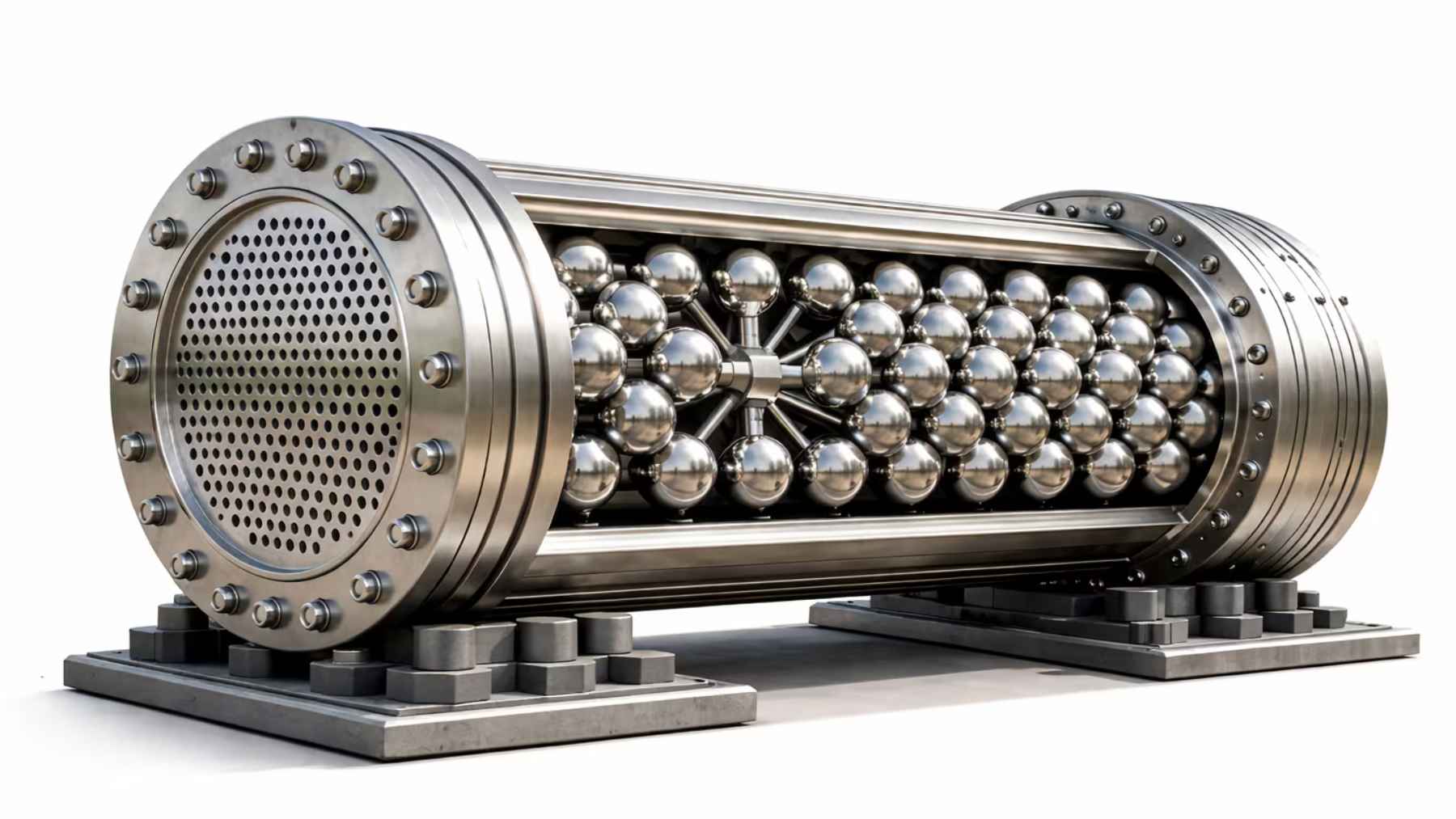
That design used a molten salt reactor for heat and a supercritical carbon dioxide system for power generation. At the time, ABS described advanced reactors as a potential “commercial shipping disruptor.”
The new 2026 agreement goes a step further by shifting the conversation from concept approval to the practical work of basic design, electrical systems, and vessel layout for a larger ship. In practical terms, that means the idea is moving from show model to engineering problem.
Why shipping is looking at nuclear again
Why now? Because the pressure is real. The IMO’s Fourth Greenhouse Gas Study found that shipping accounted for 2.89% of global human-caused emissions in 2018.
Its 2023 strategy calls for net-zero greenhouse gas emissions from international shipping by or around 2050, and it wants zero or near-zero energy sources to make up at least 5%, while striving for 10% of shipping’s energy use by 2030.
Then came another push. In April 2025, the IMO approved draft net-zero regulations for large ocean-going ships over 5,000 gross tonnage, which account for 85% of international shipping’s CO2 emissions. That is why ideas that once sounded extreme are getting a second look.
The hard part is still ahead
But nobody should confuse this with a near-term launch date. ABS says the new project is about technical feasibility. The bigger hurdle may be the rulebook.
In October 2024, ABS published what it called the industry’s first comprehensive rules for floating nuclear power, including a framework for nuclear regulators, flag administrations, and class societies to work together on oversight and licensing.
That matters because the race is no longer just about fitting a reactor onto a ship. It is also about whether ports, regulators, insurers, and customers will be willing to accept it. And that is where the story gets really interesting.
If HD Hyundai clears those barriers, container shipping could gain a new low-emission option for very large vessels. If it does not, this project may still end up shaping the next big debate in maritime technology. Either way, the industry is no longer treating nuclear propulsion like a fringe idea.
The official statement was published on ABS News.