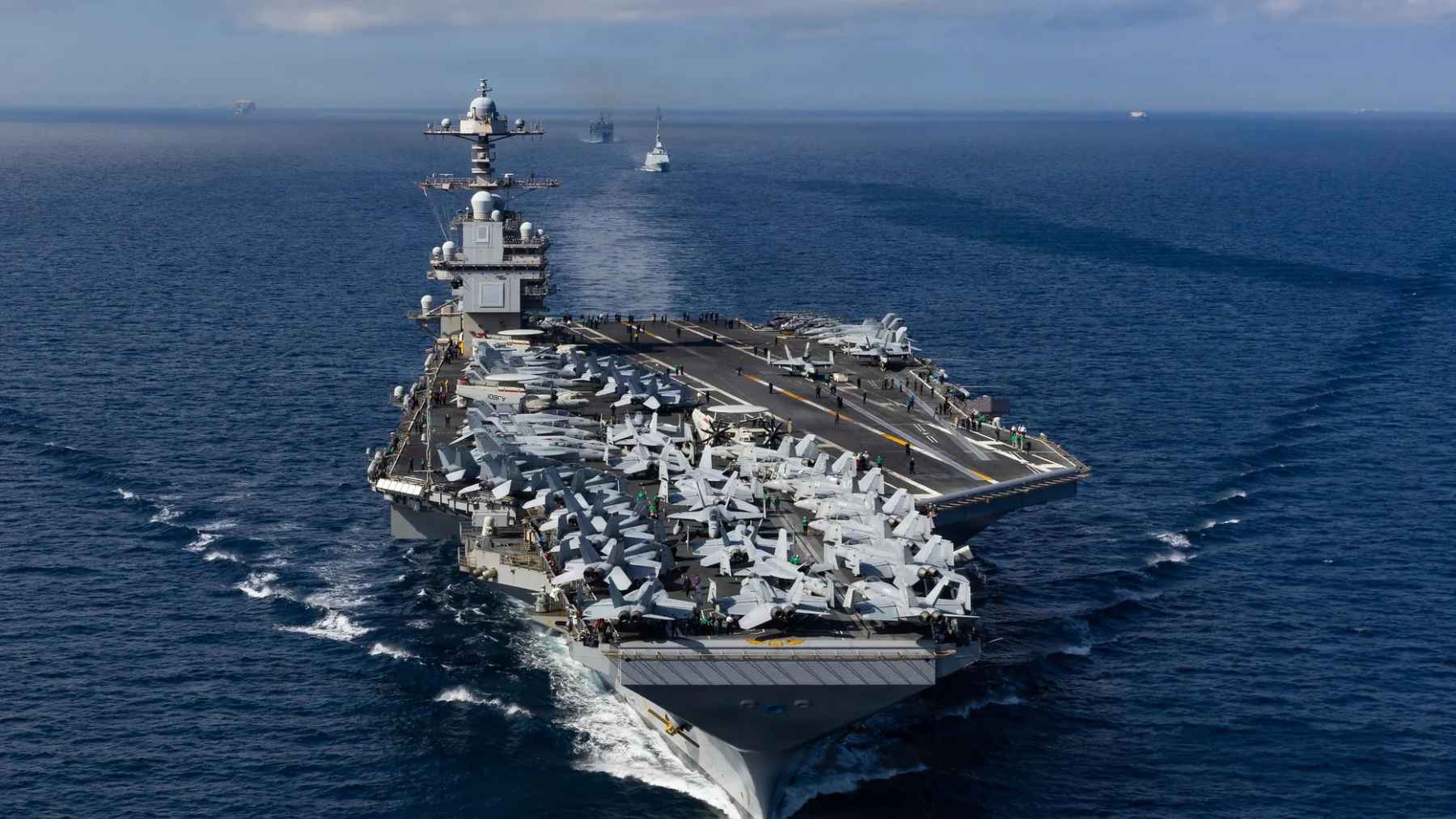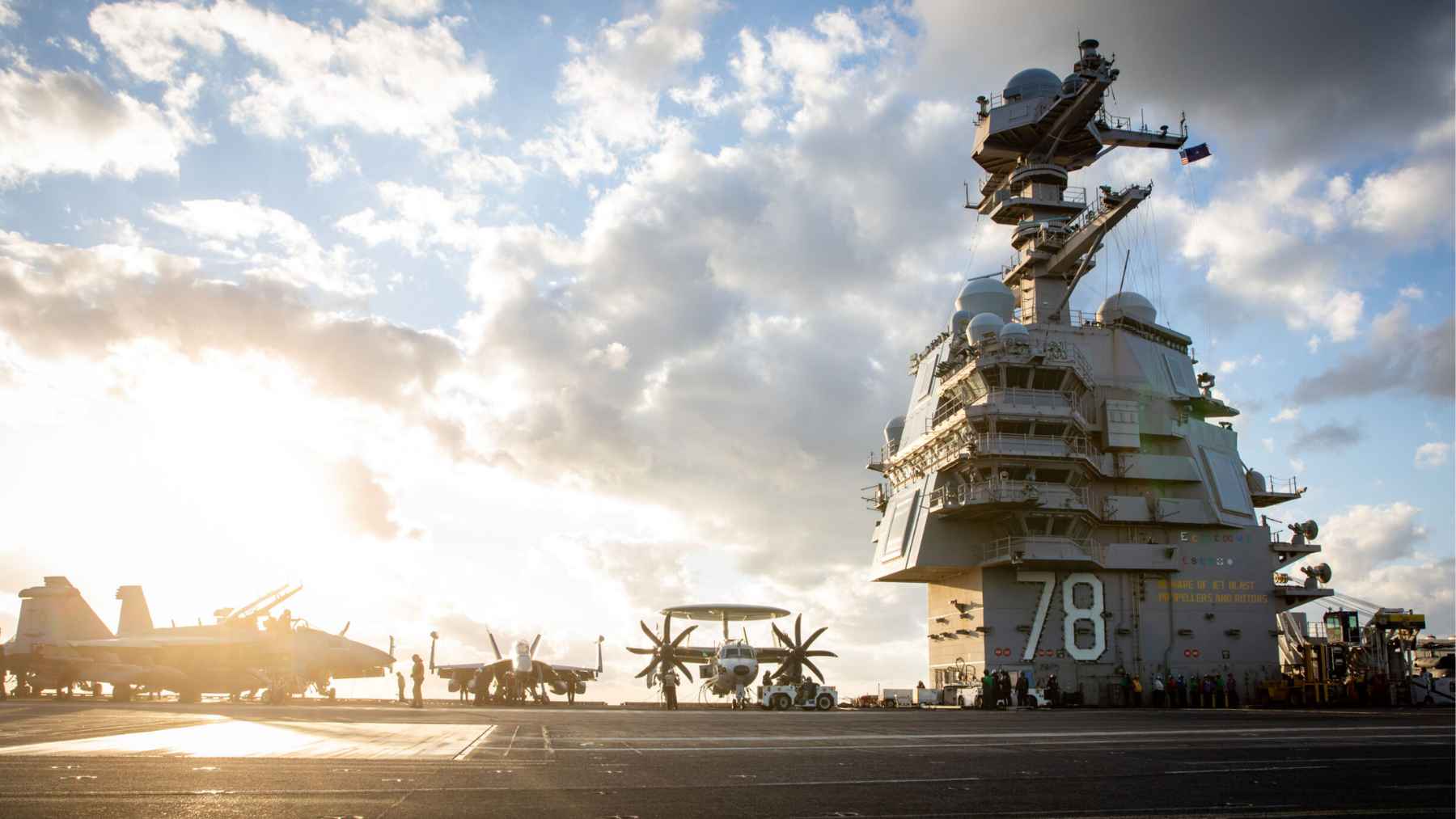
Most people look at an aircraft carrier and see hard power. Jets, radar, deterrence. But there is another side to the picture, and it is easier to miss from shore. A supercarrier on a record-long mission is also an environmental story, because the longer a strike group stays deployed, the harder it becomes to separate readiness from resource use.
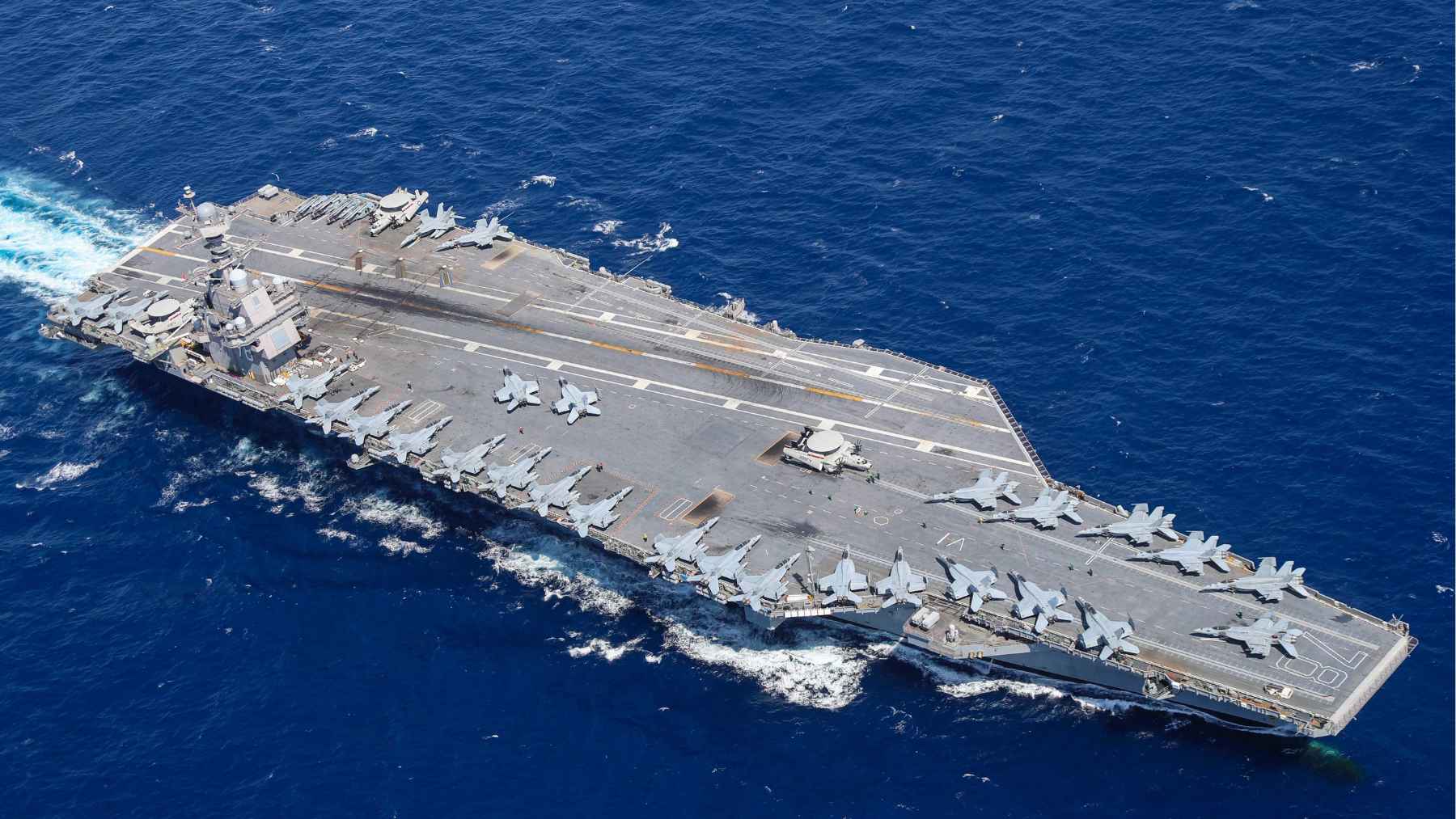
Ford left Norfolk on June 24, 2025, sailed through European waters, shifted to the Caribbean for U.S. Southern Command operations, and was later redirected toward the Middle East. USNI News reported that staying deployed past April 15 would break the 294 day post-Vietnam carrier record set by USS Abraham Lincoln, and by early March Ford had entered the Red Sea.
A deployment that keeps stretching
By late February, the Navy said Ford had been away for more than eight months, with more than 4,000 sailors aboard, over four million meals served, and more than 400,000 gallons of drinking water produced each day.
That sounds abstract until you picture daily life on what is basically a floating city. Laundry. Showers. Food lines. Spare parts. Constant replenishment. Adm. Daryl Caudle captured the strain in four words when he said “Extended deployments demand endurance”.
Nuclear power does not erase the footprint
Ford is nuclear-powered, and that matters. The ship itself is not burning conventional propulsion fuel the way a nonnuclear warship would. But a carrier strike group is never only the carrier. Aircraft sorties, destroyer escorts, resupply ships, and the wider logistics chain still sit inside the Pentagon’s emissions footprint.
The Defense Department said its FY 2019 emissions totaled about 55 million metric tons of carbon dioxide equivalent, with 62 percent coming from operational sources and jet fuel making up about 80 percent of operational emissions.
Why the balance is getting harder
The Navy says Ford’s new systems, including EMALS and advanced arresting gear, have helped raise sortie generation compared with a Nimitz-class carrier. That is the tech story.
The environmental question sits right beside it. The Department of the Navy’s Climate Action 2030 plan says the service is aiming for net zero greenhouse gas emissions by 2050 and an added five million metric tons of annual pollution cuts by 2027.
At the same time, maintenance delays and a tight carrier roster keep pushing deployments longer. In practical terms, the Navy is being asked to do more, stay out longer, and shrink its emissions. That is not impossible, but it is getting harder to pretend those goals live in separate boxes.
Ford’s long mission is still a defense story first. No question. But it is also a reminder that ecology, logistics, and military power now move together.
The official statement was published on the U.S. Navy website.