A major Australian green energy company that once promised hundreds of regional jobs is now on track to be broken up and wound down.
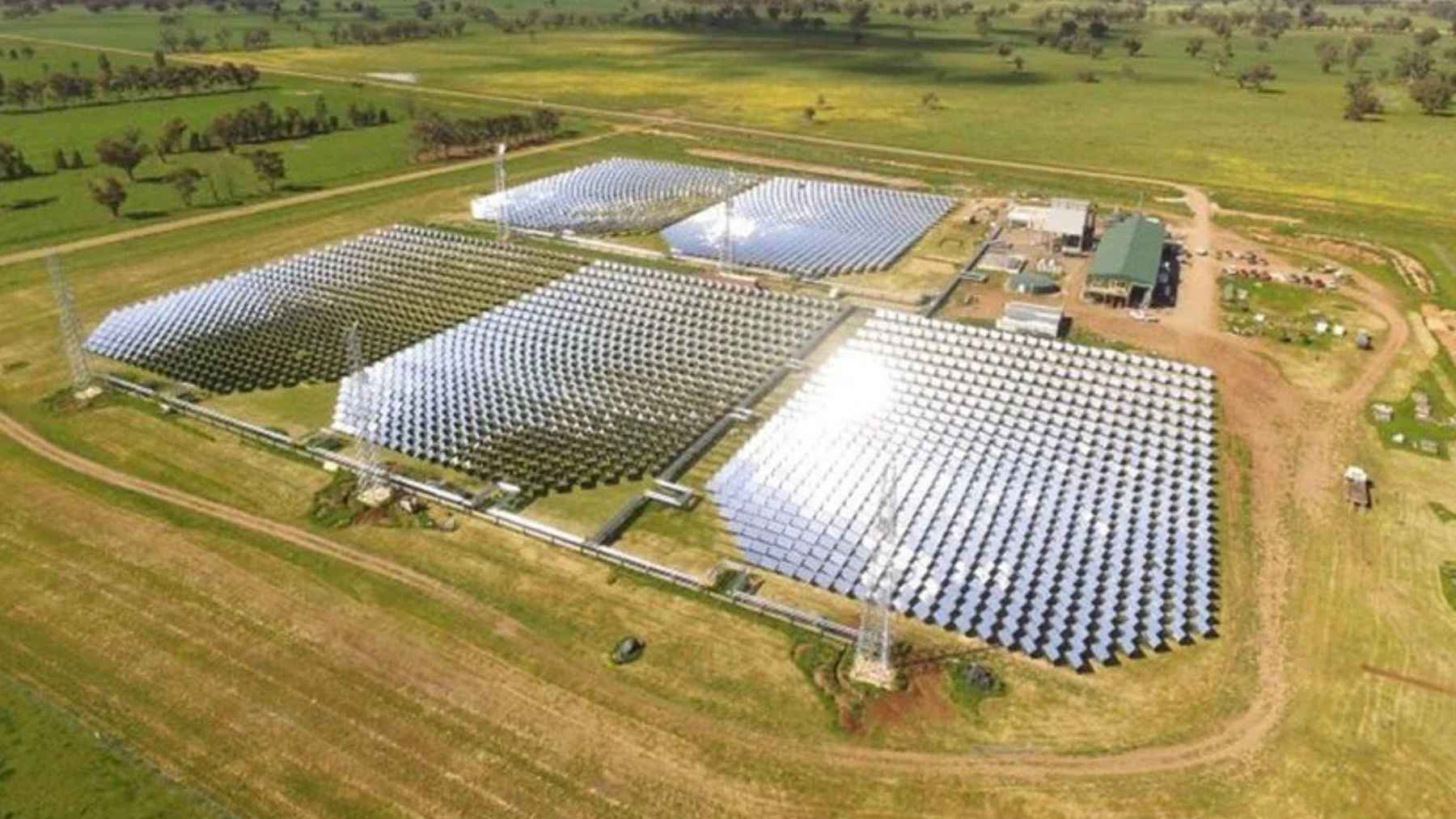
Vast Renewables, the business behind a large publicly subsidized solar power plant in South Australia, has fallen into administration with about 79 million dollars in debt and faces a sale of its assets for a fraction of that amount.
The company, founded by Sydney’s billionaire Kahlbetzer family, received tens of millions in public grants yet still reported fresh losses in its latest accounts.
Now KPMG administrators have recommended a deed of company arrangement, known as a DOCA, that would pool assets, sell off the business, and hand its clean energy technology to a government agency while unsecured creditors recover only a few cents on each dollar they are owed.
How the proposed deed would work
KPMG administrators Peter Gothard and Amanda Coneyworth have told creditors they should accept a DOCA that would sell Vast’s property, assets, and undertakings, with all proceeds flowing into a single deed fund. The plan covers 11 related companies inside the group, so everything from equipment to contracts would be treated as one pool.
Unsecured creditor claims total about 30.6 million dollars. United States drilling and services company Nabors, which lent money to Vast, and Taloumbi, a company linked to Vast chief executive Craig Wood, would each pay 50,000 dollars into the fund, adding to the sale proceeds before money is distributed.
A DOCA in Australia is a binding deal between an insolvent company and its creditors that sets out how the company’s affairs will be handled. In theory it is designed to give creditors a better outcome than a simple liquidation, even if that “better” return still feels small to suppliers waiting to be paid.
Jobs, factories, and solar projects on hold
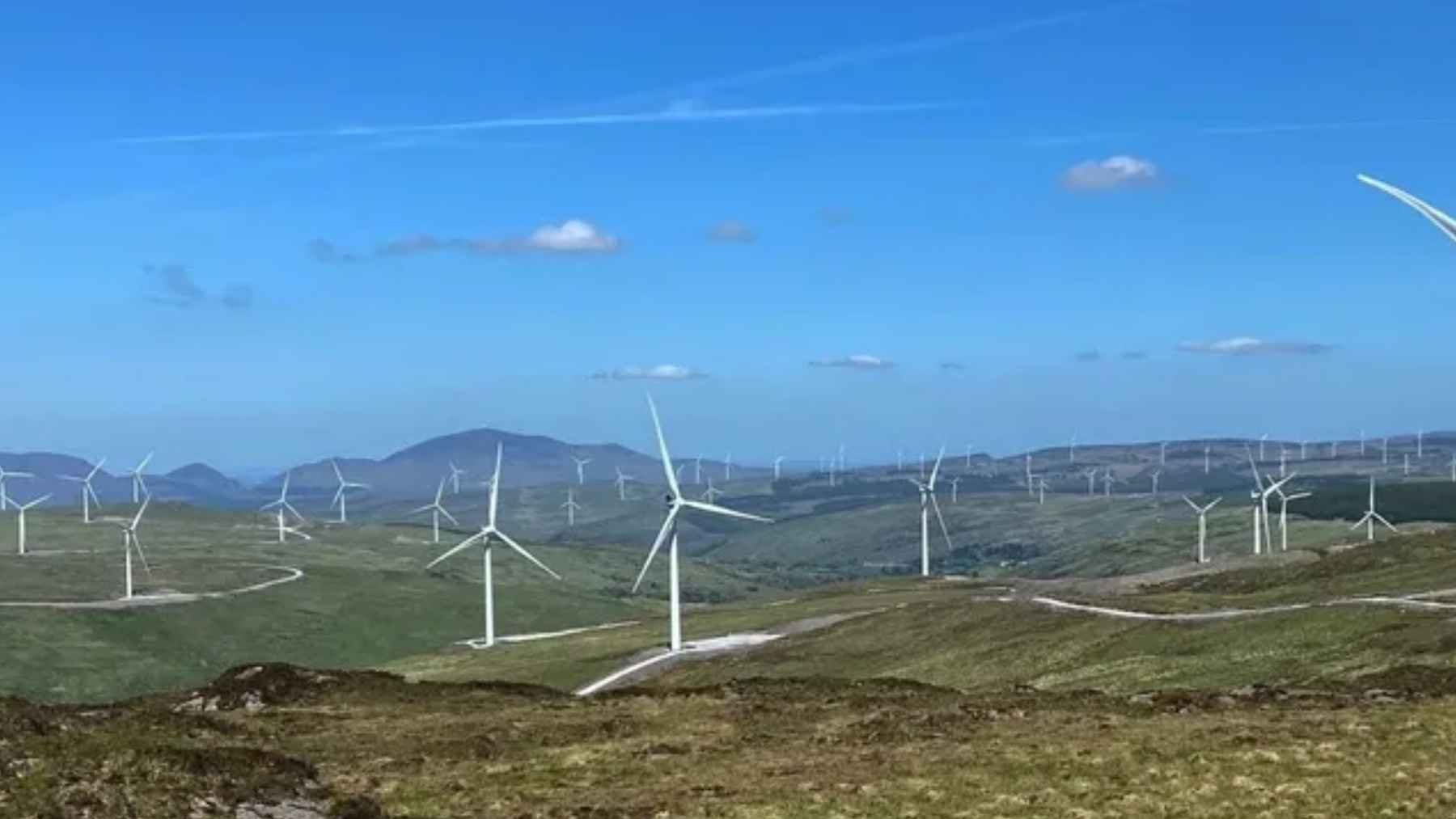
Before its collapse, the company promoted an ambitious pipeline that included a 30 megawatt solar power plant near Port Augusta in regional South Australia. That project was expected to create about 450 jobs during construction, plus around 70 ongoing roles once the plant started operating. Administrators now say the project is likely to be put on hold.
Vast’s main manufacturing site sits in the Brisbane suburb of Goodna. According to the report, that facility is expected to shut, and about fifty employees have already been made redundant, although the proposed deed would pay out all entitlements owed to impacted staff.
For the workers and families tied to that plant, the numbers on a page translate into lost paychecks and tough choices about what comes next.
The group was not a bit player in the clean energy transition. It received 21.5 million dollars in federal grant funding for the South Australian plant, 700,000 dollars from the Australia Singapore Low Emissions Technologies initiative last August, and 437,000 dollars for a solar project in Jemalong in New South Wales back in 2012.
Its solar methanol project with energy company Mabanaft attracted 42 million dollars in combined German and Australian government funding under the German Australian Hydrogen Innovation and Technology Incubator initiative.
Public money, creditors, and what comes next
The Australian Renewable Energy Agency is at the center of the rescue attempt. The taxpayer funded body is Vast’s largest creditor with a claim of 24.5 million dollars, about 45 percent of the total debt, and under the DOCA all of the company’s intellectual property would be transferred to the agency “in order to maximize the chances of its commercialization in Australia.”
In simple terms, the patents and know how built with heavy public support would end up in public hands rather than disappearing in a fire sale.
There is still pain to go around. KPMG estimates unsecured creditors will recover between 3.2 and 4.2 cents on the dollar under the deed, compared with 1.6 to 2.9 cents if the business is simply liquidated. For most small suppliers, that kind of return barely covers invoices, yet restructuring experts argue that even a small improvement is worth locking in.
Vast’s latest financial report shows a loss of 4.56 million dollars in the 2024 to 2025 year, a sharp improvement on the 294 million dollar loss recorded in the prior period, but still deep in the red.
Creditors are expected to vote on the DOCA proposal on Wednesday, after which the administrators would be appointed liquidators and wind up the company once distributions and the transfer of intellectual property are complete. The future of its technology now hangs on that vote.
The situation was first detailed by journalists uncan Evans and Kathleen Skene for The Australian Business Network. The main news report has been published in The Australian Business Network.
The official notice of Vast Renewables’ administration and creditor meetings has been published on the ASIC Published Notices.