Do you really need to tear into old walls to get faster internet? A recent post from British blogger The HFT Guy suggests not always. He documented how he reused legacy phone wiring in an older home with GIGA Copper G4201TM adapters, turning forgotten wall jacks into wired broadband links.
His setup reported physical-layer readings above 1 Gbps, and the G.hn standard behind that gear is designed to run over telephone wires, coax, Cat5, and power lines at speeds of at least 1 gigabit per second.
Why the green angle matters
That may sound like a niche tech trick, but the environmental angle is hard to ignore. The world generated a record 62 billion kilograms of e-waste in 2022, and only 22.3 percent was formally collected and recycled, according to the ITU.
Meanwhile, construction and demolition waste makes up more than a third of all waste generated in the EU. So when an upgrade reuses cable already hiding inside the walls, it can avoid some of the drilling noise, drywall dust, and extra material use that often come with a full rewire. For homeowners staring at another renovation bill, that matters.
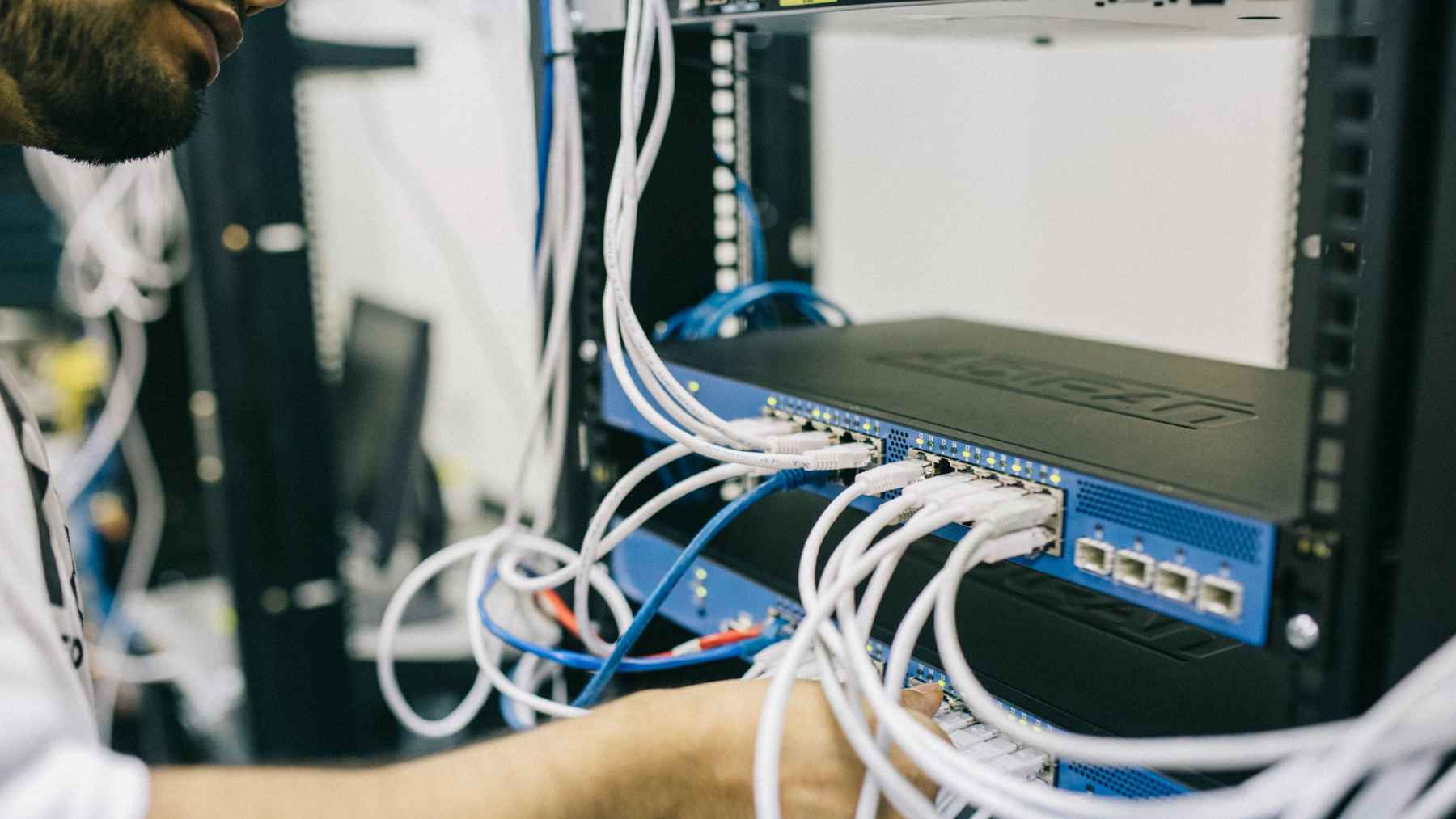
In practical terms, the fix is fairly simple. One adapter sits near the router and feeds the signal into the old phone line, while another in a different room converts it back into Ethernet.
HomeGrid Forum says G.hn was built for exactly this kind of “any wire” networking, and GIGA Copper says telephone runs in private houses are often 30 to 50 meters and can reach about 1.5 Gbit/s net over that distance.
But there is a catch. Older homes often have messy, daisy-chained phone wiring, and that means not every property will be an easy win. As the blogger found, what is hiding behind the wall still matters.
Not just a DIY curiosity
And that is where the business angle comes in. Broadband Forum said in a 2024 press release that certified G.hn access gear can help service providers and building owners upgrade networks over existing coax and telephone wiring, saving time and money when fiber cannot easily be installed inside older properties.
In practical terms, that means a trick that looks like a one-off home project could also matter for apartment buildings, hotels, and other aging sites that need faster broadband without a full construction job. Sometimes the smartest upgrade is not the newest cable. It is the old copper already in the wall, finally getting a second life.
The press release was published on Broadband Forum.