Fast delivery sounds great when you are waiting on a package at home. But what happens when that promise lands on one neighborhood’s streets, drainage system, and green space?
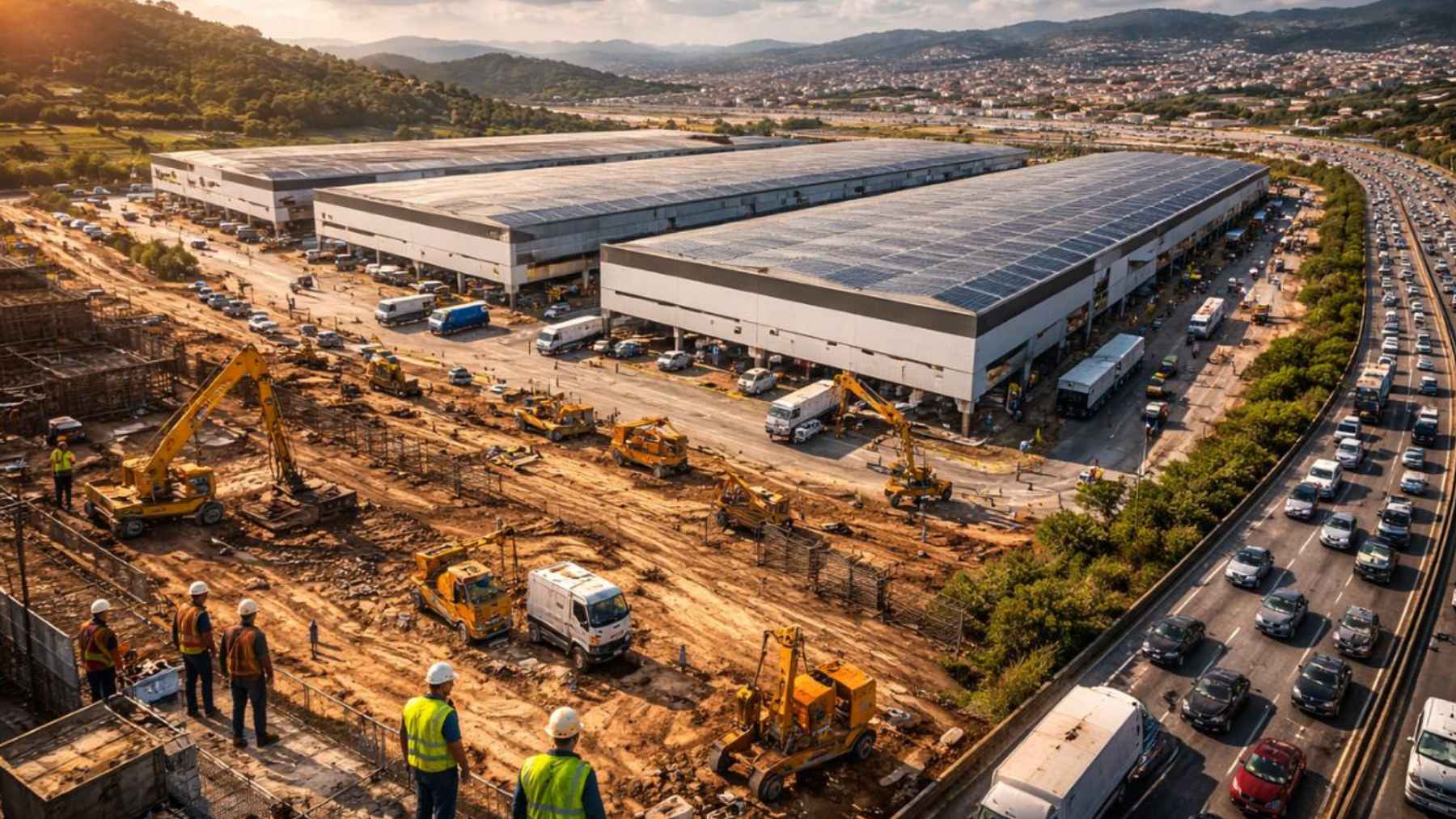
That question is hanging over Bonsucesso in Guarulhos, where a logistics mega-project tied to e-commerce and last-mile delivery is moving forward with reported land costs of about R$200 million and construction that could top R$700 million.
The planned complex is expected to span roughly 200,000 square meters, or about 30 soccer fields.
How last-mile delivery could reshape Bonsucesso
In practical terms, this is not just another warehouse. The project is designed for high-speed distribution, with space for large trucks, loading docks, industrial flooring, and constant cargo movement that can feed smaller vehicles making urban deliveries.
That could strengthen Guarulhos’ role in the logistics network serving São Paulo’s metro area, especially as e-commerce keeps pushing for shorter delivery times.
Environmental pressure from large paved surfaces
But the environmental side of the story is harder to ignore. Large paved surfaces can change how rainwater moves through a neighborhood, which is why drainage systems, underground pipes, gravel layers, and other water-control measures are central to a project of this size. For the most part, that kind of engineering is meant to prevent flooding and structural problems later on.
Even so, replacing natural ground and vegetation with concrete and roofing usually raises pressure on local runoff, heat, and land use. And that is where the real debate starts.
Traffic and infrastructure risks for residents
Traffic may be the issue residents feel first. More trucks, utility vehicles, and delivery vans can mean more noise, more wear on roads, and longer waits in the kind of traffic jams people already know too well in growing urban corridors.
Private logistics gains can be real, but some of the public cost may show up as stressed infrastructure, tougher mobility, and a neighborhood that feels less livable day to day.
Can economic growth and urban quality of life coexist
That does not mean the project has no upside. It could bring investment, jobs, and a stronger commercial base to Guarulhos. Still, the bigger question is whether the city can absorb that growth without making old problems worse.
At the end of the day, the environmental test is fairly simple. Can faster e-commerce coexist with better drainage, manageable traffic, and some protection for urban quality of life?
The official notice was published on Guarulhos’ Diário Oficial.