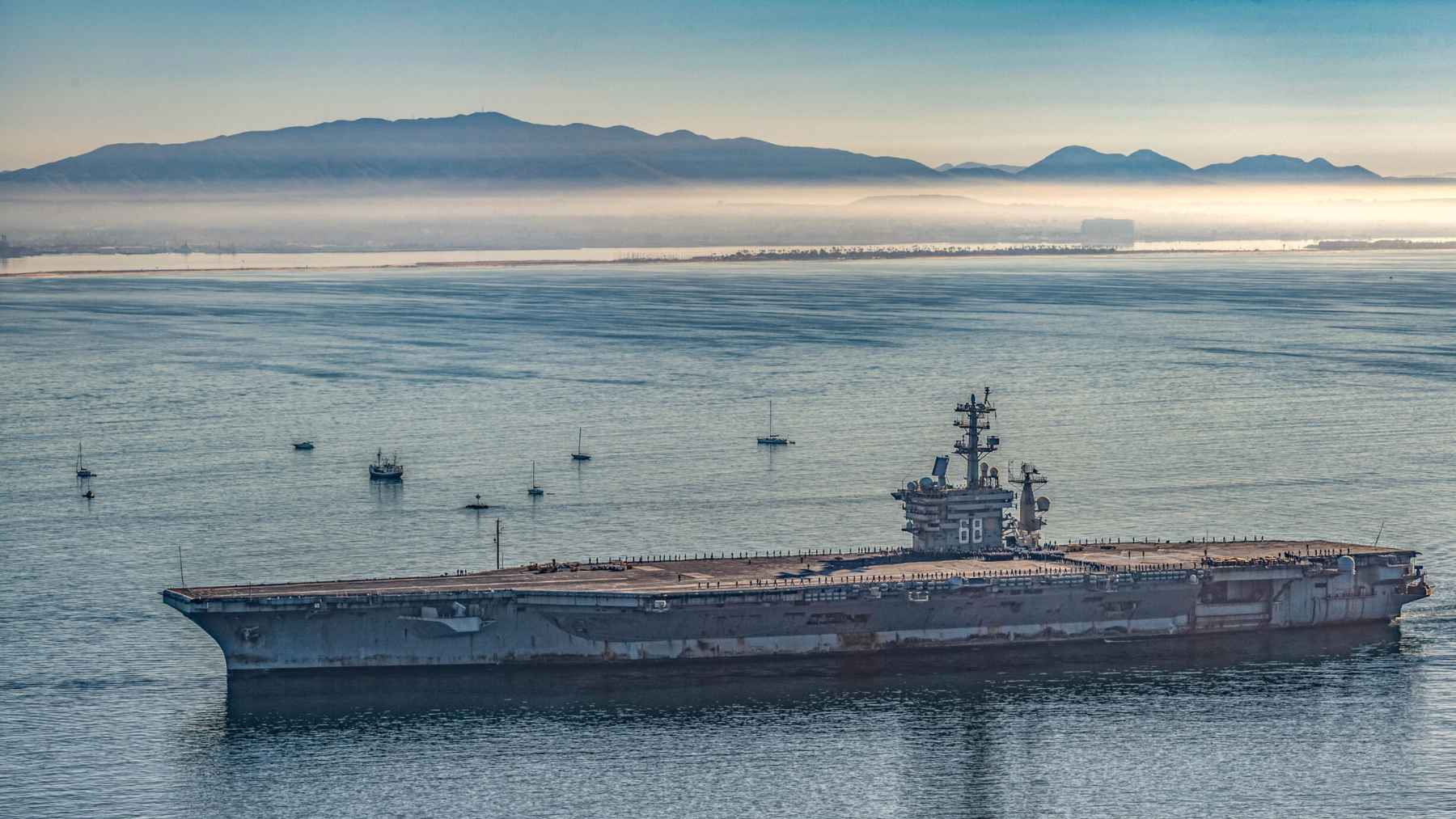
When a U.S. supercarrier heads toward South America, navies across the region pay attention.
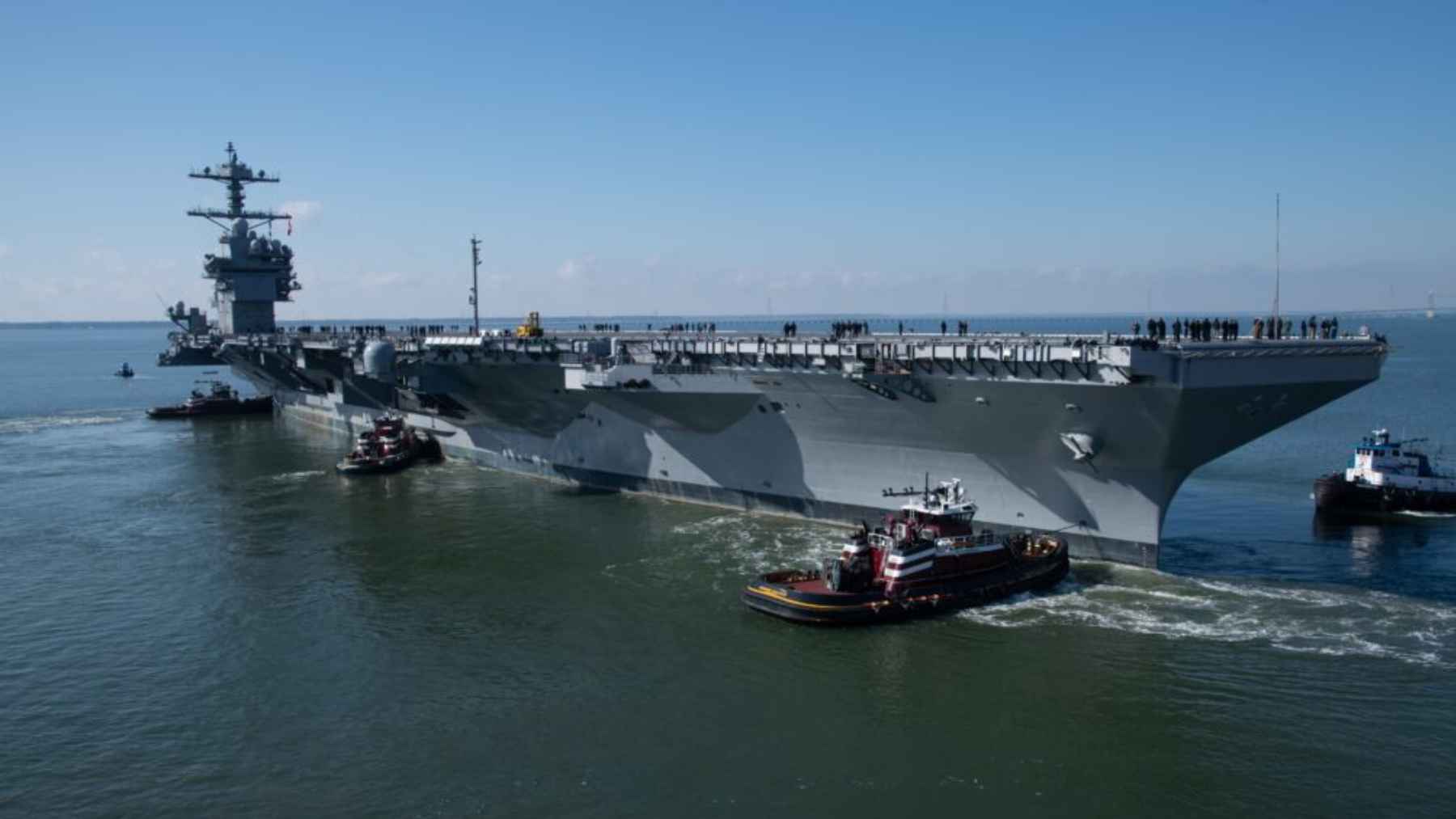
That is happening now with USS Nimitz, which left Naval Base Kitsap in Bremerton on March 7 for the last time in its 51-year service history and is bound for Norfolk as part of a broader transit that includes U.S. Southern Command waters.
The ship is also set to take part in Southern Seas 2026, a deployment tied to U.S. Naval Forces Southern Command/U.S. 4th Fleet. For Argentina, the obvious question is hard to ignore. Could Gringo-Gaucho be back?
So far, there is no official confirmation of a new Argentina-U.S. exercise. That matters. Lt. Cmdr. Peter Pagano, a spokesman for the carrier, said planning is underway for Nimitz to visit several partner states while circling South America and that more details on participating units and destinations will be released later.
In practical terms, that means any new Gringo-Gaucho edition is still a possibility, not a signed-off event. But the opening is there, and naval planners on both sides surely see it.
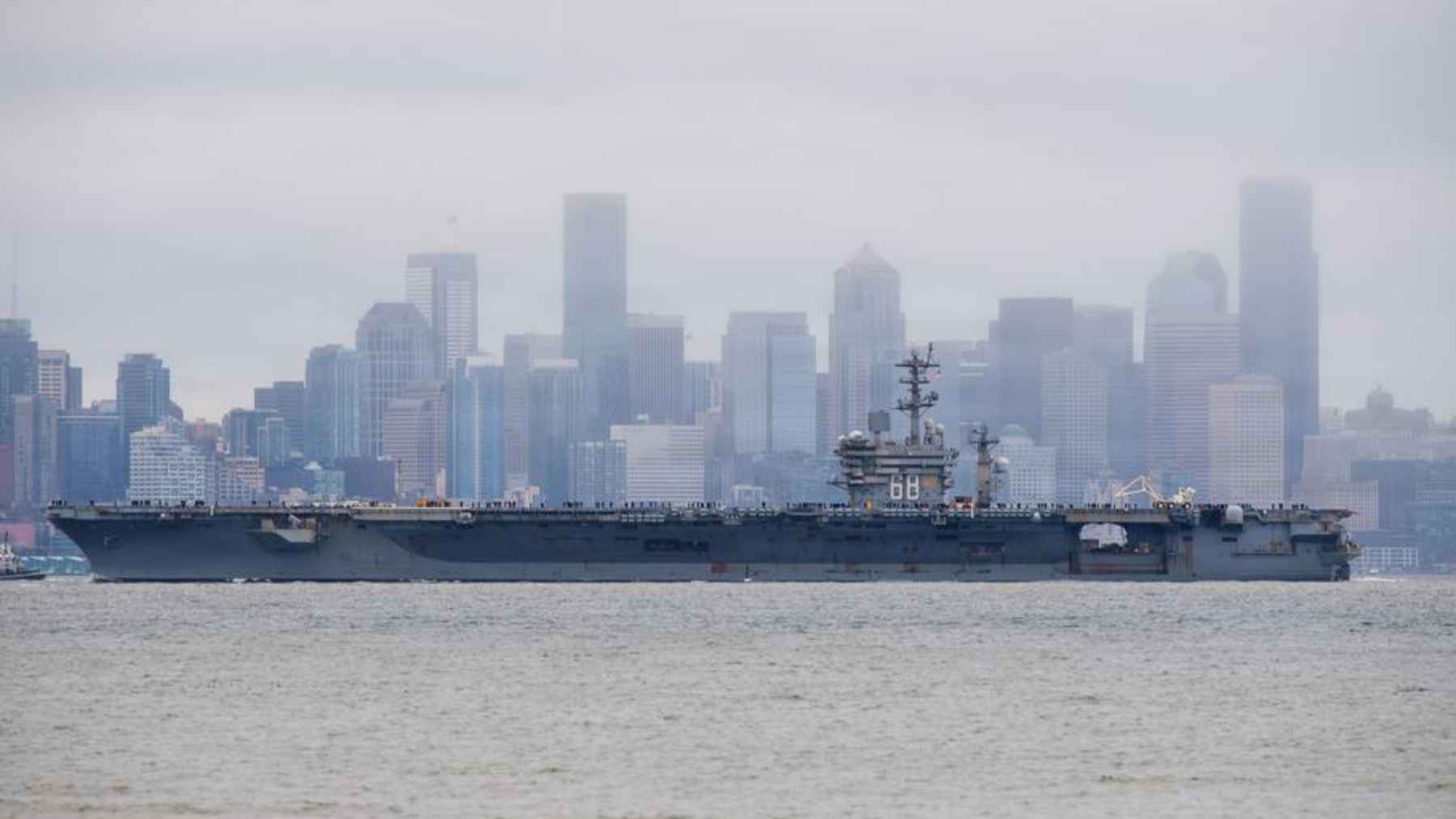
The USS Nimitz sails past a coastal skyline as it begins a high-profile deployment linked to U.S. Southern Command and potential regional exercises.
Why Gringo-Gaucho still makes sense
The precedent is strong. In 2024, USS George Washington deployed to the region under Southern Seas 2024, which the U.S. Navy said was designed to improve interoperability and strengthen maritime partnerships across the Southern Command area.
Official Navy imagery from May 30, 2024, also showed an Argentine Navy UH-3H Sea King landing aboard George Washington during a bilateral exercise in the Atlantic.
That may sound technical, but it is exactly the kind of coordination that gives these drills real value. Flight deck procedures, communications, timing, trust. The kind of work that only gets better by doing it.
Why the exercise would matter beyond symbolism
And that is where the story gets more interesting. For Argentina, a new Gringo-Gaucho would be more than a symbolic photo op with a famous warship. The country no longer operates a carrier of its own, so chances to work alongside a U.S. flight deck are rare and useful.
Training with Nimitz could help refresh habits tied to naval aviation, surface coordination, and combined operations. At the end of the day, that is what these deployments are really about. Not nostalgia. Readiness.
There is also the ship itself. Commissioned in 1975, Nimitz is the oldest active U.S. aircraft carrier, and the Navy has now extended its service life to March 2027. So if Argentina does get another Gringo-Gaucho moment, it could come with one of the most recognizable carriers the U.S.
Navy has ever put to sea. A final chapter in southern waters would be a big headline. But for both navies, the real value would be much more practical than that.
The official press release was published on the U.S. Pacific Fleet.