Railroads have long looked at station roofs, parking lots, and spare land as places to add solar power. Now SNCF is taking a serious look at something more unusual.
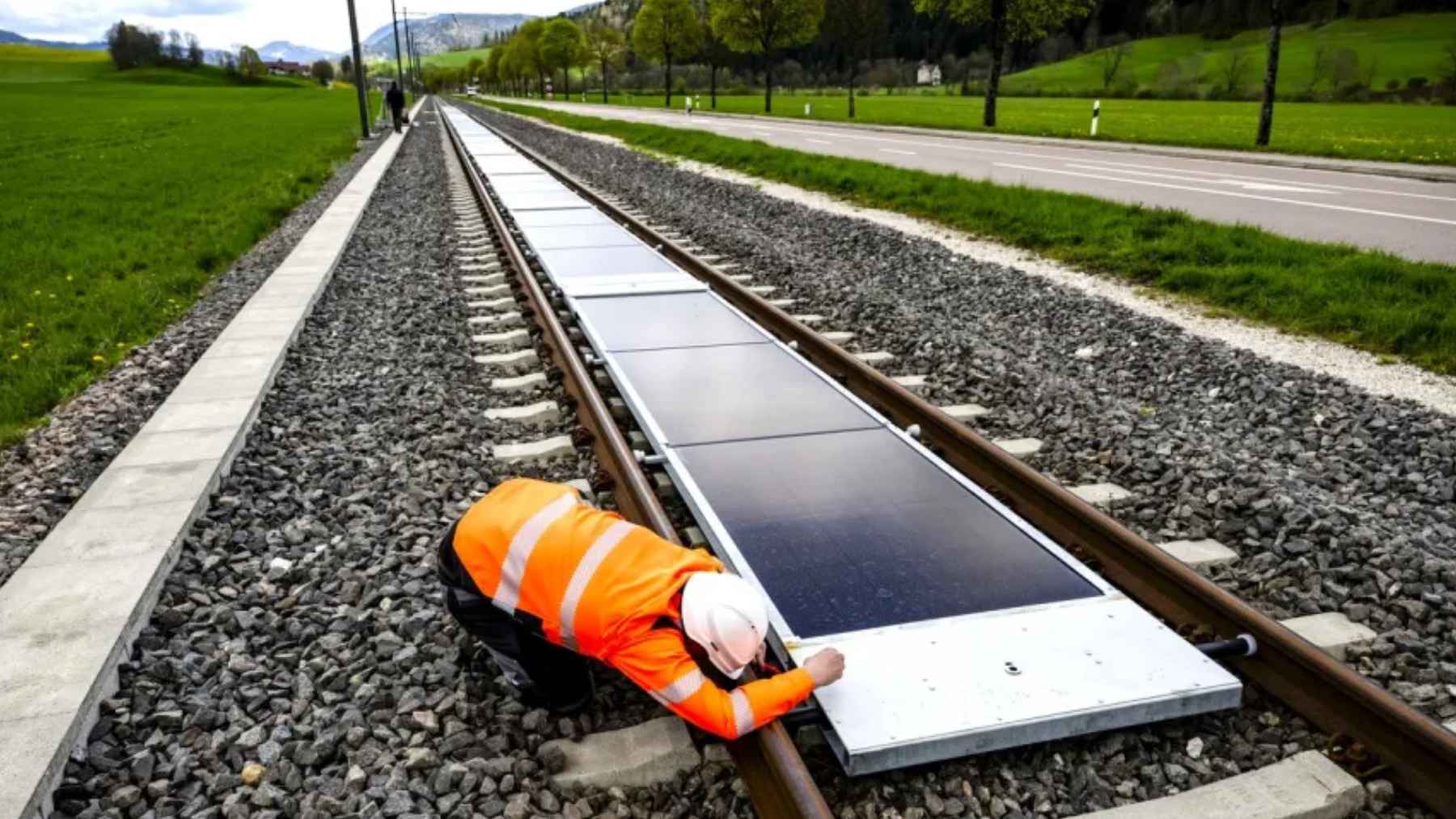
The unused space between the rails themselves. France’s national railway group has teamed up with Swiss startup Sun-Ways to follow what SNCF calls the world’s first removable solar power plant installed on an active rail line, with testing set to continue through April 2028.
Why does that matter? Because SNCF is not a small power user experimenting on the margins. The company says it is France’s largest electricity consumer and the country’s second largest property owner.
By 2030, it wants solar installations across 1,000 hectares of rail property to cover roughly 15 percent to 20 percent of its electricity needs. In practical terms, that means every workable surface is now under review, including the strips most passengers never think about as their train rolls by.
What the Swiss pilot is actually testing
The pilot site is in Buttes, in the Swiss canton of Neuchâtel, where Sun-Ways launched the project on April 24, 2025. SNCF says the test is giving its teams direct access to operational data on installation and removal, glare, track inspections, maintenance effects, electricity output, and dirt buildup.
That last point may sound mundane, but it is exactly the kind of detail that decides whether a clever prototype can survive real-world rail service. Dust, vibration, maintenance windows, weather, and passing trains have a way of exposing weak ideas fast.
The current installation is modest. SNCF says it uses 48 solar panels rated at 380 watts across 100 meters of track, for 18 kilowatts peak of installed capacity. Sun-Ways, meanwhile, pitches a much bigger long-term vision.
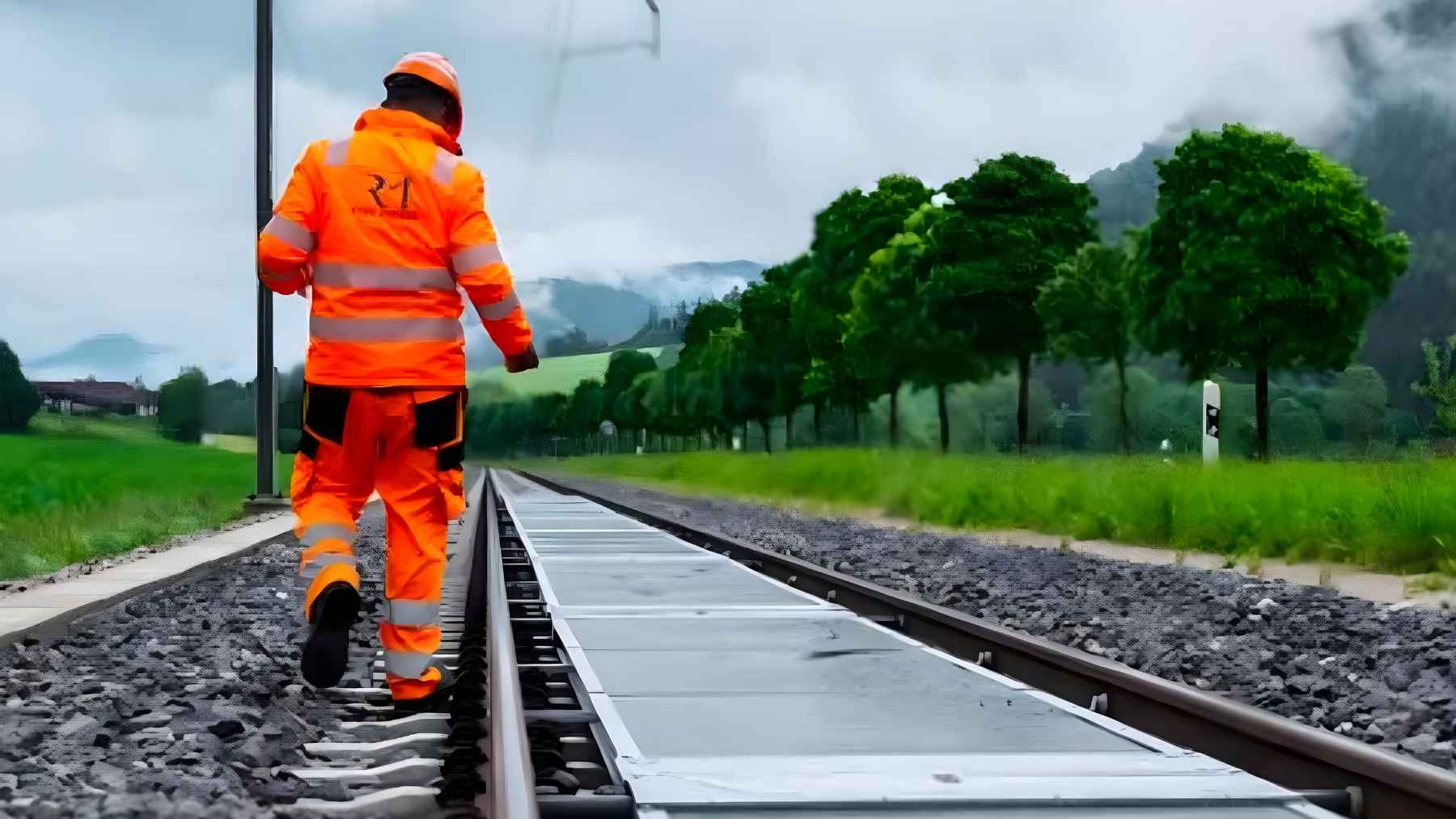
The company says its system is fully removable, designed for train passage at speeds up to 150 kilometers per hour, and could produce around 200 megawatt-hours per kilometer per year under its model. That is the kind of headline promise that grabs attention, though the pilot phase will show how much of that holds up outside a brochure.
What this could mean for rail energy strategy
For SNCF, the attraction is clear. Solar panels on buildings are useful, but they compete with other site needs and only go so far. Rail corridors already stretch for miles. If even part of that space can generate electricity without disrupting operations, the business case gets interesting very quickly.
And at a time when utilities, transit systems, and households alike are still thinking about energy bills and extra domestic power, extra domestic power is hard to ignore.
The official statement was published on SNCF Group.