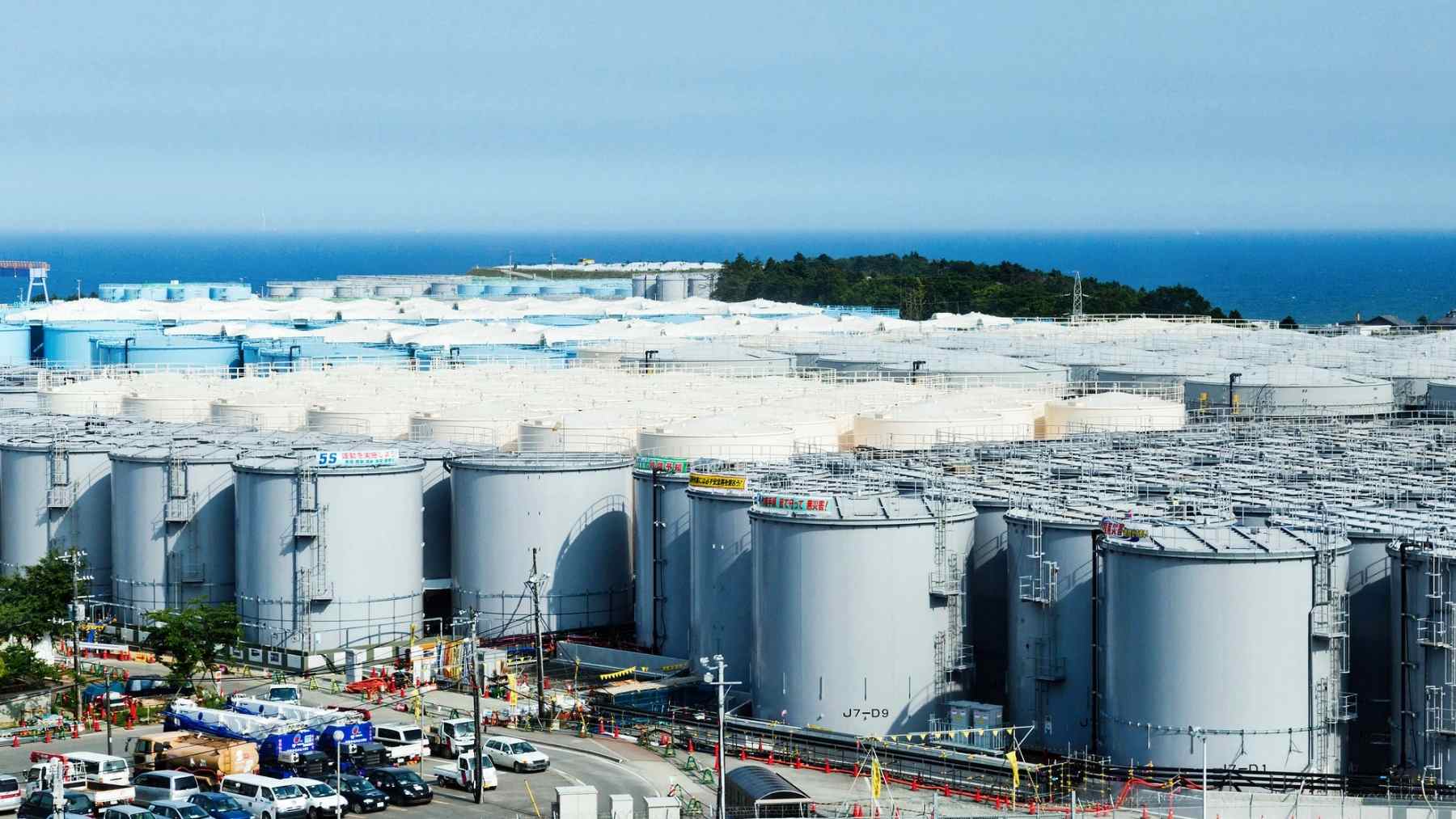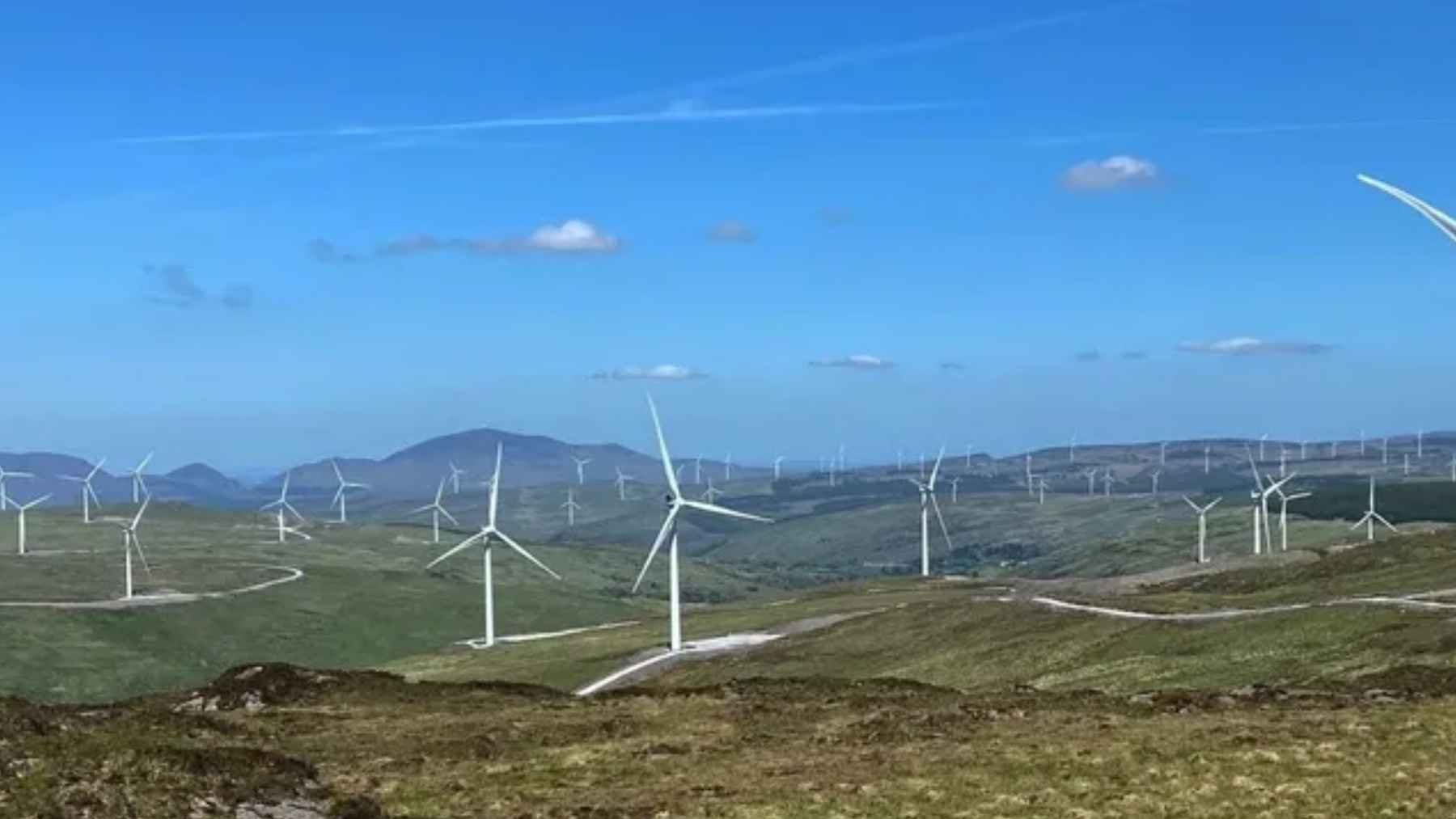
Ireland has just switched on its first long duration, grid scale battery at Cushaling in the Irish midlands, a project built by Statkraft, Europe’s largest renewable energy producer. The four hour battery energy storage system sits beside the Cushaling Wind Farm and can store enough clean electricity to supply around ten thousand homes for four hours when the wind drops.
For a country racing to cut fossil fuel use, this is more than a shiny box of batteries. It is a test of how far storage can go in turning Ireland’s strong winds into reliable, around the clock power.
What a four hour battery actually does
Most grid batteries installed in Ireland so far could only discharge at full power for somewhere between half an hour and two hours. That helps smooth short blips on the grid but does not fully cover the evening peak when people get home, turn on the heat, cook dinner, and plug in phones and laptops.
The Cushaling system was designed to deliver about twenty megawatts of power for four hours, which works out at roughly eighty megawatt hours of stored energy. In simple terms, it behaves like a giant power bank for the local wind farm.
When the wind is strong and demand is low, the battery charges. When demand rises later, it feeds that stored energy back into the grid instead of letting turbines sit idle.
From wasted wind to flexible power
Right now, a surprising share of Irish wind power never reaches a socket. Company figures indicate that between ten and fourteen percent of available wind energy is effectively wasted each year because turbines are turned down during low demand periods.
That is like buying groceries and throwing a bag of them straight in the trash. The energy has already been generated, the infrastructure already paid for, yet nobody gets to use part of it.
By soaking up surplus wind for several hours at a time, long duration batteries can shift that clean electricity into the parts of the day when demand and prices are higher.
Statkraft says the Cushaling unit responds in around one tenth of a second when called by the grid operator, which makes it useful not only for storing energy but also for keeping the system’s frequency stable minute to minute. That kind of instant response is hard for conventional gas plants to match.
A new type of clean energy hub
The battery is co located with the fifty five point eight megawatt wind farm, and Statkraft plans to add a large solar array on the same site. In practical terms, that means one corner of the Irish midlands will host wind, solar, and storage feeding into the same grid connection.
Instead of each project working on its own, the three technologies back each other up. Sunny, calm day. The solar panels can charge the battery. Windy, overcast night. The turbines can do the same. For grid planners, that kind of hybrid site is simpler to plug in than three separate locations scattered across the countryside.
The project also comes with a dedicated sustainability fund of twenty five thousand euro a year for local initiatives once it is fully up and running. That may sound small beside national energy targets, but for nearby towns it can mean support for insulation programs, community centers, or local biodiversity projects that make the transition feel more tangible.
What it means for bills and climate
So will one battery cut anyone’s electric bill on its own. Probably not in a way households will notice next month. For the most part, its importance lies in what it signals.
Battery storage lets the system use more cheap renewable electricity instead of firing up gas plants when the wind suddenly dips. Statkraft’s own analysis notes that technologies like this can reduce reliance on fossil fuels and lower overall system costs by maximizing renewable use on the grid. Over time, that is one of the levers that can ease wholesale prices and make bills less vulnerable to global gas shocks.
Since entering the Irish market in 2018, Statkraft has invested more than one billion euro in Irish renewable projects and aims to develop about three gigawatts of clean energy in the country by 2030, including more storage.
Ireland’s national policy calls for a much higher share of electricity from renewables by the end of this decade, so long duration batteries are likely to become a regular feature rather than a novelty.
For now, the Cushaling system offers a real world glimpse of what a more flexible, renewables based grid looks like. It turns wasted wind into useful power and gives grid operators a tool that reacts in the blink of an eye when conditions change.
The official press release was published on Statkraft.ie.