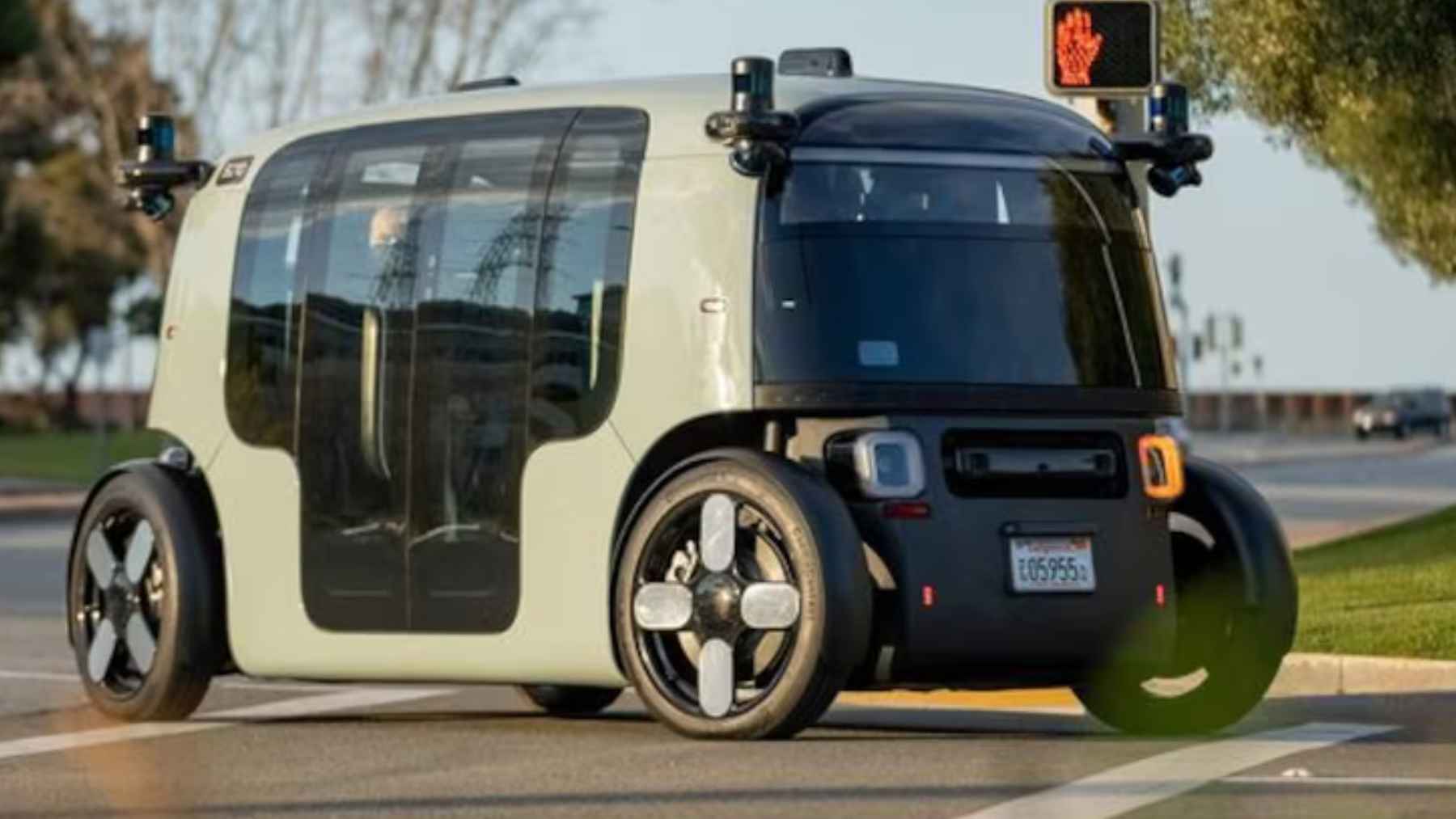
The National Highway Traffic Safety Administration has opened a public comment process tied to Zoox’s push to deploy robotaxis that do not have a steering wheel, brake pedals, or mirrors. It sounds like a design choice, but it is really a legal stress test for safety rules written around human drivers.
At the end of the day, this is about whether the United States can build a predictable pathway for fully driverless fleets without lowering the safety bar. And if it cannot, the industry will keep running into the same problem: the technology keeps moving forward, while the paperwork stays stuck in yesterday.
A robotaxi built for a world without drivers
Zoox is not asking to modify a conventional car. It is asking regulators to treat a purpose-built robotaxi as legitimate even though it does not fit the assumptions baked into the rulebook.
The agency’s request for comments is one more sign that regulators are trying to modernize the process, not just handle one company’s application.
That broader shift matters for anyone tracking transportation innovation, from high-speed rail to advanced passenger vehicles that depend on software as much as steel.
Eight standards and one uncomfortable reality
The key issue is not “no steering wheel” by itself. It is that the Federal Motor Vehicle Safety Standards were largely designed with a human driver in mind, including visibility requirements and controls that assume someone is physically operating the vehicle.
That is why Zoox is seeking exemptions from multiple standards at once. In practical terms, that includes areas that matter in everyday life, like defogging and wiping systems for the kind of rainy commute where everyone relies on clear glass to get home safely.
Regulators have been trying to make this process less of a bottleneck. NHTSA has pointed to changes aimed at a faster, more consistent exemption pathway in its own announcement about streamlining the exemption process, especially for vehicles that do not use traditional driver controls.
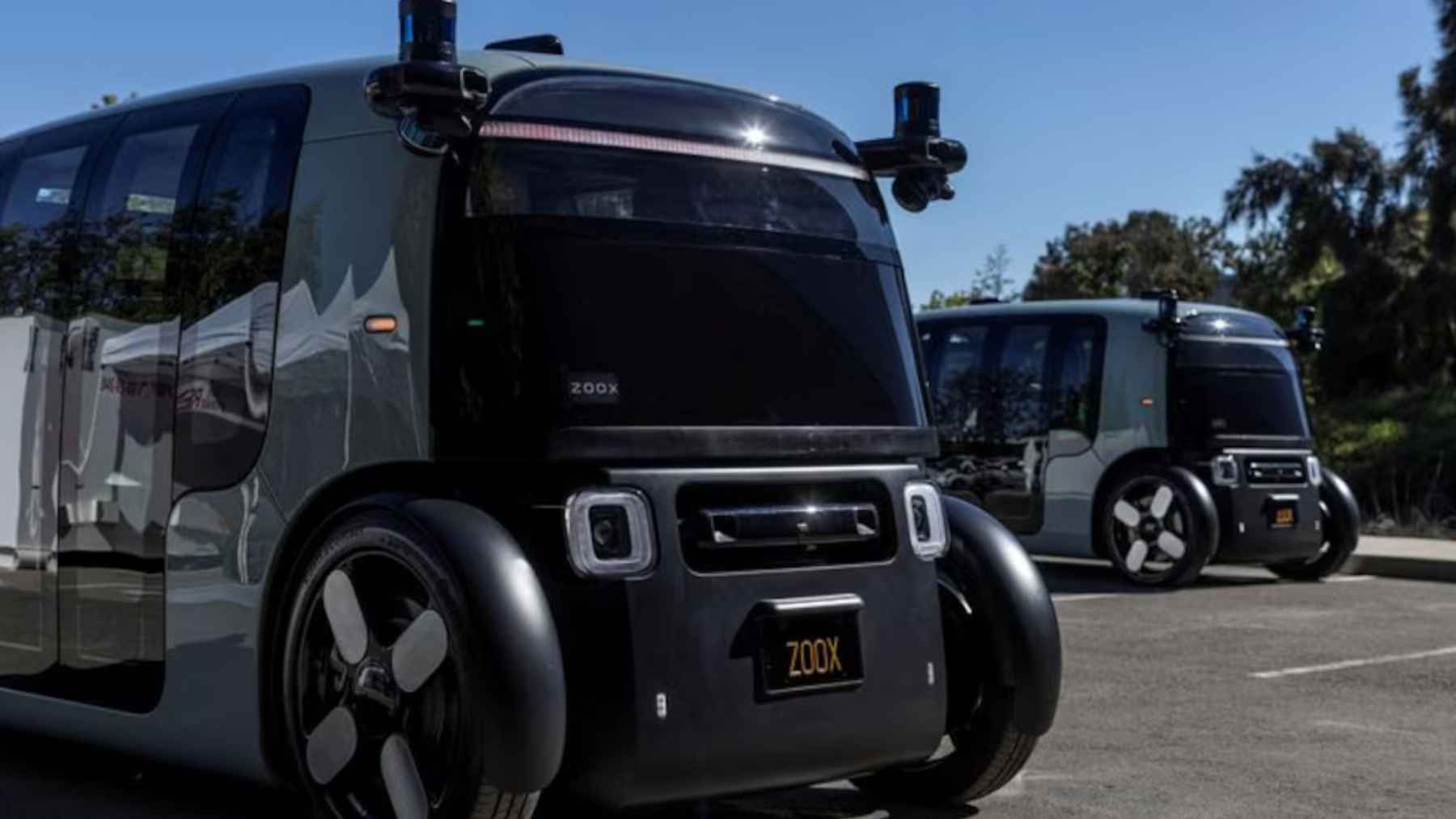
The interior of a Zoox robotaxi highlights its fully autonomous design, removing traditional controls in favor of a driverless passenger experience.
The business math behind the 2,500 vehicle-ceiling
Even if Zoox gets what it wants, there is a built-in limit that shapes everything. Under current authority, exemptions are tied to relatively small annual volumes, which can be enough to prove a service model in one city, but not enough to scale quickly across the country.
That is why industry watchers keep comparing “pilot scale” to “real scale.” Waymo, for example, says it has passed 200 million autonomous miles and, in its own reporting, is now delivering more than 400,000 rides provided every week across multiple metro areas.
There is also the trust problem, which is not abstract. The more vehicles depend on connectivity and sensors, the more the public wonders what else those systems might reveal, which is part of why research on things like a tire sensor quietly acting as a tracking beacon hits a nerve.
What the public can actually weigh in on
The comment window is not just a formality. It is where safety advocates, competitors, and local officials can argue what “equivalent safety” should mean when there is no driver to grab the wheel, and those views go into the record through the public docket.
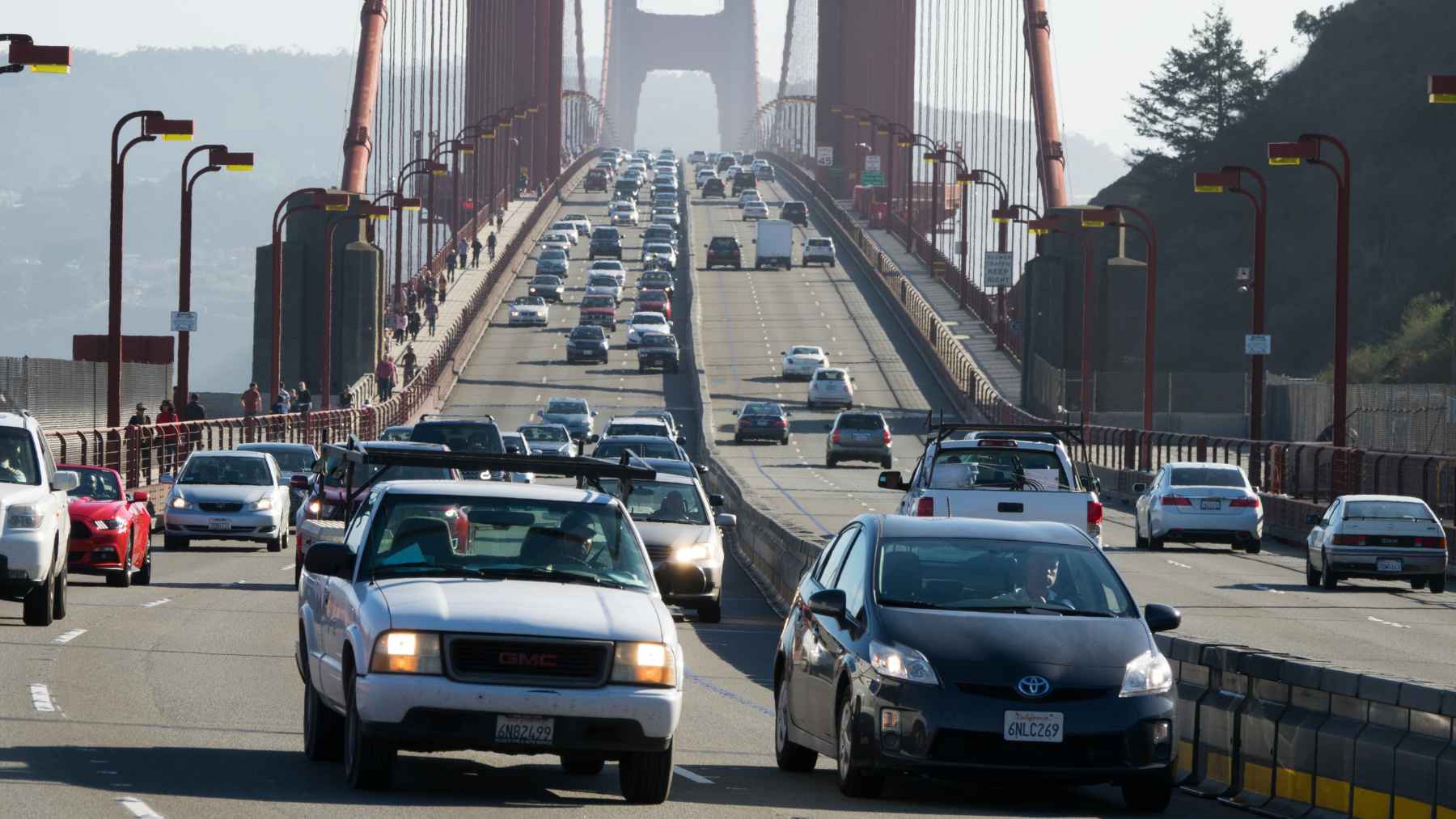
That debate is also happening while the U.S. is still dealing with the baseline danger of the roads we already have. NHTSA’s latest estimate says 39,345 people died in U.S. traffic crashes in 2024, which is the grim context behind every promise that automation could reduce human error.
The other point to watch is how federal rules interact with state realities, since vehicle policy fights do not stay in Washington.
Between emissions battles tied to electric cars and the way states enforce their own rules on everything from taxes to registration, even a highly technical exemption can end up colliding with local politics, including disputes as basic as license plate enforcement.
The official statement was published on FederalRegister.gov.