A family assembling a German-style timber-frame home by hand may look like a small residential story. But it points to a much bigger issue in construction right now.
As governments and builders search for cleaner ways to put up houses, wood-based systems are getting fresh attention because the building sector still consumes 32 percent of global energy and accounts for 34 percent of global CO2 emissions, according to UNEP. Materials such as cement and steel also remain a major climate problem on their own.
How this family-built German-style timber home comes together
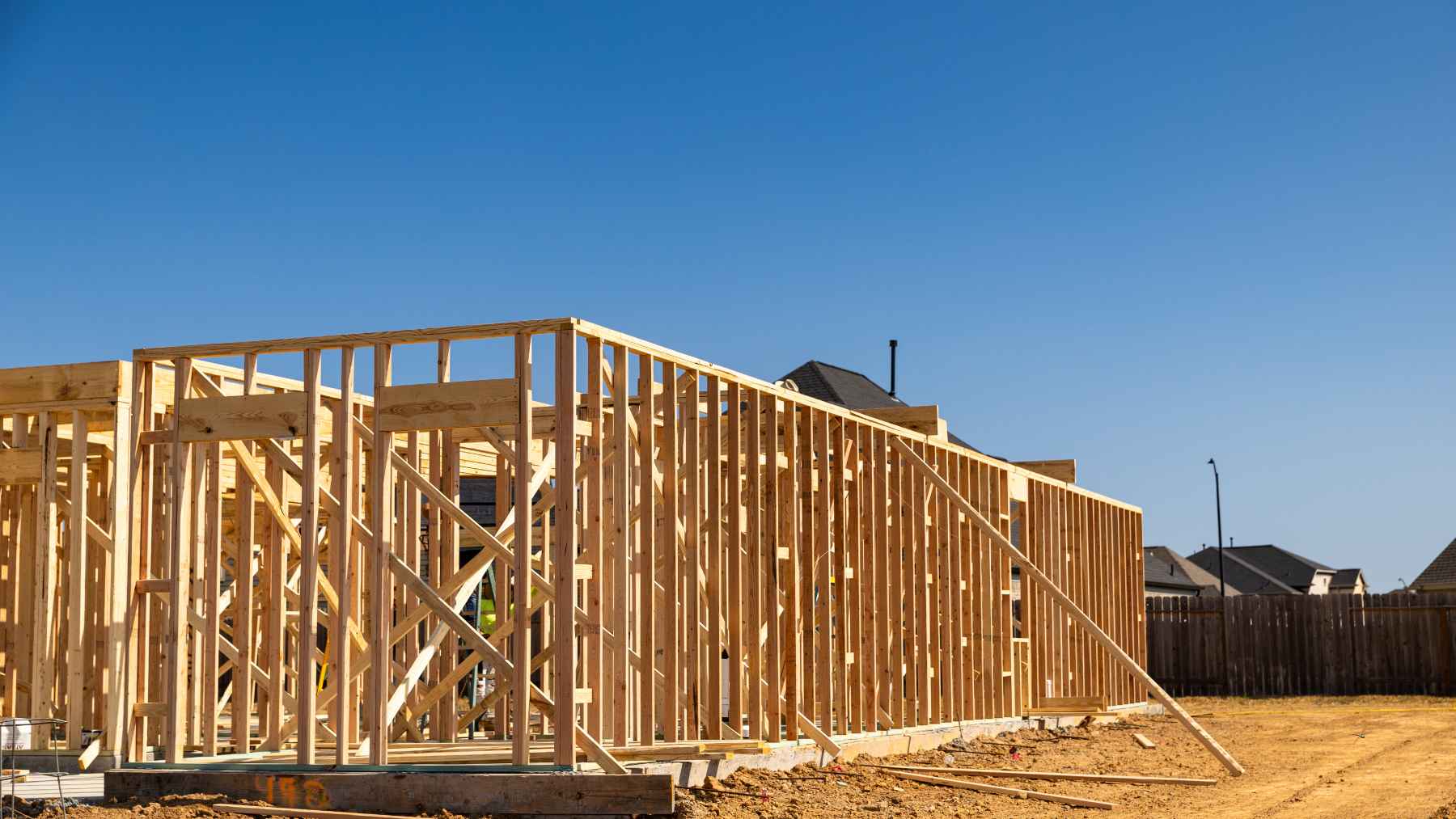
That helps explain why this kind of project matters. In the build described in the source material, the home rises piece by piece with structural timber, expanding foam, metal hinges, screws, and carefully aligned panels. Concrete pillars support the base, then thick wooden beams, vertical posts, and cross members create the frame.
It is traditional in appearance, but the method feels highly modern. Precise. Systematic. Almost like putting together a full-scale kit, only with far heavier parts and no room for error.
And that is the real point. For the most part, greener construction is no longer just about solar panels on the roof. It starts with the bones of the building.
Timber construction, lower emissions, and offsite building methods
Timber construction has become part of that conversation because wood can reduce embodied emissions when it replaces more carbon-intensive materials, especially when forests are managed sustainably. Official European and international sources also point to another practical advantage.
Prefabricated and offsite construction methods can speed up assembly, improve quality control, and cut waste. The European Commission said in January 2025 that wider use of offsite methods can reduce costs and accelerate housing delivery, while also cutting production and manufacturing waste by around 10 to 15 percent.
Also Read: Treasury moves to end IRS union contracts
In practical terms, that means less mess on site, fewer material losses, and potentially fewer trucks, delays, and noisy repeat jobs that neighbors know all too well.
The environmental limits of wood as a building material
Still, there is a catch. Wood is not automatically a climate win. Experts and official agencies have repeatedly stressed that the environmental case depends on responsible forestry, strong supply chains, and smart design over the full life of the building.
If forests are poorly managed, the green promise weakens fast.
What this timber-frame house says about the future of housing
So what does this family-built house really show? That the future of housing may be more hands-on, more engineered, and more material-conscious than many people realize.
A timber frame, some metal connectors, and careful assembly may not sound revolutionary. But in a warming world, even the way a wall goes up can start to matter a lot.
The official report was published on UNEP.