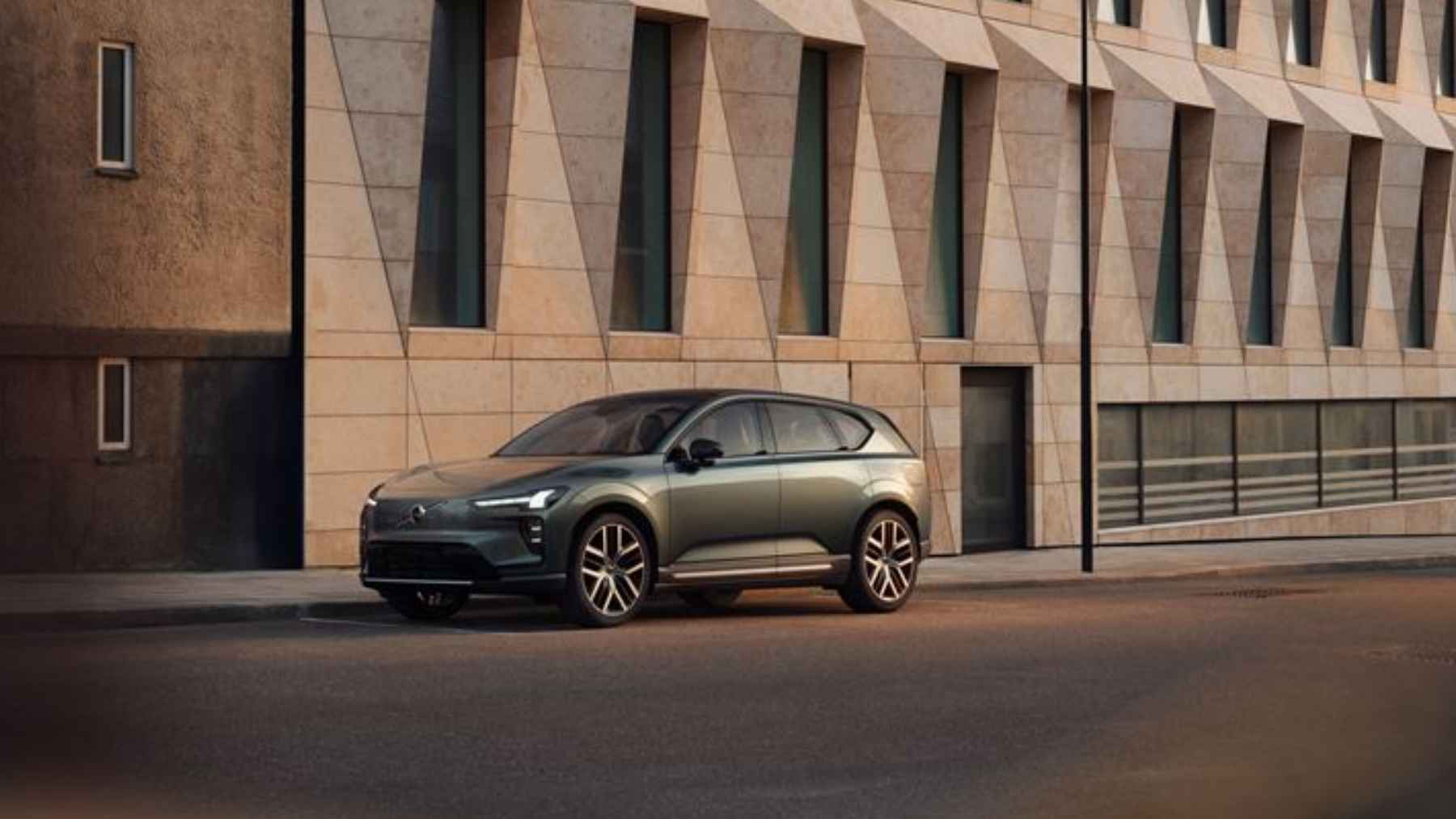
Volvo Cars says it will discontinue its EX30 and EX30 Cross Country in the United States later this year, with U.S. sales ending after the 2026 model year. For shoppers who wanted a smaller electric SUV from a brand known for safety, the news lands like a sudden “out of stock” sign.
It is also a reminder that America’s EV lineup is being shaped as much by trade rules and policy shifts as by batteries and motors. If the point of an entry-level EV is to make daily driving simpler and cheaper, what happens when the rules keep moving?
What Volvo is changing
The company says the EX30 will remain available in other markets, including Canada and Mexico, even as the U.S. version winds down. That cross-border split is unusual in a North American market that often shares vehicles and platforms, and it hints at how local economics are starting to matter more than “global” model plans.
In 2025, Volvo sold nearly 5,400 EX30s in the U.S., about 4.4% of its overall U.S. sales, according to Reuters. That is not a blockbuster number, but it is big enough to show real demand for a smaller, more affordable EV in a showroom full of larger SUVs.
The squeeze on entry-level EVs
When the EX30 was introduced in 2023, Volvo pitched it as a small SUV built to bring the EV price point down while keeping the brand’s design and safety feel. At its launch, then-CEO Jim Rowan called it a “small SUV doing Volvo things,” a neat way to say compact did not have to mean compromised.
Volvo Car USA later priced the 2026 EX30 Single Motor in the U.S. starting at $38,950 and unveiled the EX30 Cross Country variant for buyers who like a tougher look. Still, “affordable” in the EV world is a moving target, especially when monthly payments and incentives shift.
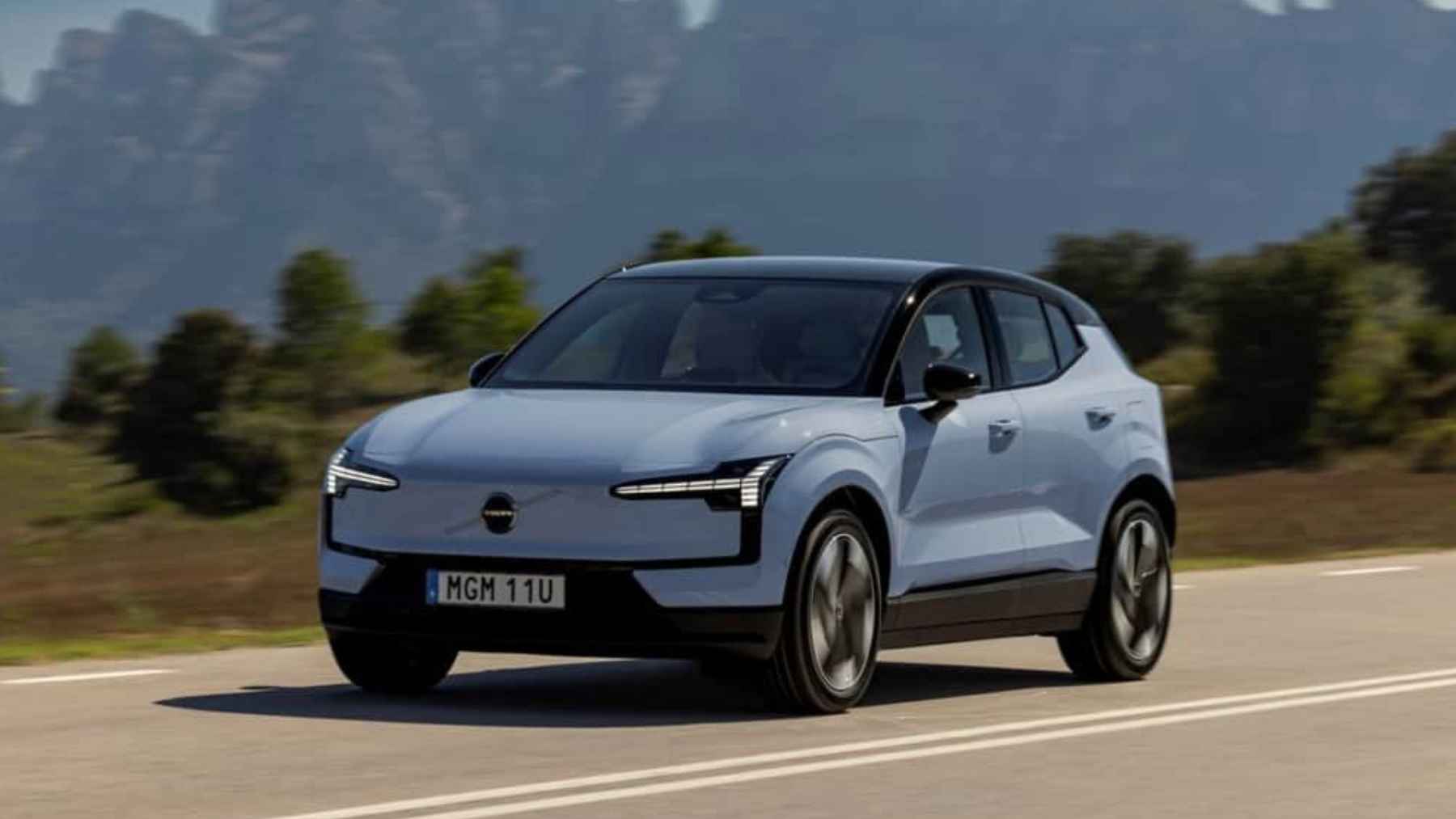
The Volvo EX30, once positioned as an affordable entry into electric mobility, will be discontinued in the U.S. after the 2026 model year.
Tariffs and policy whiplash
A car can look reasonable on paper, then feel expensive once you add insurance, the home charger, and that higher electric bill during sticky summer heat when everyone is running the AC. That is where policy swings start to show up in real life, and where a company’s spreadsheet starts to matter as much as the spec sheet.
Volvo has linked its recent performance to tariffs and other headwinds, and it is not alone. In an official sales update covering December 2025 through February 2026, Volvo Cars reported global sales of 156,965 vehicles, down 10% from a year earlier.
In that same period, fully electric vehicle sales rose 18 percent and made up 25% of total volume, while electrified vehicles including plug-in hybrids accounted for 49%. The message is mixed: demand for electric is still there, but the business case is getting tougher, particularly in markets where import costs are changing.
A market that is cooling fast
The EX30 decision is arriving as the global EV market shows fresh signs of strain. Global EV registrations fell 11% in February 2026 to just over one million, according to data cited by Reuters, with China posting a 32% year-over-year drop and North America down 35%.
Those kinds of swings matter because they hit the exact part of the market the EX30 was built for. Entry-level EVs rely on volume and predictable costs, not just big margins, so even a small hit from tariffs or lost incentives can turn a promising model into a headache for automakers and dealers.
What Volvo seems to be betting on next
Volvo is not backing away from electrification overall, at least by its public messaging. In a statement shared with multiple outlets, the company said its commitment to electrification and U.S. customers “remains unchanged” and pointed to upcoming products like the all-new EX60 and the upgraded EX90.
On the same day, Volvo also said it is increasing 2026 production volumes for the fully electric EX60 on the back of strong customer demand in Sweden and other key markets.
That pivot makes business sense in a cautious market, even if it leaves fewer choices for buyers who just want a practical commuter.
The press release was published on Volvo Cars.