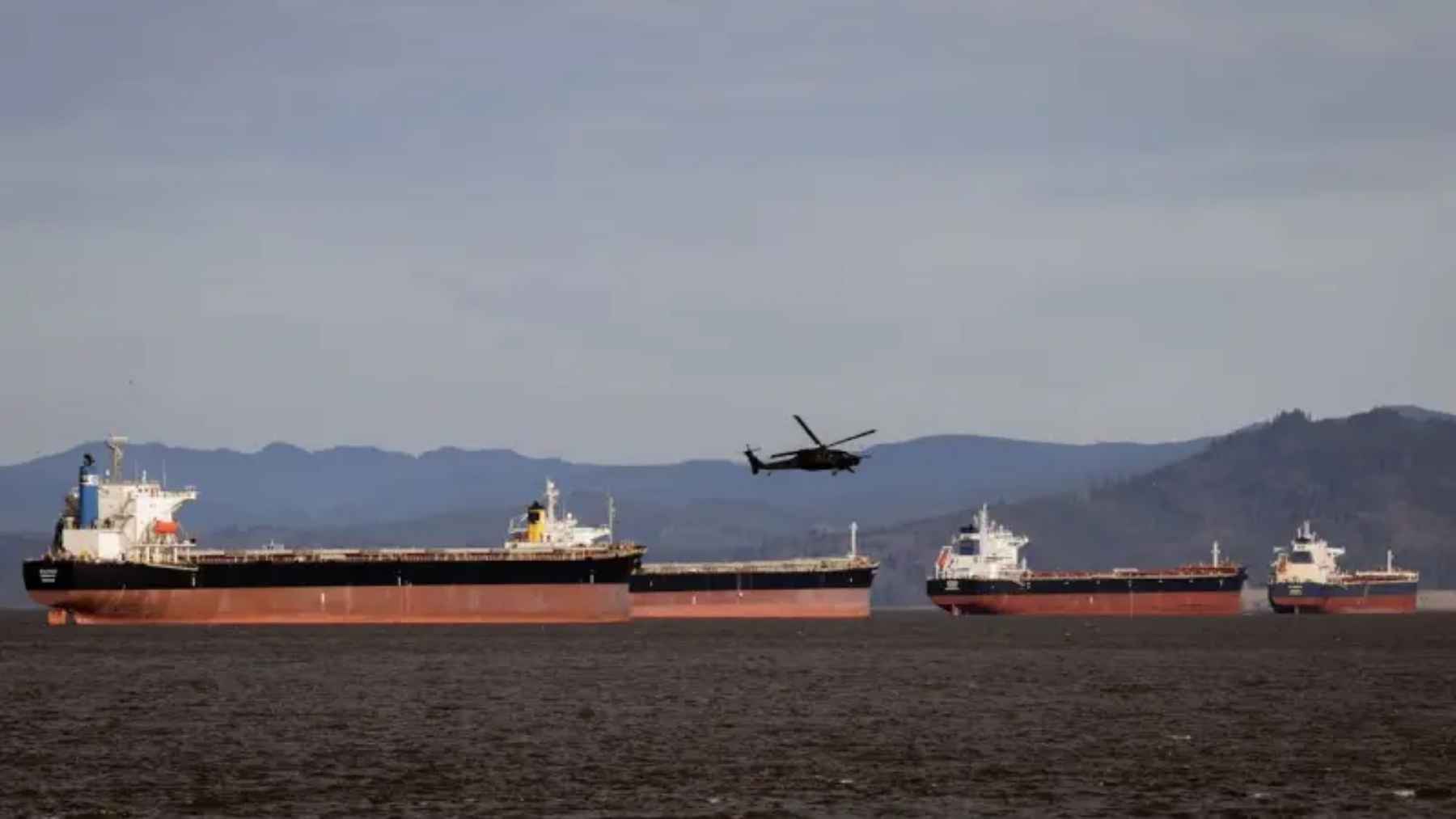
Malaysia has seized more than RM512 million (about US$129.9 million) worth of crude oil after detaining two tankers suspected of carrying out an illegal ship-to-ship transfer off Penang.
Authorities said the vessels were found anchored side by side about 24 nautical miles west of Muka Head, and two captains were arrested for further investigation. The agency did not disclose where the oil came from.
Why ship-to-ship transfers draw scrutiny
That missing detail matters. Ship-to-ship transfers are widely used in legitimate trade, but they can also help obscure the origin of oil cargoes, especially in waters where oversight is harder once ships move away from port.
For the most part, that is why maritime enforcement agencies treat these cases as more than a paperwork issue. They can point to bigger questions about sanctions evasion, smuggling, and the murky trade routes that keep global energy moving out of public view.
The crews, the vessels, and the investigation
In this case, Malaysian officials said 53 crew members were onboard the two tankers, with nationals from China, Myanmar, Iran, Pakistan, and India among them. The seized vessels themselves were valued at RM718 million, according to the Malaysian Maritime Enforcement Agency.
Officials said the ships are being investigated for anchoring without permission and for carrying out unauthorized transfer activity at sea.
Why this matters beyond the water
Why should ordinary readers care about something that happened far offshore? Because the oil market does not stay offshore.
When crude moves through opaque channels, the effects can ripple outward through shipping insurance, compliance costs, and energy pricing. In practical terms, that can feed into the price of doing business and, eventually, the bills people notice in everyday life.
Malaysia’s tougher enforcement signal
Malaysia had already signaled a tougher line on these transfers last year, saying it would tighten enforcement around the practice. This latest seizure suggests that warning was not just talk.
It also shows how Southeast Asian waters remain a key frontline in policing maritime trade that can look routine on the surface but raise red flags once authorities take a closer look.
What investigators still need to find out
A big seizure grabs attention. The harder part comes next. Investigators now have to determine where the crude originated and whether this was an isolated violation or part of a broader pattern of suspicious maritime oil movement.
The official statement was published on the Malaysian Maritime Enforcement Agency.