Airport security lines are usually just another travel headache. But when they stretch long enough to turn a routine trip into a missed flight, politics suddenly feels personal. That is why the Senate has moved to strip lawmakers of any special shortcut through Transportation Security Administration checkpoints.
The proposal, led by Sen. John Cornyn of Texas, passed the Senate by unanimous consent and would bar federal funds from providing preferential screening access for members of Congress.
It comes as TSA staffing shortages during a partial Department of Homeland Security shutdown have fueled delays that, in Houston, have surged beyond four-hour waits at times. The Senate is targeting the VIP lane, but the bigger crisis is the funding fight that is starving the security workforce.
What the Senate bill would change
Cornyn’s measure would require lawmakers to use the same TSA screening procedures as everyone else and would prohibit preferential access tied to elected office. The bill is explicit about blocking exemptions from passenger or baggage screening and stopping priority passage through checkpoints based on status.
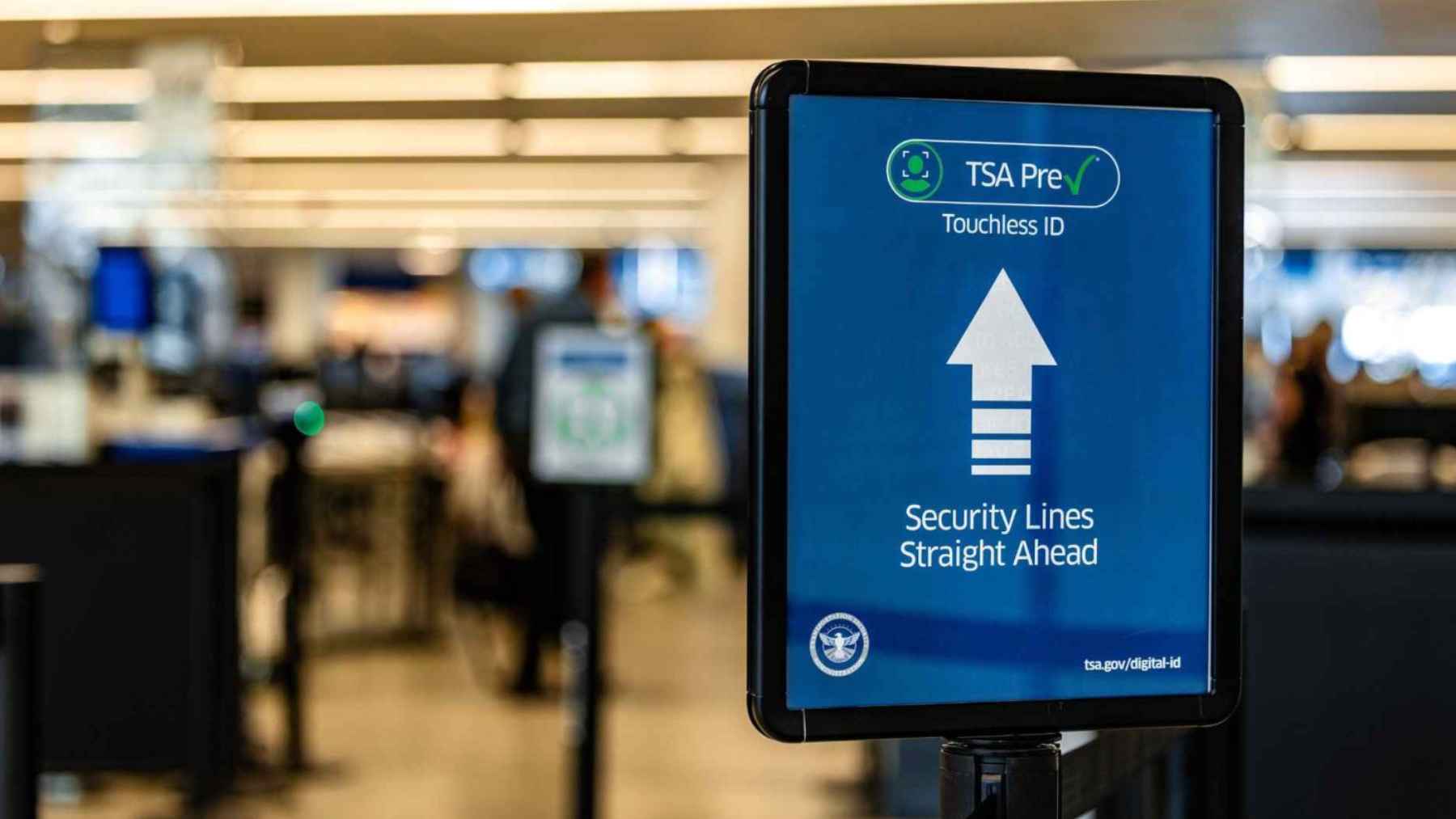
It would still allow programs open to the public, including TSA PreCheck or Global Entry, as long as access is not connected to holding office. That line matters because it separates risk-based security tools from perks that look like political privilege.
For now, the bill is not law. It still needs House approval and a presidential signature, and TSA would have to update policies and report back within 180 days.
The shutdown that turned airports into bottlenecks
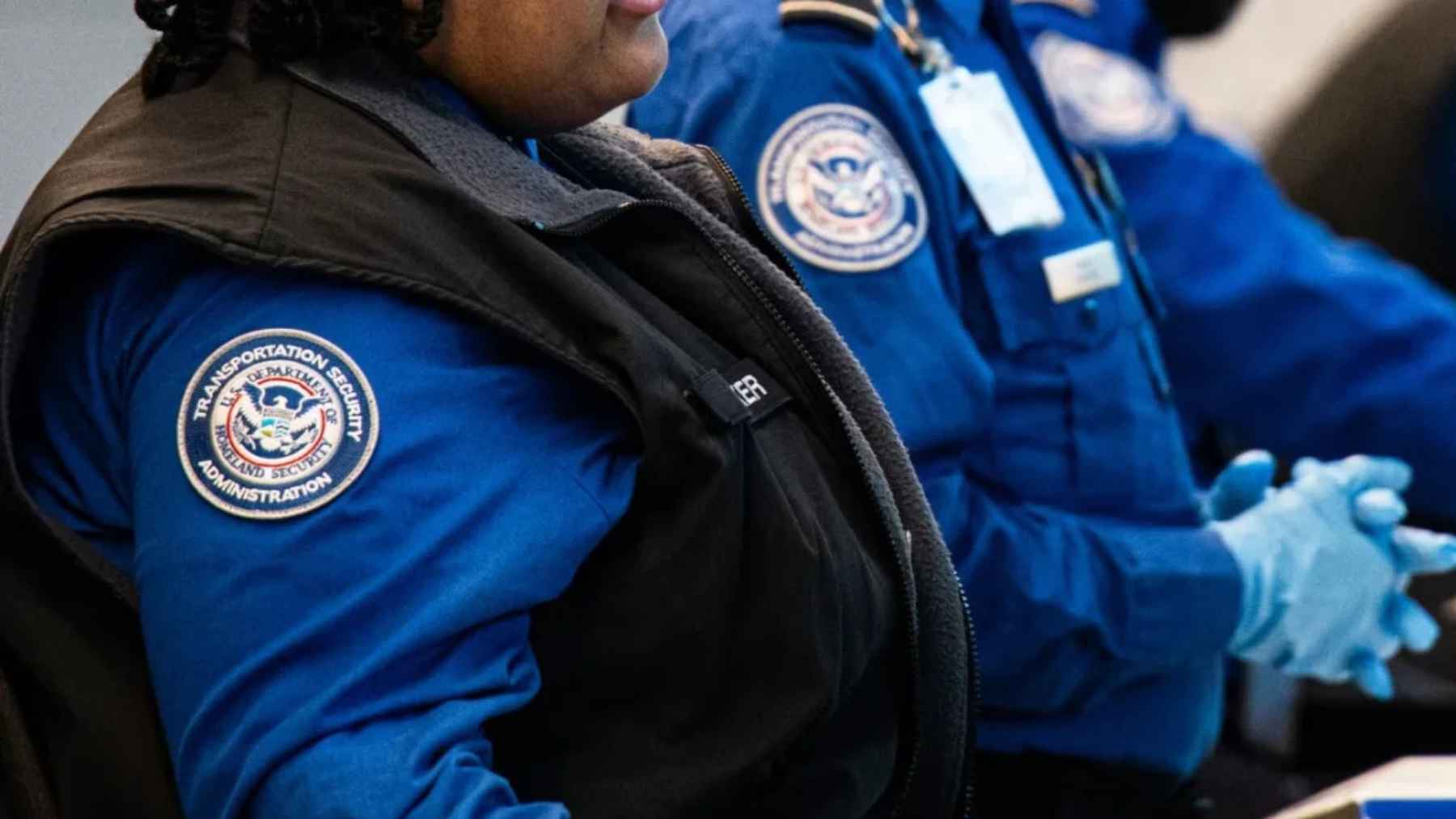
The immediate backdrop is a partial Homeland Security shutdown that has left TSA officers working without pay for more than five weeks. Reuters has reported that roughly 50,000 TSA security officers are affected, and airport leaders warn the disruption could be “significant, growing, and potentially long lasting.”
Cornyn’s office says “no less than 120,000” DHS employees have missed paychecks, and he points to longer lines, delays, and missed flights. On the ground, you see closed lanes and fewer screeners, plus that slow shuffle forward while your coffee goes cold.
The staffing stress is visible in attendance data. DHS told Reuters that nearly 12% of TSA officers, more than 3,450 people, did not report to work on a recent Sunday, and more than 400 have resigned since the shutdown began. Houston-area reporting has also cited call-out rates above 40% at major airports.
Airlines and airports are pushing back
This is not just a passenger experience story. It is also a business and infrastructure story, and the private sector is starting to apply pressure. Delta Air Lines said it will temporarily suspend special services for members of Congress, including airport escorts and other VIP treatment.
Delta said “Next to safety, Delta’s no. 1 priority is taking care of our people and customers,” and argued the shutdown has made that harder. CEO Ed Bastian called the situation “inexcusable” and said TSA officers are being used as “political chits.”
Airports are warning that the damage could outlast the shutdown itself. More than 100 airport leaders urged Congress to end the standoff, pointing to growing operational disruptions and longer-term risks for staffing and schedules.
ICE at checkpoints and the security tradeoffs
President Donald Trump has deployed Immigration and Customs Enforcement agents to more than a dozen airports to help with crowd control. Reuters reported deployments to around 14 airports and said ICE personnel are not being used behind checkpoints because they lack the clearance for that role.
The move is politically charged, and it is operationally messy. Trump said ICE agents could make immigration arrests but added that “that’s not why they’re there” and that they are “really there to help.” TSA workers and their representatives have objected, arguing that the job requires specialized aviation security training.
There is also an awkward pay divide. Many ICE personnel are still being paid while TSA staff are not, and that gap can crush morale in a job built on routine and vigilance. When the workforce frays, the worry is not only longer lines, but a weaker security posture around critical infrastructure.
Fairness is the headline, trust is the subtext
Cornyn’s argument is simple and aimed at travelers. He says most Americans do not realize lawmakers can get expedited treatment, calls it “an unfair perk,” and adds that “they get to skip the line.”
Airport screening already has tiers, and that complicates the politics. Travelers can use trusted traveler programs or private lane services where available, and those options do not always feel fair either. Still, there is a difference between public programs and a shortcut tied to political office.
Will ending the congressional fast lane fix four-hour waits by itself? No, and nobody is seriously claiming it will. What it can do is remove a symbol of exemption at the exact moment the public is watching the system strain.
What happens next
The bill is only one track in a wider scramble to reopen Homeland Security funding. AP reports that senators are discussing a framework that would fund much of DHS, including TSA, while excluding certain ICE enforcement operations that have been central to the dispute.
Democrats are also pressing for guardrails such as body cameras and clearer identification for immigration officers.
Whether that deal materializes will shape what happens at airports more than any one perk ending. Paychecks arriving on time would do more for security lines than any new rule about who gets to go first.
In the meantime, travelers are living with uncertainty, especially during spring travel. Expect checkpoint capacity to change hour by hour as staffing shifts, and plan for longer waits than usual even if you did everything right.
The press release was published on Senator Cornyn.