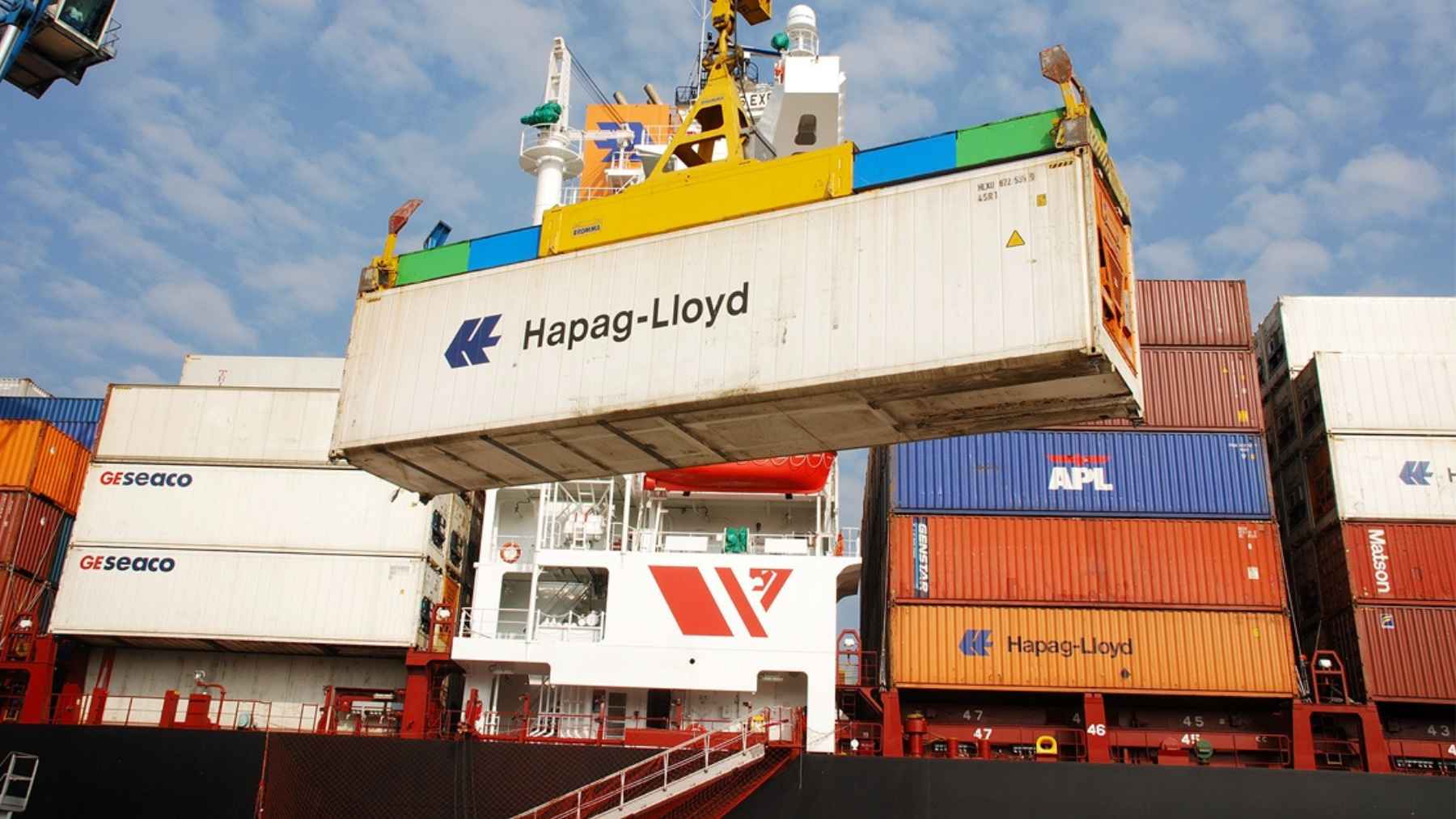
What does a customs bond have to do with the energy transition? Quite a bit. According to U.S. Customs data cited by CNBC, CBP identified 27,479 customs bond “insufficiencies” in fiscal 2025 worth nearly $3.6 billion, a record total and almost double the 2019 level.
When a bond no longer covers the duties an importer owes, cargo can be held until the importer posts more security. That may sound like dry trade paperwork, but for solar and storage projects it can become a real supply chain problem.
Why the jump? The math is blunt. CBP says a continuous bond is generally set at 10 percent of duties, taxes, and fees paid over a 12 month period, with a $50,000 minimum.
If tariff bills rise fast, the bond often has to rise with them. In practical terms, that means more cash tied up, more pressure from insurers, and a bigger chance that goods sit at the port instead of moving to a factory, warehouse, or job site.
Why the environmental angle matters
This lands at a delicate moment for U.S. energy growth. The Energy Information Administration says developers plan to add a record 86 gigawatts of utility-scale generating capacity in 2026. Solar alone makes up 43.4 gigawatts, or 51 percent of the total, while battery storage accounts for another 24 gigawatts.
In other words, the country is trying to move a huge amount of energy hardware onto the grid, fast. A financing snag at the border is not just a customs issue. It can turn into a project timing issue, and eventually a cost issue too.
Solar is already in the trade crossfire. The Commerce Department said in April 2025 that solar cells from Cambodia, Malaysia, Thailand, and Vietnam were being dumped into the U.S. market and receiving subsidies. A month later, the USITC determined that those imports injured or threatened U.S. industry, clearing the way for duty orders.
Reuters reported that those four countries had supplied more than $10 billion in solar products to the United States in 2024 and accounted for most domestic supply. That is the tension in plain English. Washington wants stronger domestic manufacturing, but developers and factories still need equipment to keep projects moving.
Trump tariffs, Section 122, and what comes next
There is one important nuance. After the Supreme Court struck down certain Trump tariffs imposed under IEEPA, the White House replaced them with a temporary 10 percent import duty under Section 122 for up to 150 days, while exempting some critical minerals, energy products, and fertilizers.
So not every climate-related import faces the same hit. But the broader warning remains. Trade policy is now shaping environmental supply chains not just through tariff rates, but through the cash importers must lock up before a shipment even leaves the dock.
The official statement was published on the White House website.