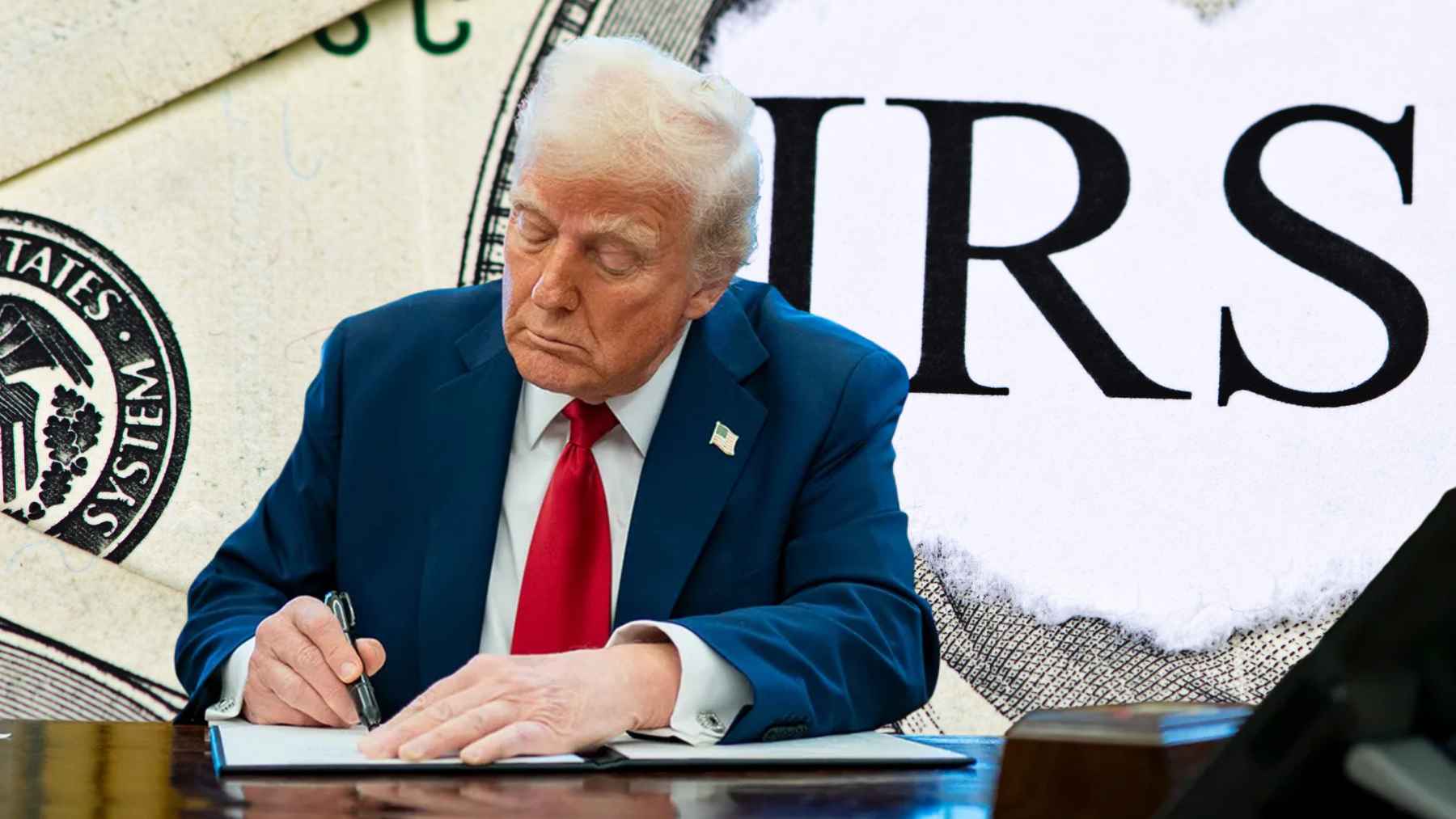
The U.S. Treasury Department has terminated collective bargaining agreements covering unionized workers at the IRS and the Bureau of the Fiscal Service, opening a new front in President Donald Trump’s effort to reshape the federal workforce.
For workers, this is not some distant Washington fight. It could affect how workplace disputes are handled, how employees negotiate with management, and how much say unions keep inside two agencies tied closely to tax collection and government payments.
In practical terms, that means changes that could ripple far beyond office walls.
IRS union contract termination draws immediate pushback
Treasury told IRS employees the move would support “one IRS” working as a more collaborative team focused on taxpayers, according to a letter viewed by The Associated Press.
But the National Treasury Employees Union pushed back fast, saying the agency cannot simply walk away from an existing contract.
That clash matters because the NTEU represents roughly 150,000 employees across 37 federal departments and agencies. So while the immediate decision centers on Treasury offices, the broader signal is hard to miss.
This looks, to a large extent, like a test of how far the administration can go in weakening federal union protections.
Trump executive order and OPM memo shape the Treasury decision
The legal backdrop is just as important. Treasury relied on an executive order signed by Trump in March 2025, then followed a February 2026 memo from the Office of Personnel Management directing covered agencies to move ahead with terminating or modifying collective bargaining agreements.
That memo told agencies to notify unions and affected workers, then report the status of those terminations to OPM each month.
What the Treasury union contract fight could mean for taxpayers
Supporters of the move argue that union rules can slow down changes inside agencies that handle sensitive or mission-critical work. Critics warn the opposite could happen.
They say stripping away bargaining rights may damage morale, increase staff friction, and make it harder to retain experienced workers in offices that already handle complex, high-pressure tasks.
And that is where this story gets bigger than labor law. The IRS is central to tax enforcement and taxpayer services. The Bureau of the Fiscal Service processes payments for the federal government. If relations between management and staff deteriorate, the risk is not just internal tension.
It could show up in the kind of thing ordinary people actually notice, from delayed responses to added bureaucratic friction.
Legal battle over IRS and Treasury union contracts is not over
For now, the fight is far from over. The union has already challenged Trump’s executive order in court, and more legal battles are likely as agencies keep moving to comply.
The official memorandum was published on OPM.