Federal prosecutors say three people linked to AI server maker Super Micro Computer helped move at least $2.5 billion in U.S. AI server technology to China in violation of export laws. The indictment reads like a logistics thriller, complete with repackaged shipments, staged audits, and even a hair dryer used to shift labels onto “dummy” servers.
Two defendants were arrested and a third remains a fugitive, according to the Department of Justice. Super Micro says it is not named as a defendant and is cooperating, but the case is already raising a blunt question across the industry about whether today’s compliance playbook can keep up with the speed of the AI boom. Can it?
What prosecutors allege
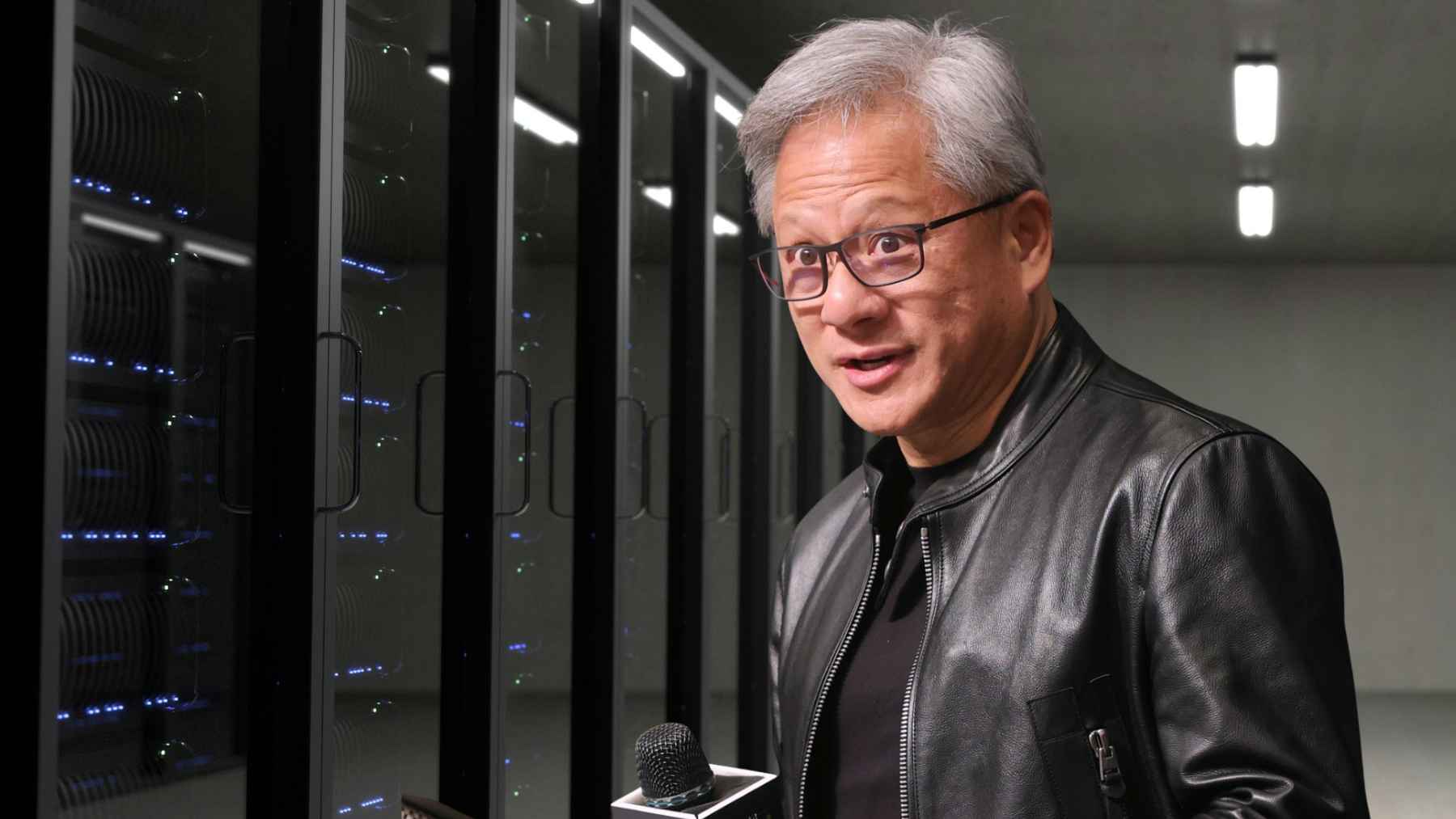
The DOJ says the defendants are Yih Shyan “Wally” Liaw, Ruei Tsang “Steven” Chang, and Ting Wei “Willy” Sun. In court filings, Liaw is described as a co-founder and senior executive at a publicly traded U.S. server manufacturer, Chang as a manager tied to its Taiwan office, and Sun as a third-party broker.
Prosecutors say a Southeast Asia-based intermediary described as “Company 1” placed large orders for servers that integrate controlled AI graphics processing units, then routed the hardware through Taiwan before it moved onward.
According to the U.S. Attorney’s Office in Manhattan, Company 1 bought about $2.5 billion worth of servers in 2024 and 2025, and at least about $510 million was diverted to China from late April 2025 to mid-May 2025.
The alleged cover story depended on paperwork and theater. DOJ officials say the group prepared false documents, repackaged systems into unmarked boxes, and staged thousands of “dummy” servers to satisfy both internal audits and a Commerce Department inspection.
Why Washington cares
U.S. export controls on advanced computing items bound for China date back to October 2022, and the Commerce Department later updated the framework in October 2023. Those updates explicitly aimed to reduce circumvention through third countries, which is the exact pressure point prosecutors describe in this case.
It also helps explain the tone of the official statements. One DOJ leader said the case involves “convoluted transshipment schemes” designed to hide the true destination, while the U.S. attorney in the district called it “a tangled web of lies, obfuscation, and concealment.”
Where a scheme like this can hide
In practical terms, export controls do not end at the chip. A server that integrates restricted components can become a controlled product, and then the weak link shifts to warehouses, freight forwarders, and the people who decide what goes on the shipping label.
That is why the “hair dryer” detail has landed so hard. If a sticker and a serial number can be moved from one chassis to another, a compliance check that relies on visual inspection is suddenly on shaky ground, the same way a mislabeled online return can send a package to the wrong place.
Prosecutors say surveillance video captured the preparation of dummy servers for inspection.
None of this means normal routing through Taiwan or Southeast Asia is suspicious by itself. But it does suggest that companies selling high-end AI systems may need tighter controls around intermediaries, inventory verification, and what happens when hardware leaves a factory and hits the real world.
Market reaction and corporate response
Super Micro has been careful to draw a bright line between the company and the individuals charged. In its statement, it said it put two employees on administrative leave, cut ties with the contractor, and called the alleged conduct a contravention of its policies and compliance controls.
Investors still treated it as a corporate risk event. Reuters reported the shares fell about 8% after hours when the news broke, then dropped about 28% the next day, a move that could erase more than $5 billion from its market value if sustained. Reuters also reported that Liaw resigned from the board and that the company named DeAnna Luna as acting chief compliance officer.
Nvidia, whose chips power much of the AI server market, said “strict compliance” with export laws is a top priority and that it does not provide service or support for unlawfully diverted systems. For the wider ecosystem, this is a reminder that reputational damage can spread faster than a shipment ever could.
What comes next
The defendants are charged with conspiracy counts that include violating the Export Control Reform Act, smuggling goods from the United States, and defrauding the United States, and prosecutors list a maximum of 20 years on the most serious count.
Like any indictment, these claims still have to be tested in court, and the DOJ emphasizes they are allegations.
For businesses, the near-term question is not only legal. It is whether customers, partners, and regulators will demand more proof of where high-end AI hardware ends up, even if that slows deliveries and adds friction to deals.
It is likely to bring more scrutiny to the middle layer of the AI supply chain, the resellers, brokers, and logistics routes that sit between a U.S. factory and an overseas data center.
The press release was published by the U.S. Department of Justice.