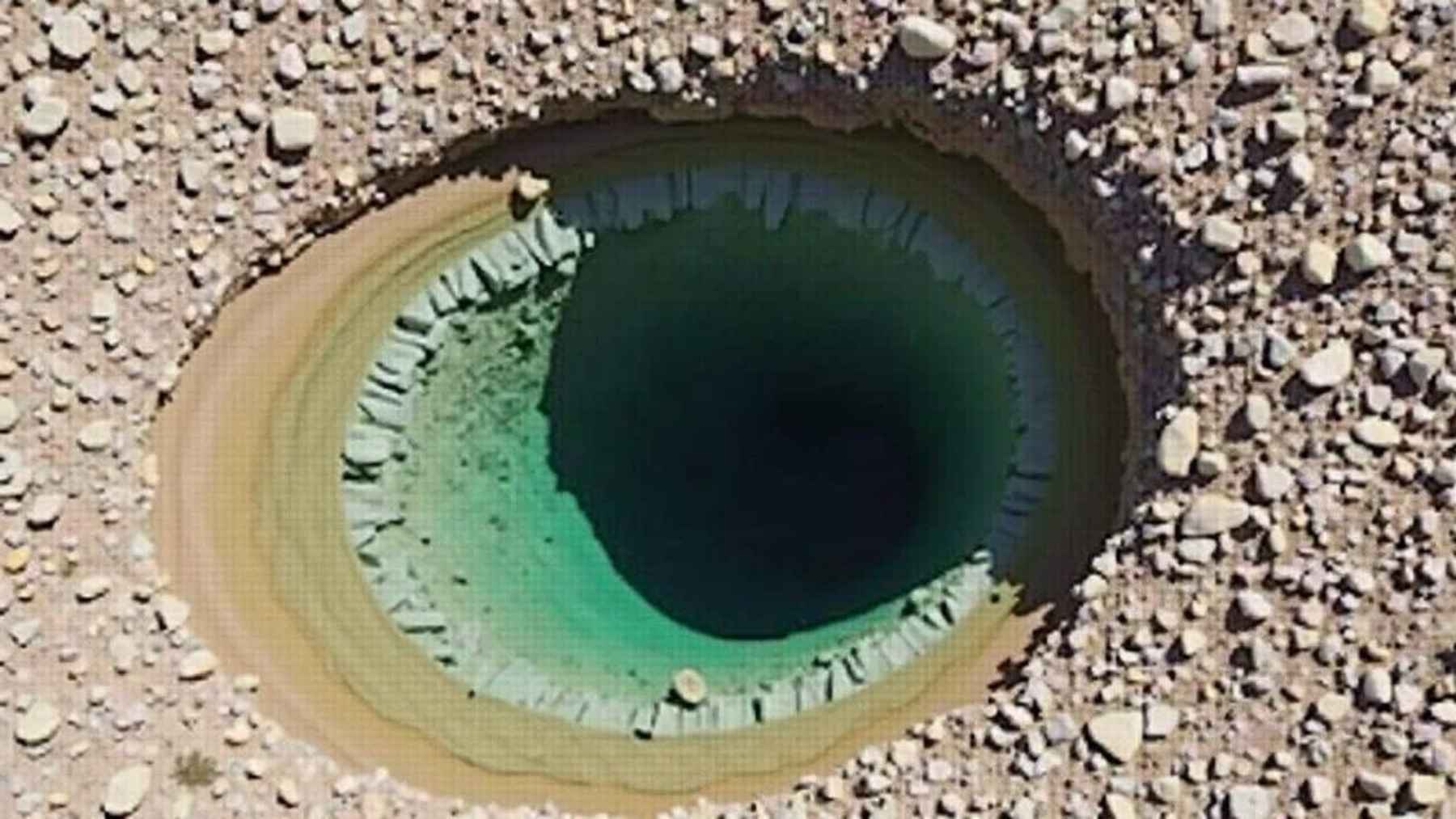
What looked like a bare patch of ground in a Queensland cattle paddock turned out to be a serious methane leak.
University of Queensland researchers found that one abandoned coal exploration borehole was releasing about 235 metric tons of methane a year, roughly the same climate impact as 10,000 new cars driving 12,000 kilometers annually (about 7,500 miles).
The bigger story is what this says about the holes nobody is watching. UQ says there may be about 130,000 similar legacy boreholes across Queensland.
Methane emissions from legacy boreholes
The team used a trailer-mounted Quantum Gas LiDAR system and tracked emissions continuously for seven days and six nights, making this the first longer-term measurement of methane from an abandoned coal exploration borehole.
The paper classified the site as a “super-emitter,” and UQ also documented another legacy hole lifting water and methane to the surface before it was sealed. In practical terms, some forgotten bores can still act like open vents decades later.
So how many more are out there? Researchers were careful not to overstate the case. They said most abandoned bores probably are not major emitters. But even a small fraction leaking at high rates could still create a sizable source of greenhouse gas that barely appears in public debate or emissions tracking. That is why this story is about more than one hole in one field.
Queensland rules on sealing legacy boreholes
There is also a policy and money question sitting underneath it. Queensland’s official guidance says companies drilling bores today must close them out properly, including cementing casings and isolating aquifers.
But the same guidance defines “legacy boreholes” as historic wells tied to tenures that have ended or changed, and says they are not constructed or owned by the current resource authority holder. That suggests responsibility can get blurry once the original operator is gone.
For communities near old mining ground, that is the uncomfortable takeaway. A leak can sit beside a farm track or under a patch of dry soil and still carry a real climate cost.
The encouraging part is that researchers say sealing the worst offenders could be a straightforward, cost-effective way to cut emissions quickly. Sometimes the fix is not flashy. It is just finding the bad hole and sealing it right.
The press release was published on The University of Queensland.