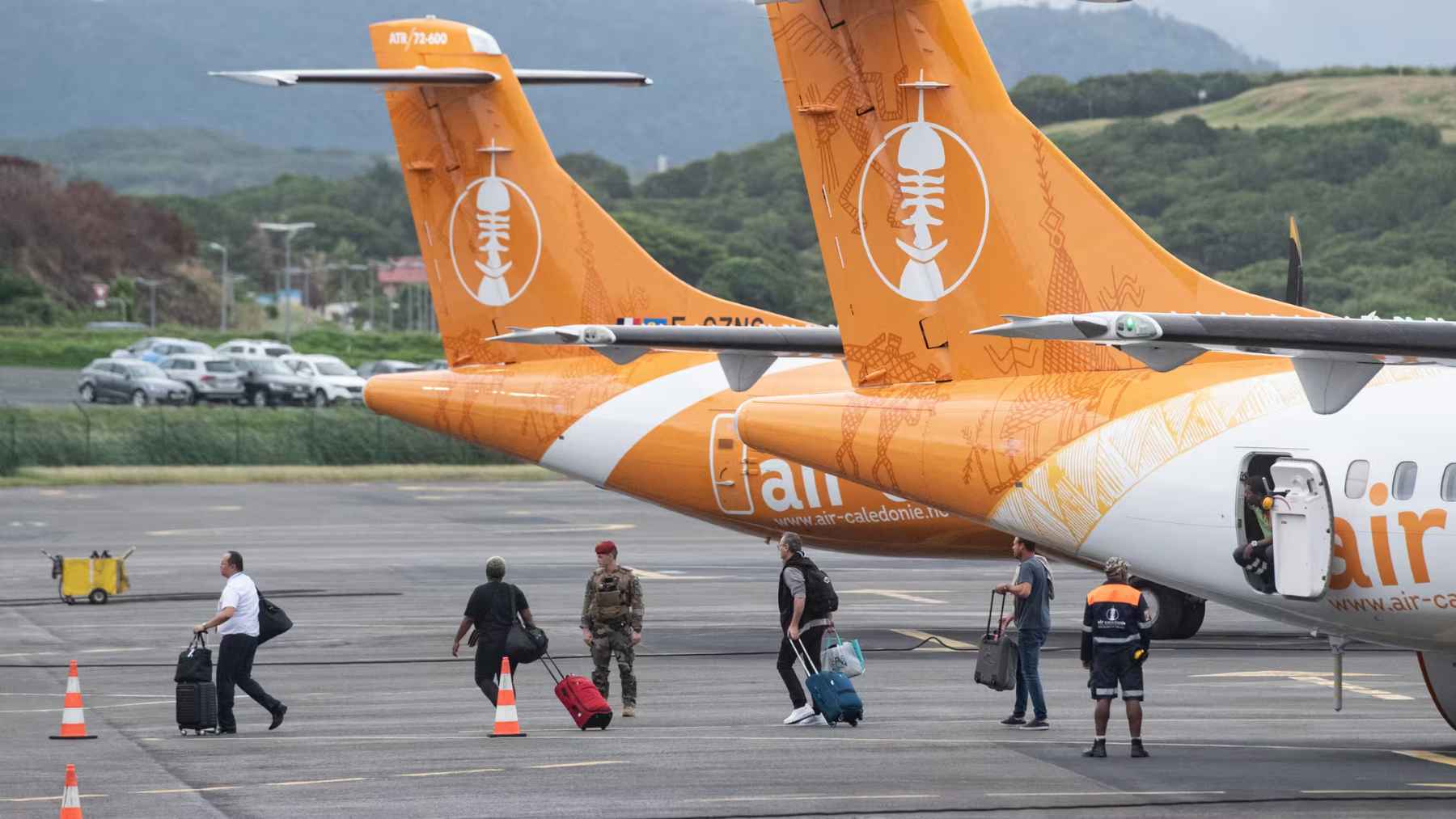
Air Calédonie, the domestic carrier that links New Caledonia’s islands, has filed for court protection after weeks of airport blockades effectively shut down its regular network. The airline told residents that after 25 days without domestic service, its financial situation was “no longer tenable,” and it is now seeking breathing room to put a recovery plan on the table.
This is not just another airline insolvency story. In a far-flung archipelago, a canceled flight can mean missed medical care, a delayed work trip, or a longer wait for basic supplies that most people take for granted. And when planes stop flying, the cash stops too, but the bills keep coming.
A lifeline airline, suddenly grounded
New Caledonia is a semi-autonomous French territory in the South Pacific, and the geography is the point. The tourism authority describes an archipelago of over 140 islands, and many of those communities rely on air links for day-to-day mobility.
According to Air Calédonie, the shutdown was driven by blockades at the Loyalty Islands and Isle of Pines aerodromes, leaving the domestic network stopped for 25 days. The airline said the cancellations left “almost two hundred families” stranded, which is a striking number in places where everybody knows somebody who flies that route.
The disruption has also hit the company’s workforce hard. Reporting on the crisis noted that the airline furloughed staff during the stoppage, including a mid March move affecting 220 employees, as leaders warned they were burning through cash.
A legal shield, not an instant liquidation
Air Calédonie’s board says it has launched a “collective procedure” with the commercial court, a legal framework designed to protect the business while it works on a restructuring plan. In practical terms, it can freeze certain debts and create an observation window where a viable turnaround plan is assessed.
Local reporting has laid out what comes next in plain language. The company has a limited period to propose a recovery plan, and then the court evaluates whether it is credible, with liquidation on the table if it is not. That is the fork in the road that employees and island residents are now watching.
The airline has also been careful to say this is not a magic reset button. In its statement, Air Calédonie tied any continuation of activity to two conditions: the reopening of aerodromes and the resources shareholders can provide during the observation period.
The math of a shutdown
Airlines can be tech-heavy businesses with digital booking, maintenance systems, and sophisticated scheduling. But none of that helps if a runway is physically blocked, because the revenue line can drop to near zero overnight while fixed costs keep ticking. That mismatch is brutal for small carriers with limited routes and limited borrowing options.
Air Journal reported that Air Calédonie’s leadership warned in early March it had about 360 million CFP francs in cash and was losing up to 10 million CFP francs per day because of the blockades.
Using the official Pacific franc conversion shown by IEOM and the European Central Bank’s euro dollar reference rate for March 27, that cash pile works out to roughly $3.5 million, and the daily hit comes to about $97,000. No wonder an airline representative warned cash could be depleted by early April.
What makes this sharper is that the company was already under strain before the protests. Air Journal reported passenger traffic fell to about 180,000 in 2025, well below the roughly 300,000 it said were needed to break even, alongside earlier cost cutting and fleet moves. A blockade did not create every problem, but it may have accelerated the timeline.
The airport move at the center of the dispute
At the heart of the standoff is a relocation plan that sounds simple on paper. Protesters have opposed shifting operations from Nouméa’s Magenta airfield to La Tontouta airport, which aviation reporting described as roughly 25 miles from the capital, with critics warning of longer travel times and potentially higher fares.
Air Journal also reported that management framed the move as a money saver, with an estimate of 477 million CFP francs in annual savings, which is about $4.6 million using the same official conversion references.
That kind of number matters to a carrier fighting for survival, but it also helps explain why locals are dug in, because the savings come with real friction on the ground for passengers.
Here is the everyday part that gets lost in corporate slides. Adding 25 miles to an airport trip can mean an extra ride you have to pay for, extra time off work, or a missed connection when schedules are tight. If your “flight day” is already stressful, do you really want it to start with an even longer drive?
A broader stress test for regional airlines
Air Calédonie’s crisis is local, but the vulnerability is global. In recent months and years, multiple smaller carriers have shut down or entered court processes, from the UK’s Eastern Airways being listed by the Civil Aviation Authority as placed into administration after ceasing operations, to Spirit’s Chapter 11 filing in the United States in August 2025.
Still, Air Calédonie adds a different kind of warning label. This was not only about fuel prices, aircraft leases, or soft demand: it was also about social conflict that made flying impossible, full stop. For island economies, that is closer to an infrastructure outage than a normal business downturn.
Next, watch three things for signals that matter to residents and creditors alike: whether blockades fully lift, whether shareholders put real money behind the observation period, and whether the court-backed process leads to a workable plan instead of liquidation.
The press release was published on Air Calédonie.