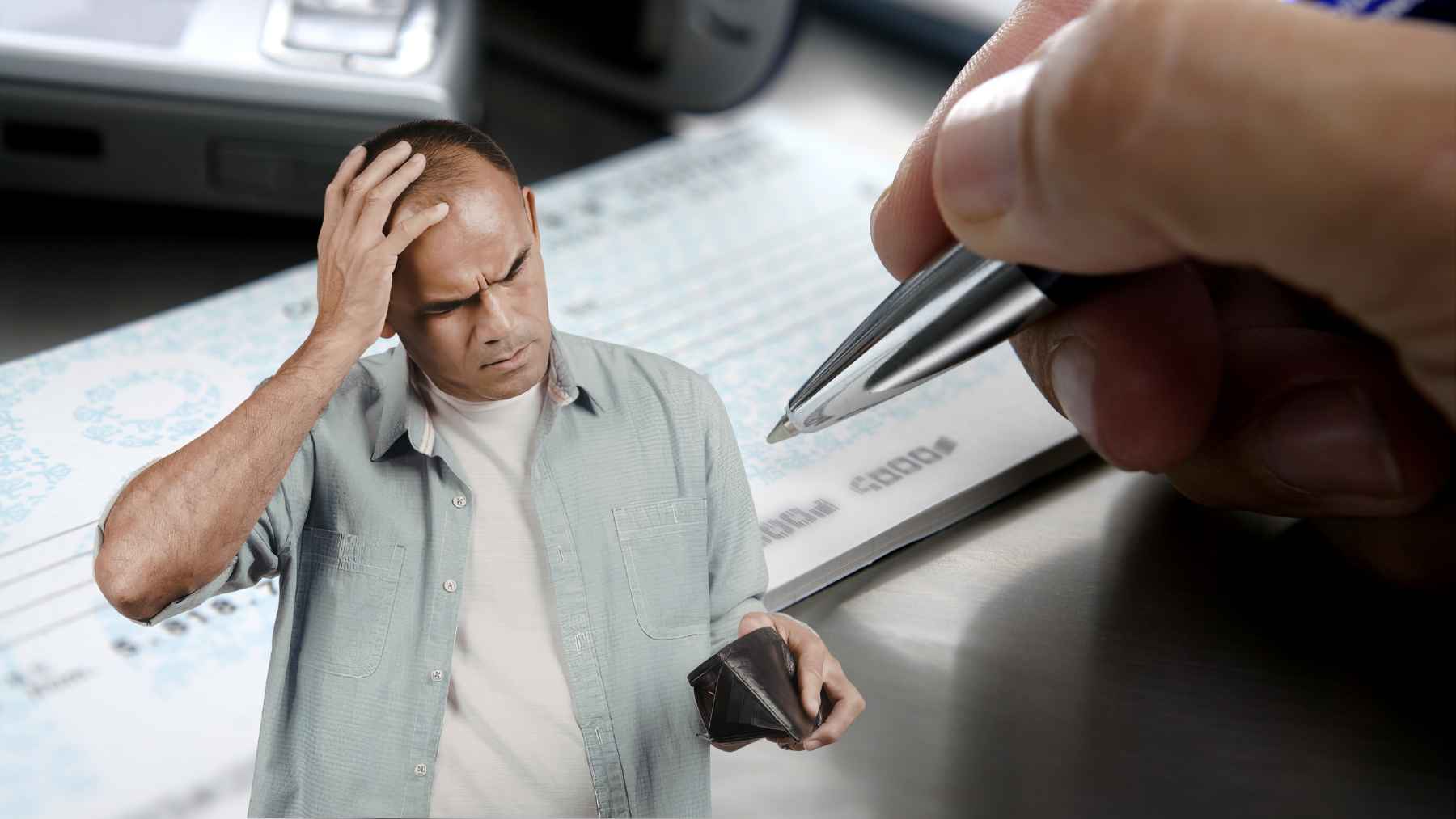
For two Northern California households, the real shock came after the money had already left the account. One couple says thieves stole and altered a mailed property tax check for nearly $28,000. Another homeowner lost $2,400 in a similar scheme.
In both cases, the checks appeared to clear normally, and the fraud surfaced only when county delinquency notices arrived months later. Wells Fargo later refunded the smaller claim after an appeal, but the larger one was denied. That is the real warning here. A check can look “paid” on your statement and still leave the bill unpaid.
This is more than one local dispute. Treasury said check fraud has risen 385 percent nationwide since the pandemic. FinCEN later said financial institutions filed 15,417 reports from 841 institutions tied to mail theft-related check fraud in the six months after its 2023 alert, adding up to more than $688 million in suspicious activity.
In practical terms, that means the old habit of dropping a check in a blue box on the way home, whether it is for property taxes or the electric bill, now carries more risk than many people may think.
The blind spot in monthly statements
What makes these cases especially unsettling is the time gap. Wells Fargo’s deposit account agreement says customers should examine statements carefully, including paid check images they can review separately, and report unauthorized transactions within 30 days after a statement is made available.
The agreement also says an unauthorized transaction includes an altered check, such as one where the payee name has been changed. But how many people click into every check image every month when the statement itself may show only a date, an amount, and the word “check”? For a lot of households, that is the trap.
Why old habits now carry more risk
Postal inspectors have been warning about exactly this kind off fraud. The U.S. Postal Inspection Service says “check washing” often starts with stolen mail and can involve chemicals that remove ink or copied check details used to create fake versions.
It also says inspectors recover more than $1 billion in counterfeit checks and money orders every year. In a recent release with the ABA Foundation, the agency urged consumers and small businesses to use letter slots inside post offices, pick up mail promptly, and report suspicious activity to their bank. Small steps. But right now, they matter.
The press release was published on U.S. Postal Inspection Service.