What happens to Earth’s climate memories when the glaciers that hold them melt away? A group of scientists has decided that those memories should not disappear.
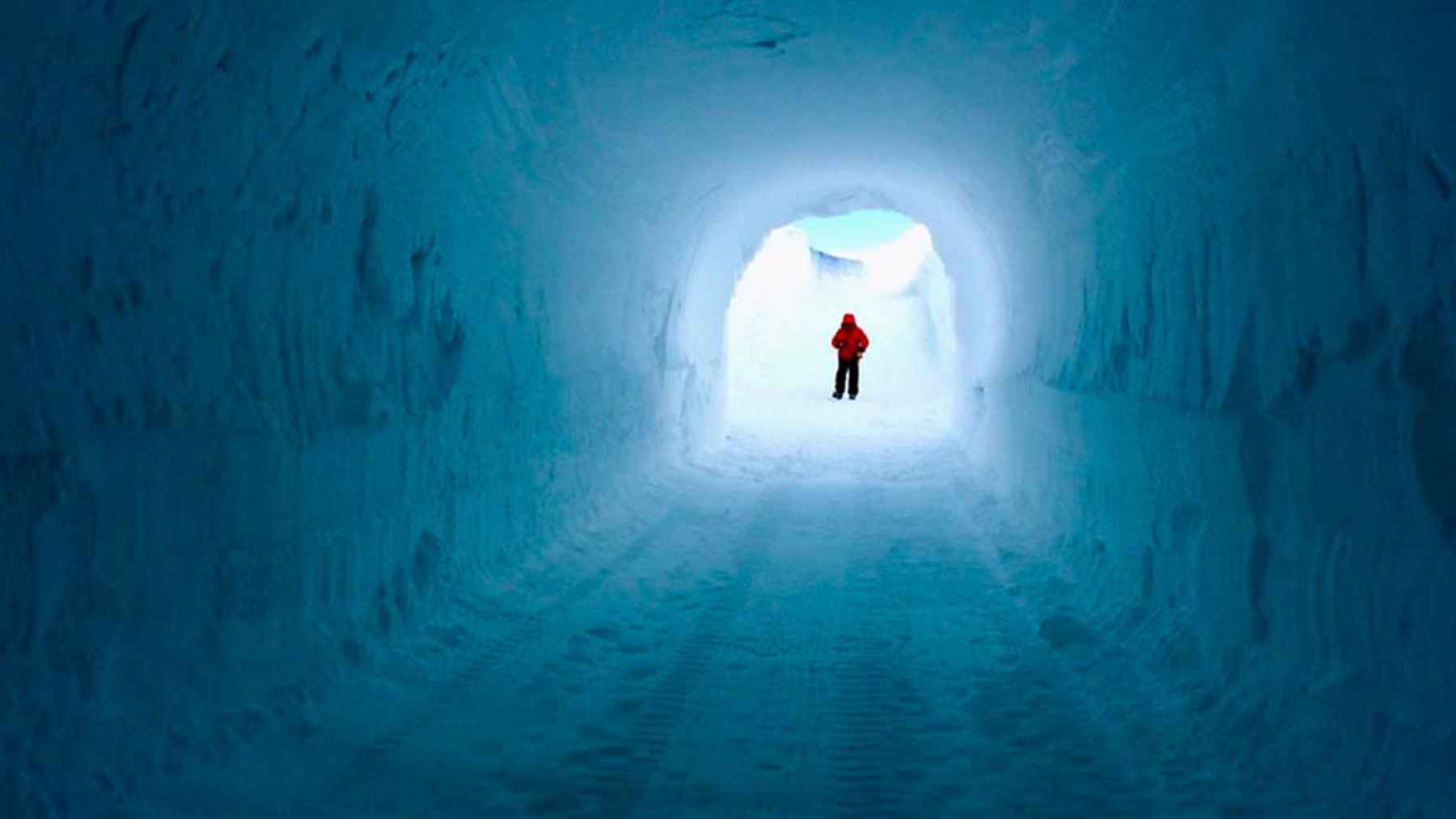
In January 2026 they inaugurated the Ice Memory Sanctuary, a snow-dug cave near Concordia Station in Antarctica that will store precious glacier ice cores for centuries without using a single watt of electricity.
A race to preserve Earth’s frozen archive
The timing is no coincidence. By the European Union’s own climate service, 2025 ranked as the third-warmest year ever recorded, extending an eleven-year streak in which every year sits among the hottest on record.
At the same time, the World Meteorological Organization reports that glaciers have lost an average of about 273 billion tons of ice each year since 2000, contributing steadily to rising seas. For many people this shows up as shorter ski seasons or higher summer electric bills. For scientists it feels more like watching a library slowly dissolve.
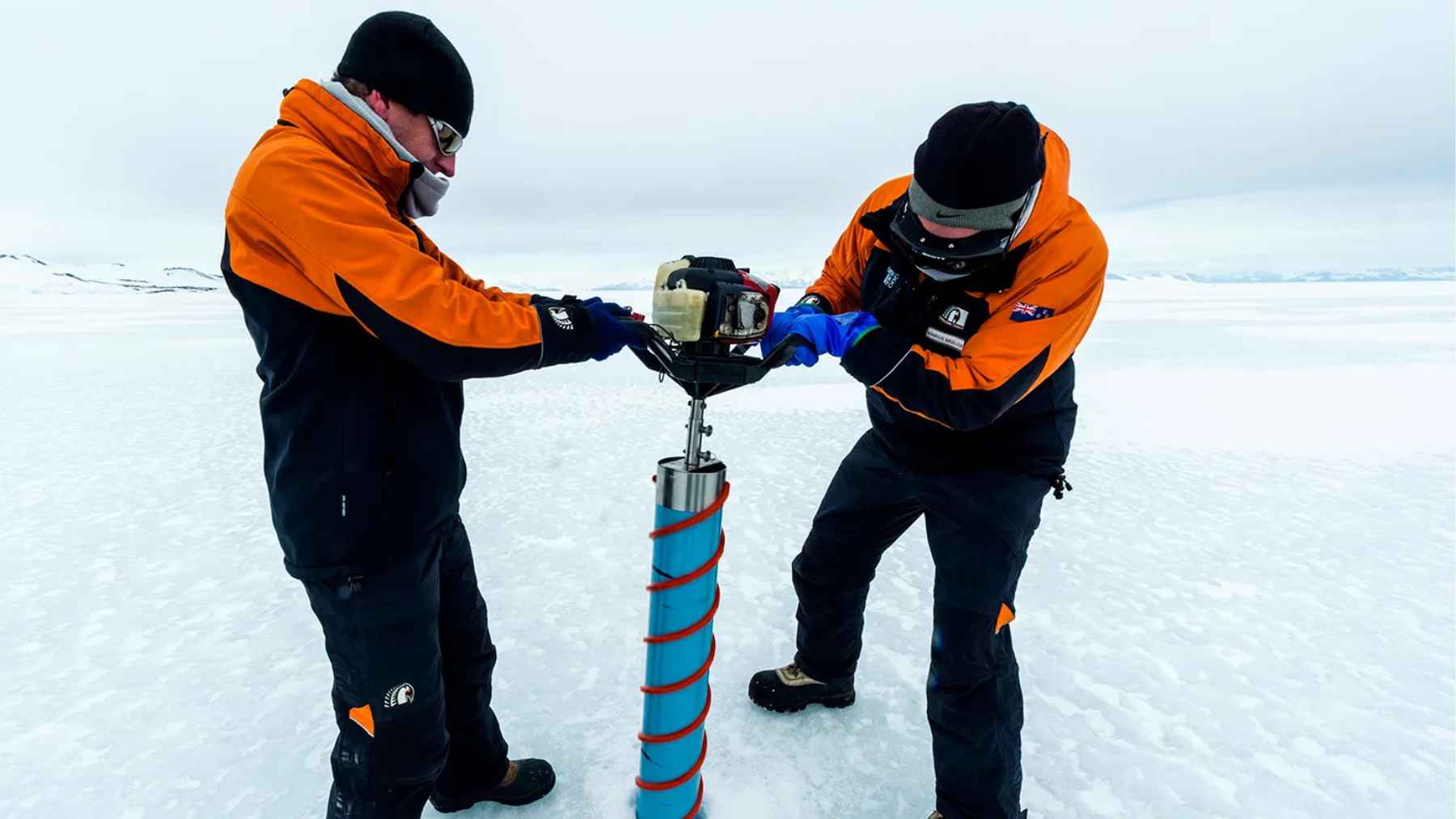
Ice cores are long cylinders of compacted snow and ice, usually around ten centimeters wide. Trapped inside are air bubbles, dust, ash, even traces of leaded gasoline from the mid 20th century. Each layer is a tiny time stamp.
Once a glacier turns to runoff, that direct record of past atmospheres vanishes forever. That is why the Ice Memory Foundation and its partners are racing to drill endangered glaciers in the Alps, Andes, Pamir and other ranges, then ship selected cores to the Antarctic vault.
A natural freezer beneath Antarctic snow
Instead of building a high-tech bunker with compressors and backup generators, engineers carved the Ice Memory Sanctuary straight into compact Antarctic snow.
The cave sits about nine meters below the surface and is roughly thirty five meters long and five meters high and wide. Inside, the temperature stays near minus fifty two degrees Celsius all year, cold enough to preserve the ice with no mechanical cooling. Even if the power fails or funding dries up, the polar plateau keeps working as a natural freezer.
An international scientific effort
The project grew out of European glaciology and climate science networks led by institutions such as CNRS, Université Grenoble Alpes, Ca’ Foscari University of Venice and the Paul Scherrer Institute, with philanthropic backing from the Prince Albert II of Monaco Foundation.
The site is approved under the Antarctic Treaty System, which keeps it outside national ownership and open to international scientific access.
Why this Antarctic vault matters for the future
In practical terms this sanctuary is a backup drive for the cryosphere. Today’s labs already extract detailed histories of greenhouse gases, volcanic eruptions and industrial pollution from ice.
Future scientists may use instruments we cannot yet imagine. Preserving untouched cores in extremely stable conditions gives them a chance to ask new questions long after many present day glaciers have disappeared.
This effort does not fix the climate crisis. Even its champions say it mainly buys time for knowledge, not for ice. But in a world where traffic jams and wildfire smoke can make global warming feel abstract or overwhelming, the idea of quietly safeguarding frozen air from centuries past carries a different kind of message.
At the end of the day, it says that our descendants deserve more than faded graphs and second hand data. They deserve the original record.
The press release was published by the Ice Memory Foundation.