Panama City’s proposal for a free pedestrian and bike tunnel beneath the Panama Canal looks, at first glance, like a flashy infrastructure idea with Elon Musk’s name attached to it. But the real story runs deeper.
City officials have pitched “The Canal Underline” as a public crossing that would connect Panama City and the West side of the canal, and the plan is now one of 16 finalists in The Boring Company’s “Tunnel Vision” challenge after 487 submissions worldwide. Panama City is also the only finalist outside the United States.
Why the city sees a public experience, not just a crossing
In practical terms, the tunnel is meant to be short, about 0.6 miles, and built for people rather than cars. That matters. For a city that knows traffic jams, long detours, and all the noise that comes with surface transport, the pitch is not just about getting from one side to the other.
It is about bringing one of the world’s most important trade routes closer to everyday life. Mayor Mayer Mizrachi has framed the project as a civic experience where residents and tourists could move below the canal while learning about its construction, Panama’s biodiversity, and the canal’s role in global commerce.
That is the unusual angle here. Most canal stories are about tolls, drought, cargo flows, or geopolitics.
This one is about access. Who actually gets to “live” the canal, not just look at it from a visitor center or watch container ships from a distance? It is a smart urban argument, to a large extent because it recasts a giant logistics asset as part of local public space. Small tunnel, big symbolism.
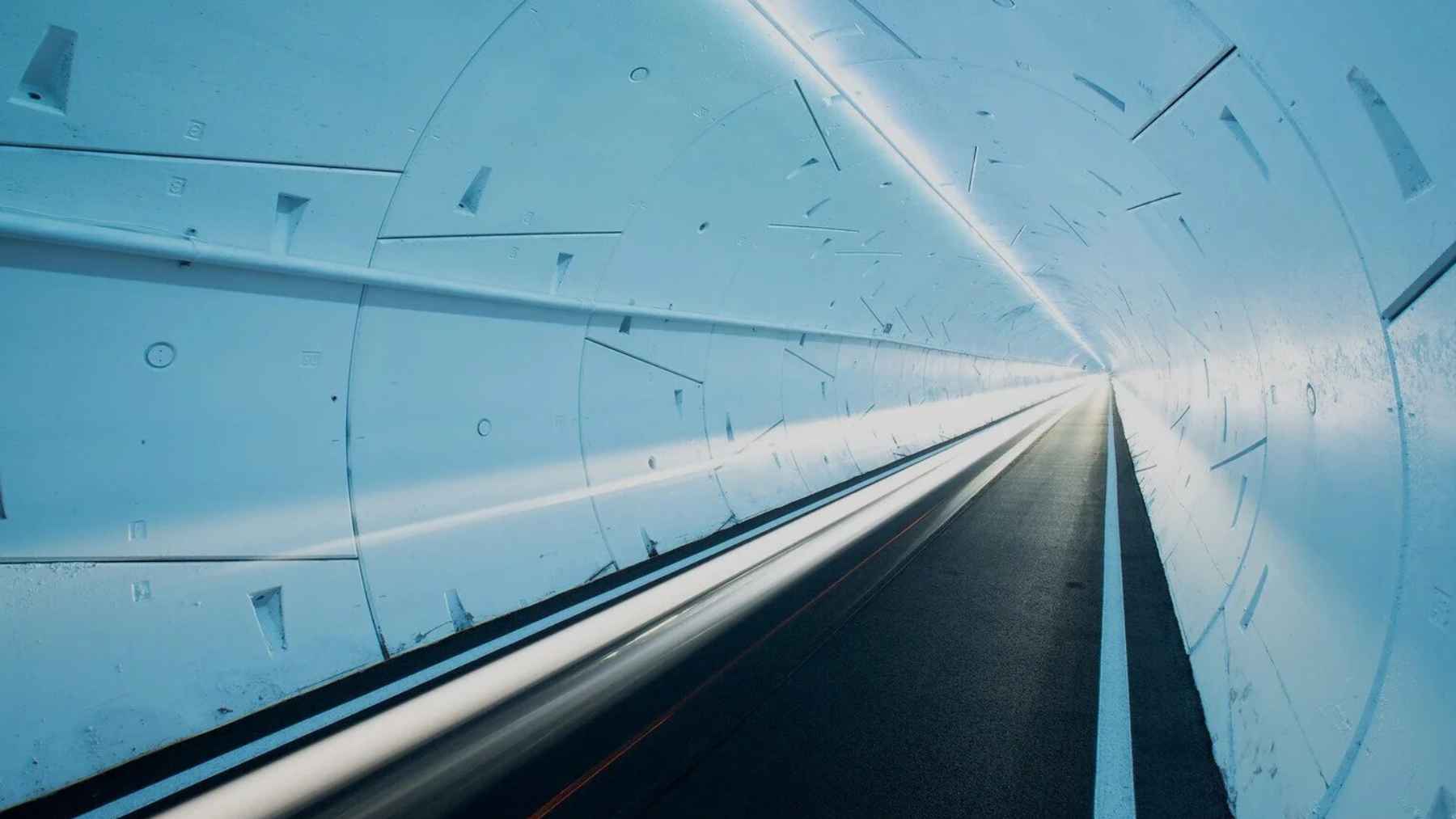
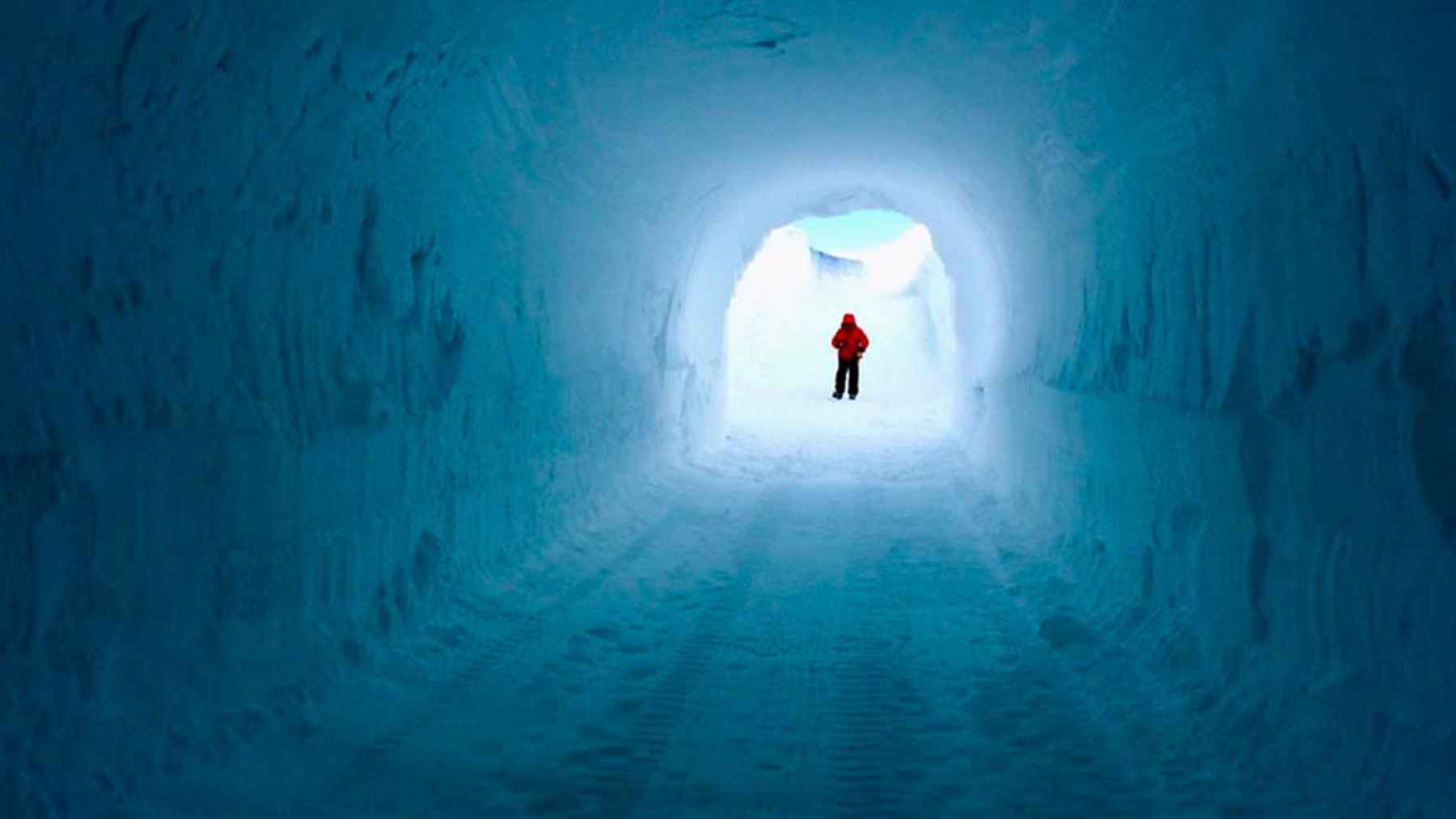
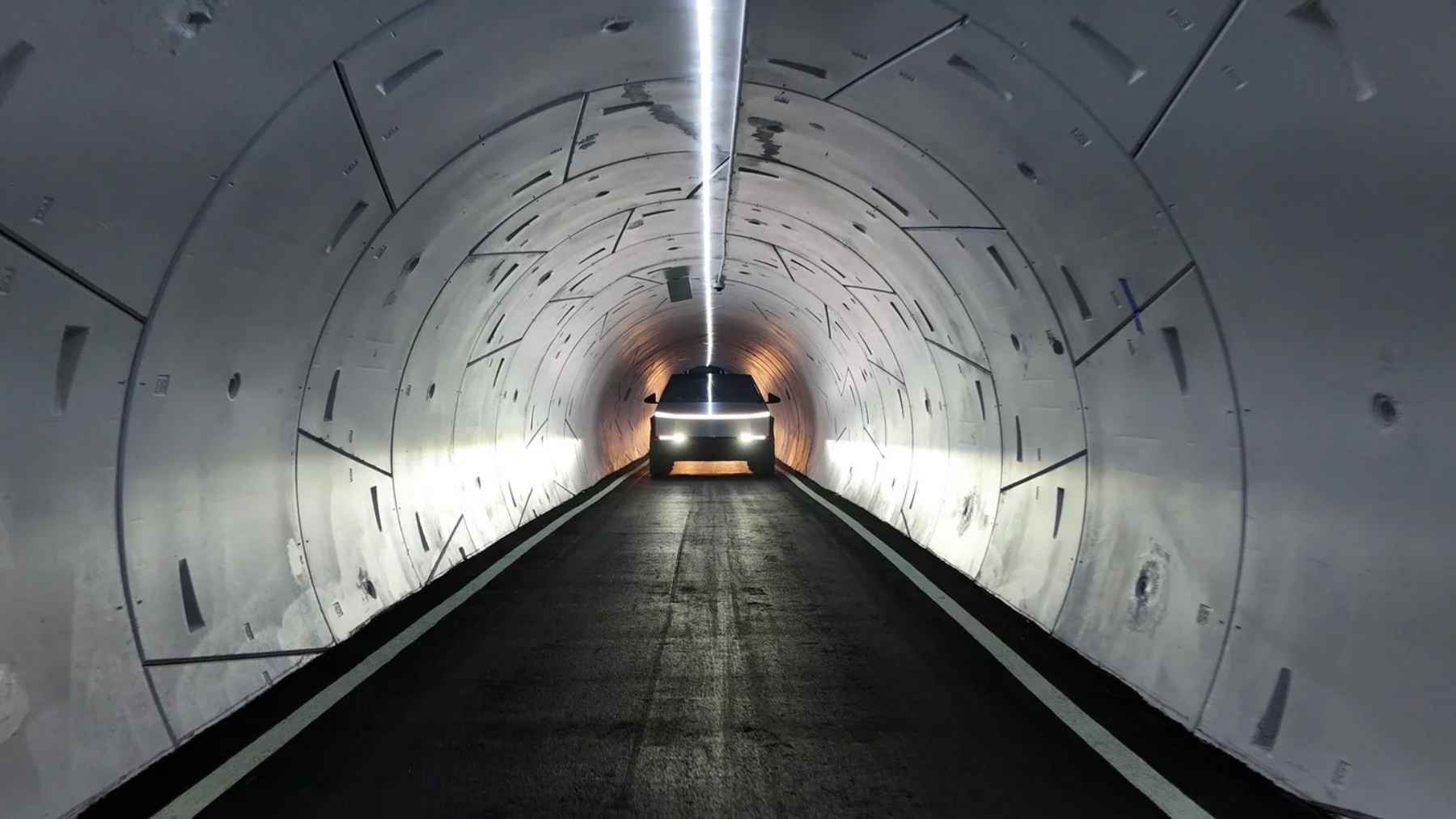
A futuristic tunnel concept similar to the type proposed for a pedestrian and bicycle crossing beneath the Panama Canal.
The Boring Company challenge and the business case
There is also a business and technology case behind the symbolism. The Boring Company says the winning project can be up to one mile long and will be built free of charge, while Mizrachi argues the company’s reuse of tunneling machines could make a project like this more feasible than many people would expect.
He has also suggested that a canal crossing would give the company a chance to prove itself in a more complex engineering setting than the projects already tied to its brand.
The canal’s geopolitical shadow
The timing adds another layer. The canal has returned to the center of strategic friction after President Donald Trump said in January 2025 that the United States would “take back” the canal, and Panama later moved to leave China’s Belt and Road Initiative.
So this proposal is not arriving in a vacuum. It lands at a moment when the canal is once again being discussed not only as a shipping route, but also as a symbol of sovereignty and influence. And that is what makes this modest underground walkway feel much bigger than its footprint.
The official statement was published on the Panama City Municipality.