For years, the advice sounded simple: if you care about your sleep, put the phone away well before lights out. Blue light warnings, screen time trackers, and “digital detox” tips all pointed in the same direction.
A large new Canadian study now suggests that, for many adults, that story may be only partly true.
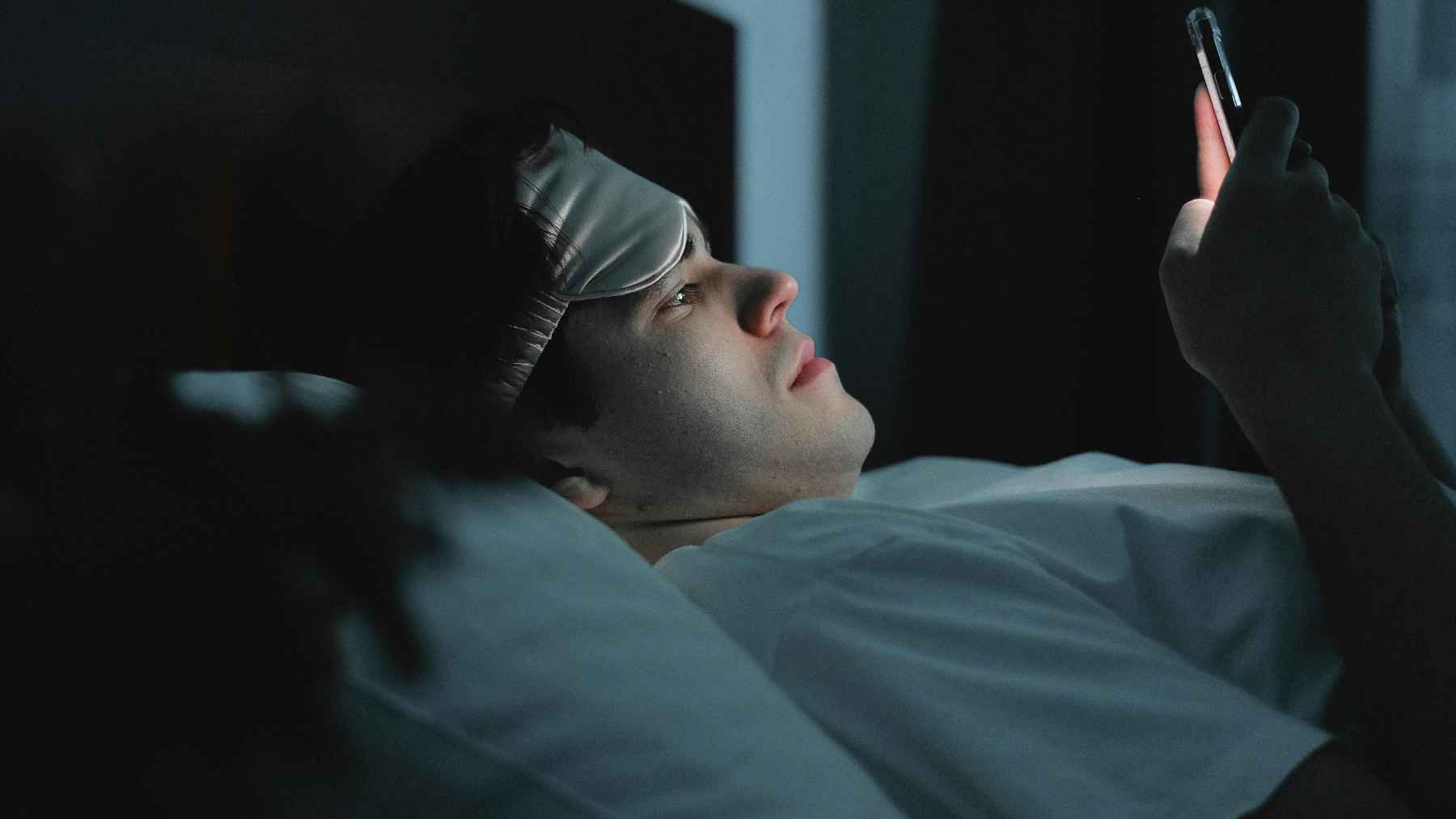
Researchers from Toronto Metropolitan University and Université Laval surveyed more than 1,000 adults across Canada about how often they used phones, tablets, or other screens in the hour before bed, then compared those habits with detailed measures of sleep quality.
Their main finding may surprise anyone who has ever felt guilty about late-night scrolling. Overall sleep health looked very similar in people who used screens every night and in those who almost never did.
What the researchers actually found
Instead of a clean “screens are bad” verdict, the study paints a more nuanced picture.
Adults who reported using devices almost every night actually showed some of the best results for how quickly they fell asleep and how alert they felt during the day.
On the other hand, people who used screens less than once a week tended to report the highest levels of sleep regularity and satisfaction. In other words, both “always on” and “almost never” were doing fairly well, just in slightly different ways.
That pattern suggests bedtime screens are only one piece of a much bigger sleep puzzle, not the master switch we sometimes imagine.
Why this clashes with what you’ve heard about blue light
If you have followed sleep advice for a while, this probably sounds like a plot twist.
For years, studies warned that evening exposure to “blue light” from screens could delay the release of melatonin (the hormone that helps your body wind down), shift your body clock, and make it harder to fall asleep.
Those concerns are mostly based on lab experiments with very bright light and often with teenagers or young adults who are especially sensitive to light.
Colleen Carney, a sleep and mood disorder specialist at Toronto Metropolitan University, points out that those conditions do not match how most adults actually use their phones in bed.
As we age, our eyes let in less light and our internal clock becomes less sensitive to it. On top of that, the timing and brightness of real-world screen use are all over the map. A dim phone on night mode in a dark room at 11:30 p.m. is very different from staring into a bright tablet at midnight after a double espresso.
In practical terms, that means blue light may still be a concern for teenagers or for people blasting themselves with bright screens late at night, but many adults using their phones in a typical way are probably not wrecking their sleep from light alone.
What really seems to matter (age, content, and routine)
The new study focused on adults, and that detail matters. Other research still finds that heavy nighttime screen use in children and teens is linked to later bedtimes and shorter sleep. Younger brains and eyes react more strongly to light and stimulation in the evening, so experts remain cautious for those age groups.
For adults, though, this Canadian survey backs up a growing body of evidence suggesting that the impact of screens on sleep is highly individual.
What you are doing on the phone may matter as much as the light it emits. Quietly reading an ebook or replying to a couple of texts is not the same thing as getting into a heated argument on social media or binge-watching stressful news clips right before sleep.
Your overall routine counts too. Someone who keeps a steady bedtime, gets morning daylight, and protects seven to eight hours in bed might tolerate more screens at night than someone whose schedule is already chaotic and who sleeps five hours on a good day.
So what should you actually do with your phone at night?
The researchers behind the Canadian study are not saying that phones are harmless, or that everyone should scroll freely until they nod off.
Instead, their message is more practical: pay attention to what works for you.
If you notice that putting the phone down earlier helps you fall asleep faster and feel better the next day, keep that habit. It is a simple, low-cost tweak that clearly helps you.
If, on the other hand, you have tried cutting out screens and your sleep has not changed at all, this new evidence suggests that the phone may not be the main culprit. Stress, caffeine, irregular schedules, or untreated sleep disorders like insomnia or sleep apnea probably deserve more of your attention.
A useful way to think about it
For the most part, this research nudges the conversation away from blanket rules and toward personal experiments.
You might try keeping a simple sleep log for a couple of weeks, noting when you use your phone, when you go to bed, how long it takes to fall asleep, and how rested you feel in the morning. Patterns often jump out quickly.
At the end of the day, what this study is really saying is that late-night screens are not automatically the enemy of good sleep for every adult. They are another tool that can fit into a healthy routine or make it harder, depending on how and when you use them.
Presley’s own history of health issues, including insomnia, is a reminder that long-term sleep problems usually come from many overlapping causes, not just one habit before bed.
The study was published in Sleep Health.