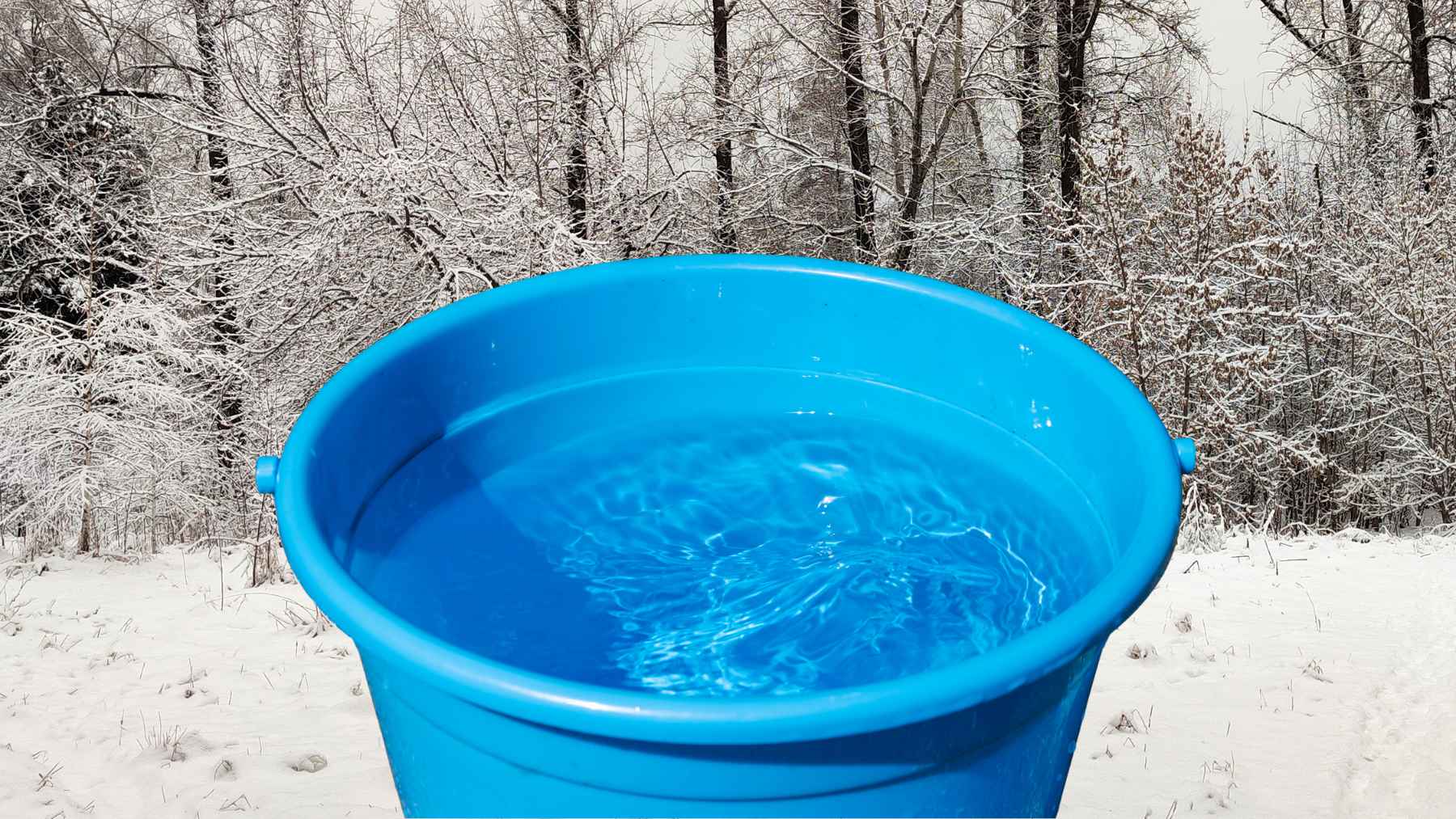
As overnight temperatures start dipping below freezing, that blue plastic rain barrel in the corner of the yard can quietly turn from money saver into money pit.
Consumer experts in Germany are warning that a simple piece of foam floating on the water can keep barrels from cracking and leaking when ice forms.
The warning comes from Verbraucherzentrale NRW, which advises households on everything from energy bills to climate adaptation. Their message is straightforward. When water freezes, its volume increases by roughly nine percent.
Inside a rigid container, that extra volume creates strong pressure on the walls and fittings that can split plastic or distort metal.
How a floating foam block eases ice pressure
To keep collecting rainwater through the colder months, the group recommends placing either special ice pressure cushions or a simple piece of polystyrene on the surface of the water. These flexible materials move and compress as ice forms. Instead of pressing directly against the barrel wall, part of the expanding ice pushes into the cushion or foam.
Gardeners should still keep the water level as low as possible. Less water means less pressure if the contents freeze. If a solid sheet of ice has already formed on top, experts advise breaking it carefully.
Otherwise the ice acts like a tightly fitting plug while liquid water beneath continues to expand, which can be especially risky for barrels with straight vertical walls.
Do not forget hoses, pipes and diverters
The advice goes beyond the barrel itself. All connected hoses and pipes should be emptied before a prolonged cold spell. Any water left in narrow tubes can freeze and burst them. In pipes that are buried or hard to reach, technicians often use compressed air to blow out the remaining water.
The inflow from the downspout should also be shut off for winter, for example with a rain diverter that has a specific cold season setting.
Clean and store for an easier spring
Winterizing is also a good excuse to deal with the sludge at the bottom of the barrel. Hanna Vitz, a rainwater specialist at the consumer center, points out that leaves and debris should be removed so the container is ready to use again when the gardening season returns.
For people who do not need rainwater over winter, the group suggests emptying the barrel as far as possible and storing it upside down in the garden or, even better, in a protected space such as a basement or garage. That simple step avoids frost damage and the springtime chore of shopping for a replacement.
Small fix, bigger impact
Why fuss over a single container in the corner of the yard? For many homes, a rain barrel holding 200 to 500 liters (roughly 50 to 130 gallons) is the easiest way to collect soft water for thirsty plants and to ease the strain on drinking water supplies during dry spells.
Less tap water used on the lawn means a lower utility bill and fewer complaints from houseplants when summer heat arrives.
At the end of the day, that floating foam block is a low-tech way to protect a small but useful piece of climate adaptation hardware sitting right next to the downspout.
The press release was published on Klimakoffer.nrw.