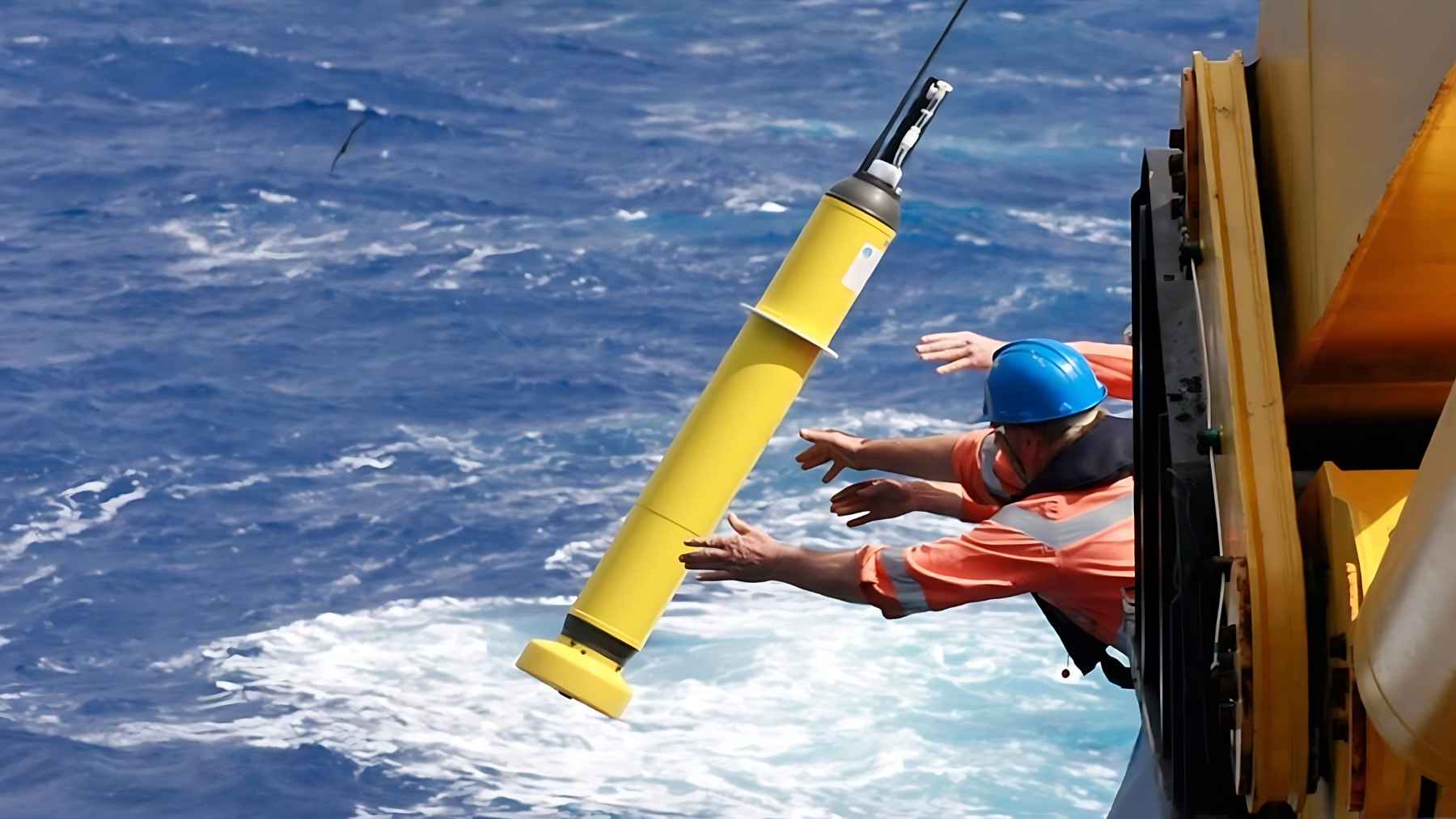
What can a drifting robot tell us about the future of sea level rise? Quite a lot, it turns out. An Argo float deployed near East Antarctica disappeared beneath the Denman and Shackleton ice shelves for eight months, then resurfaced with measurements from parts of the ocean scientists had never sampled before.
That makes this more than a survival story. It is a rare look at the hidden waters that can decide how fast Antarctic ice melts into the sea.
What the float found under Denman and Shackleton
Researchers from CSIRO and partner institutions said the float collected 195 temperature and salinity profiles over 2.5 years across a journey of about 300 kilometers. While it was trapped under the ice, it kept profiling the water column every five days from the seafloor to the ice shelf base.
CSIRO described the result as the first ocean transect beneath an East Antarctic ice shelf. In practical terms, that gives climate scientists fresh evidence from one of the least observed places on Earth.
Why Denman Glacier stands out
The big takeaway is that not all Antarctic ice shelves are facing the same risk right now. The broad Shackleton Ice Shelf appears, for the most part, to be shielded from warm deep water that could melt it from below.
Denman Glacier looks far less comfortable. The study found warm water reaching the Denman cavity, and researchers warned that even small changes in the thickness of that warm layer could sharply increase melting and trigger unstable retreat.
That matters far beyond the polar south. Denman drains a basin that holds enough ice to raise global sea level rise by about 1.5 meters. For people nowhere near Antarctica, that could eventually show up in flood planning, insurance costs, and the pressure already building along crowded coastlines.
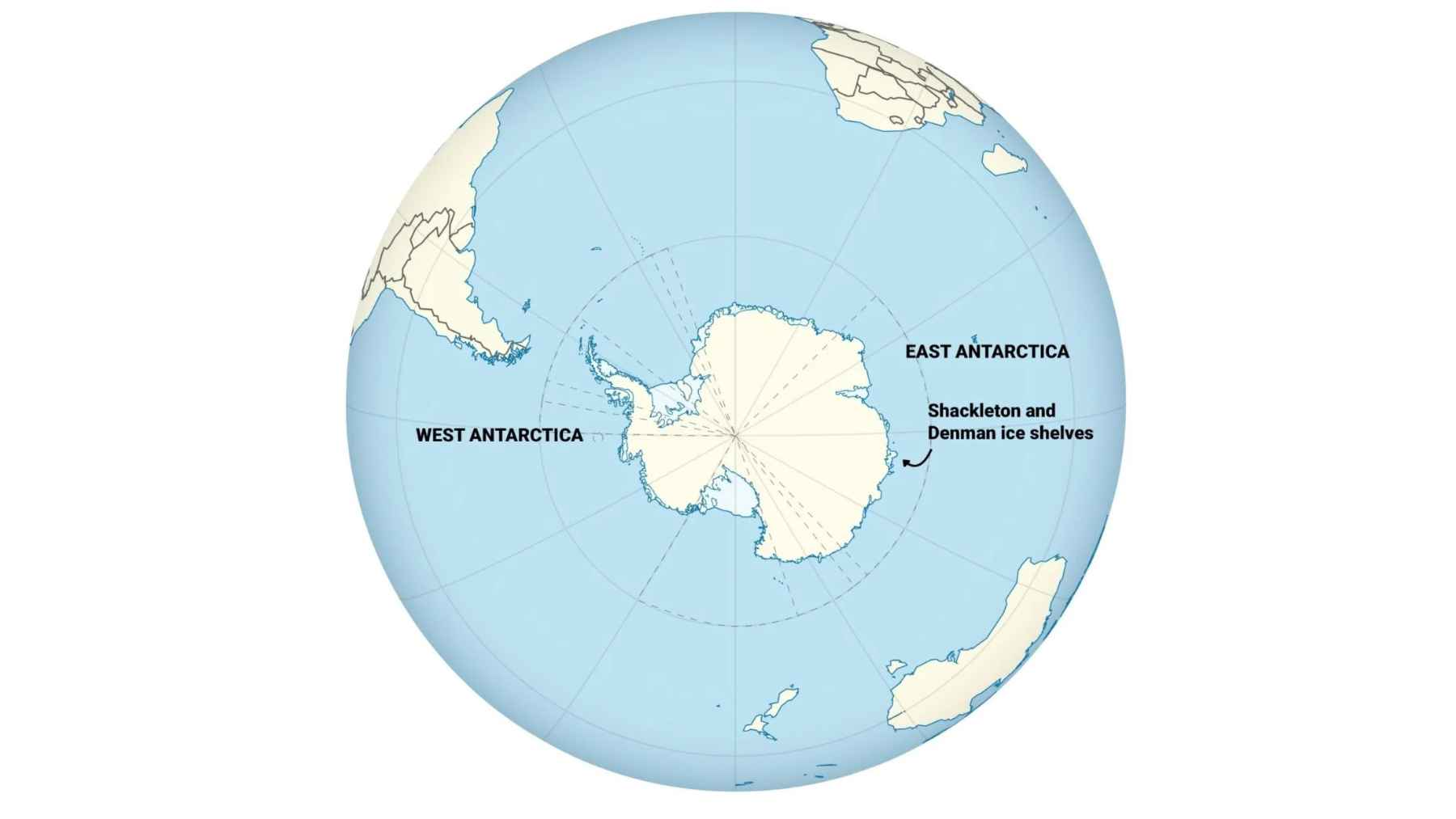
Map of Antarctica highlighting the Denman and Shackleton ice shelves in East Antarctica, where an Argo research float gathered rare ocean data beneath the ice.
A lucky accident with real forecasting value
There is also something striking about how the team pieced this together. The float could not use GPS while under the ice, so researchers reconstructed its route by comparing moments when it bumped the ice base with satellite measurements of ice draft.
A little detective work, basically. And it paid off. As oceanographer Steve Rintoul put it, this was “an amazing story of the little float that could.” But the real value is not the drama. It is the sharper warning that East Antarctica still contains big blind spots, and some of them may matter a lot.
At the end of the day, that is why this tiny robot matters. It helped show that Denman is already exposed to warm water, while nearby ice remains more protected for now. That contrast should improve computer models and reduce some of the uncertainty around future sea level rise. Small machine. Big signal.
The study was published on Science Advances.