What happens when a threatened military deployment is pulled back at the last minute? In Minnesota, it means one of the most dramatic options is off the table, at least for now.
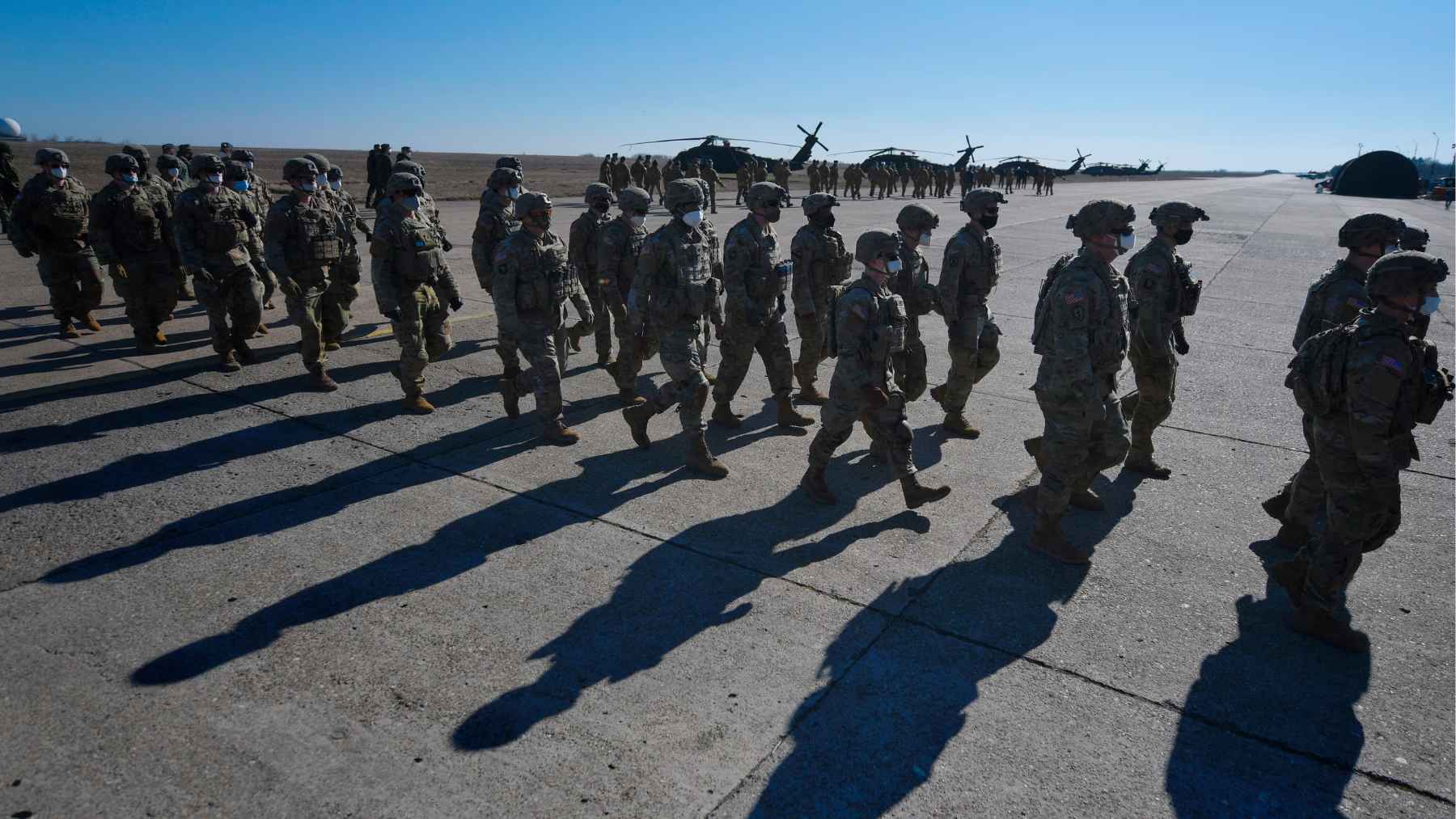
Over the weekend, U.S. Northern Command quietly stood down more than 1,500 troops who had been on alert for a possible deployment to Minneapolis after weeks of largely peaceful protests tied to fatal shootings involving federal immigration officers.
President Donald Trump had threatened to invoke the Insurrection Act, so the reversal signals a step back from a move local leaders warned could inflame tensions.
Minnesota National Guard and military planning behind the stand-down
Officials familiar with the planning said no specific mission was ever outlined, and alert orders can be routine when commanders expect a possible presidential decision. Even so, the symbolism was hard to miss.
The standby plans involved Alaska-based soldiers from the 11th Airborne Division, while military police at Fort Bragg in North Carolina were also told to prepare. Minnesota leaders, for their part, had already staged the state National Guard in a support role to protect critical infrastructure and back local law enforcement if needed.
Does a stand-down mean the crisis is over? Not really. Tensions first surged after the Jan. 7 killing of Minneapolis resident Renee Good, then rose again after the Jan. 24 fatal shooting of Alex Pretti, a second U.S. citizen.
By Jan. 20, Governor Tim Walz was publicly urging the White House to “help restore calm and order” through shared purpose, trust, and respect. In practical terms, that meant fewer threats of soldiers in the streets and more pressure for de-escalation.
Economic fallout for immigrant-owned businesses in Minnesota
But there is another layer here, and it is the one ordinary people feel fast. State officials said the continuing federal presence brought reduced foot traffic, staffing problems, lost revenue, and fear, especially for immigrant-owned businesses.
For neighborhood stores, that can look painfully ordinary. Fewer customers at the counter. Shorter shifts. More uncertainty about next week’s paycheck. By Feb. 12, Walz proposed $10 million in one-time emergency relief, with partially forgivable loans for businesses affected by the operation.
At the end of the day, the troop stand-down looks less like a clean ending and more like a warning flare. Pulling soldiers back may have lowered the temperature. It did not erase how quickly a domestic security crisis can spill into military planning, local commerce, and the public trust that keeps a city running.
The official statement was published on MN.gov.