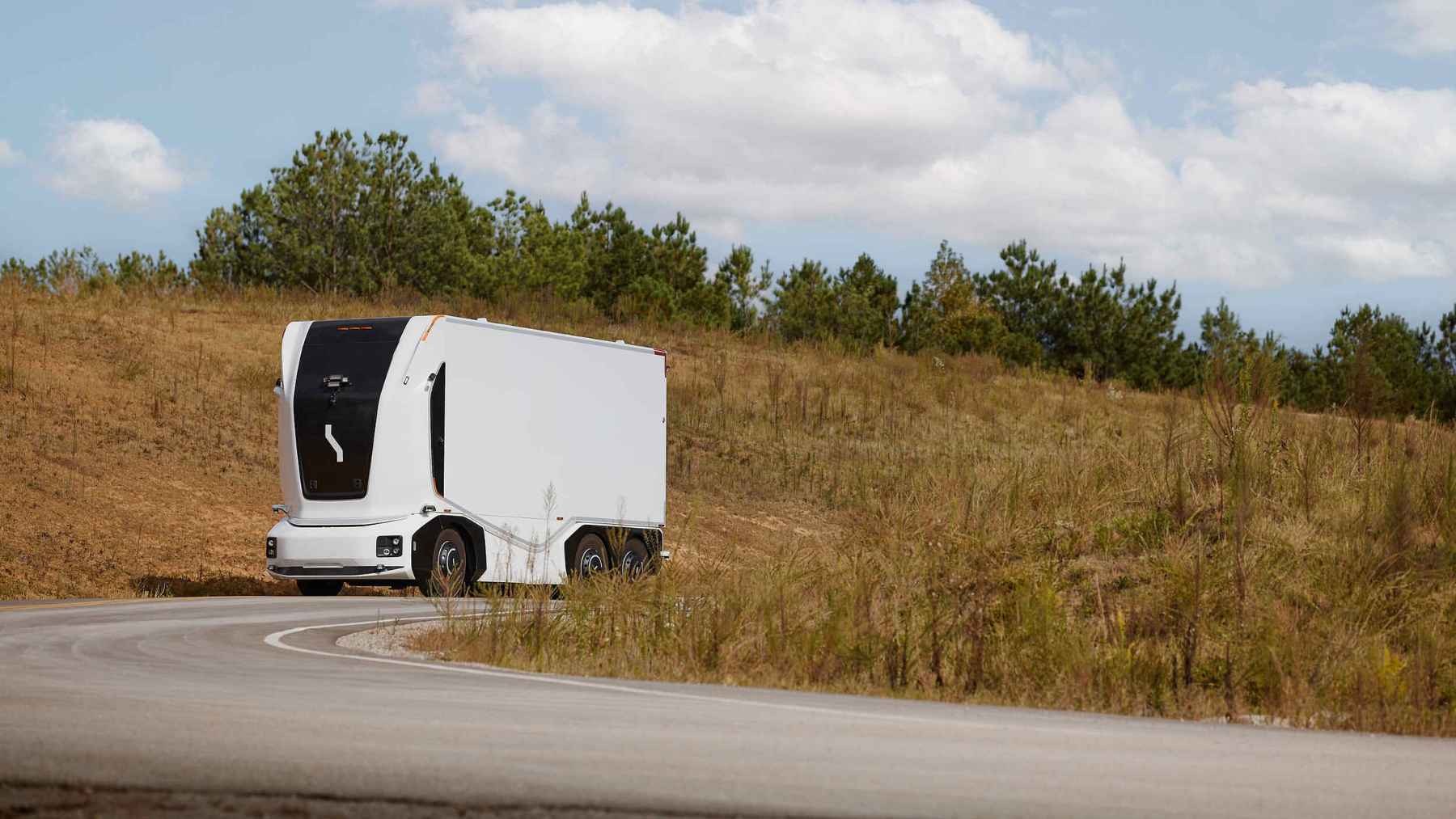
Texas already has big roads and big freight, but one toll road outside Austin is lining up a new role. State Highway 130, the only U.S. roadway with an 85 mph posted limit, is attracting autonomous trucking interest as the state prepares to require a formal authorization for commercial driverless operations.
The speed limit grabs attention, but the bigger story is what is converging on this corridor: regulation, digital infrastructure, and charging plans for electric autonomous trucks. If Texas gets it right, SH 130 could become a real-world classroom for high-speed autonomy that other states watch closely.
Why SH 130 matters now
The 41-mile southern section of SH 130 runs from near Mustang Ridge to I-10 in Seguin and links to northern segments to form a 91-mile alternative to congested I-35 through Central Texas. The operator says the roadway uses open tolling so tolls can be charged without drivers slowing for a booth.
For developers, that means long, continuous highway time at a legal top speed, plus fewer stop-and-go interruptions than many urban routes. It sounds simple, but at 85 mph it becomes a tough exam, because the system has to read mixed traffic fast and still behave predictably around humans.
A new permission slip for driverless freight
TxDMV says an authorization requirement for commercial operation of automated vehicles becomes enforceable May 28, 2026, and it expects to begin accepting applications by the beginning of May 2026. The program stems from Senate Bill 2807 and agency rules that became effective February 27, 2026.
The state’s definitions focus on what most people mean by “driverless,” not advanced driver assistance. “Commercial activity” is moving property or passengers for business on Texas roads without a human driver, using a vehicle capable of Level 4 or Level 5 automation under SAE J3016.
Companies also have to put their claims in writing. The TxDMV application requires acknowledgments that vehicles follow Texas traffic laws, have a recording device, can reach a “minimal risk condition” if the automated driving system fails, and carry required liability coverage, plus the applicant must certify that Texas DPS has received an emergency interaction plan.
TxDMV says authorizations have no fee and do not expire unless revoked.
Speed is a feature and a risk
Most states top out at 80 mph on certain rural highway segments, and 85 mph is still a Texas-only outlier. IIHS notes that up to 85 mph can be posted only when a highway is designed for higher speed and an engineering study finds it reasonable and safe, and it specifically cites State Highway 130 as having the 85 mph posted limit.
But speed is also a well-documented safety variable, which is why this story is not just about cool tech. NHTSA reported 11,775 fatalities in speeding-related crashes in 2023, accounting for 29% of total traffic fatalities, and it found that 28% of fatal crashes were speeding-related.
Can software overcome the risks that come with higher speed limits? IIHS-cited research has linked higher posted limits with higher fatal crash rates, including an estimated 8.5% increase in fatal crash rates on interstates for every 5 mph increase in speed limits, which is one reason regulators will look hard at evidence, not promises.
Electric trucks change the infrastructure math
Einride says it has signed a Memorandum of Understanding with SH 130 Concession Company to position SH 130 as a preferred corridor for autonomous freight operations in Texas.
The partners also plan a blueprint for a next-generation rest stop meant to manage electric autonomous trucks, including high-capacity EV charging and specialized docking.
They are also looking at connecting Einride’s Saga AI optimization software with the highway operator’s digital ecosystem to improve data sharing and traffic management. For fleets, that kind of coordination can mean fewer surprise delays and better planning for charging stops, which is the difference between an on-time delivery and a warehouse team waiting around.
The proof regulators and buyers will demand
Even in Texas, a lot of autonomous trucking still looks like “mostly automated” rather than fully driverless. A recent pilot on the I-35 corridor out of Laredo reported that trucks on a roughly 600-mile route handle about 92% of the driving with autonomy, while a human safety driver stays in the cab to monitor and take control if needed.
The state is also building in consequences if a company crosses the line. TxDMV says automated vehicles face roadside enforcement by Texas DPS and local law enforcement, and it can suspend, revoke, cancel, or restrict an authorization if an automated motor vehicle is not in safe operational condition and endangers the public.
The required recording device also hints at the future norm, because when something goes wrong at highway speed, investigators will expect hard data about what happened.
A testbed with spillover effects
Highway autonomy is not only a commercial story, it has defense echoes too. The U.S. Army has described “leader-follower” convoy concepts where a manned lead vehicle can control unmanned follower trucks to improve force protection and increase sustainment throughput.
If Texas can make the authorization process workable while keeping safety front and center, SH 130 may end up shaping how other corridors handle emergency interactions, data capture, and charging-ready infrastructure.
The real question is not whether an autonomous truck can cruise at 85 mph on a clear morning, but whether it can handle the messy moments drivers know too well, like construction barrels and sudden slowdowns.
The press release was published on Einride.