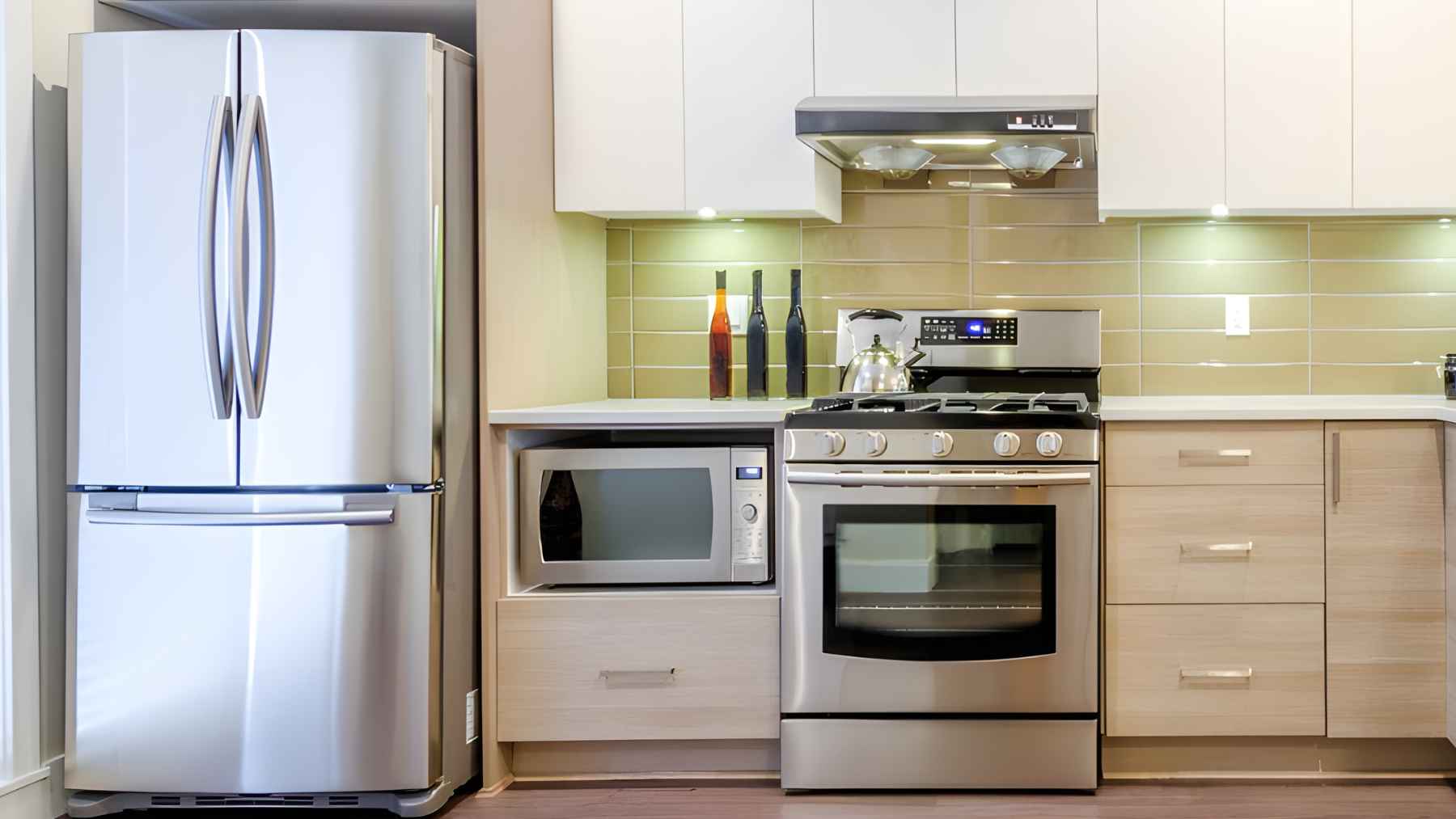
Your electric oven looks harmless sitting in the kitchen, but when it kicks into preheat it can pull a surprising amount of electricity in a short burst. That’s why a comparison making the rounds, that an oven can “use as much power as dozens of refrigerators,” is not as crazy as it sounds when you look at peak draw.
The catch is that peak power and annual energy are not the same thing, and the difference matters for your budget and for the grid. Federal energy data suggests U.S. households use far more electricity over a year for refrigeration than for cooking, even though cooking happens every day in most homes.
The “65 refrigerators” claim is really about peak power
When people say an oven can match “65 refrigerators,” they are usually talking about watts in the moment, not total kilowatt-hours across the year. Many electric ovens draw roughly 2,000 to 5,000 watts while heating, especially during preheat when the heating elements are working hardest.
Refrigerators are the opposite kind of load, lower power but always on. EIA end-use estimates for 2020 put the most-used refrigerator at about 617 kWh per year, which averages to roughly 70 watts over the year once you account for compressor cycling.
Do the math and the headline starts to make sense. A 5,000-watt preheat burst divided by about 70 watts comes out to roughly 70 typical fridges worth of average draw, at least for those few minutes. It’s a “power spike” story, not a “your oven beats your fridge all year” story.
Why preheating hits the meter so hard
An oven has one job that is inherently expensive in electricity terms. It has to create heat quickly, then keep pushing heat to replace what leaks out through vents, walls, and the door window.
Preheating is the most intense part because the oven is trying to climb from room temperature to a set point fast. In practical terms, that often means the heating elements are running near full output, which is why the wattage numbers get so high.
Then comes the everyday habit that quietly makes it worse. Every time the door opens to “just check,” the oven dumps hot air and pulls in cooler air, so the elements cycle back on longer than they otherwise would. It’s the kitchen version of leaving the front door open while the AC is running.
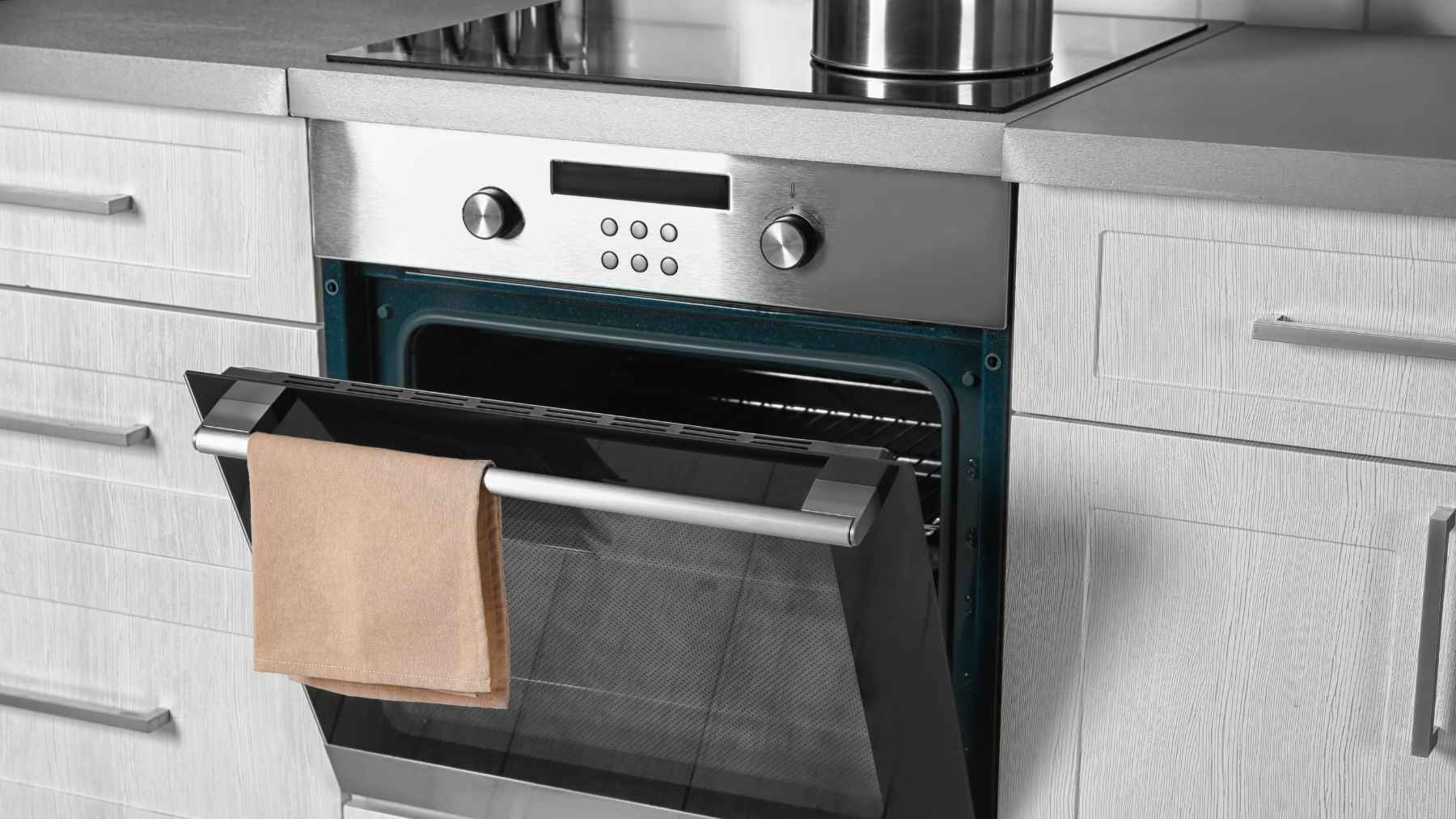
Electric ovens can draw thousands of watts during preheat, creating short bursts of high electricity demand in homes.
What the data says about cooking vs refrigeration over a year
Here’s the part many people miss when they focus on the preheat spike. In EIA’s detailed household electricity end-use estimates for 2020, “cooking” (ranges, cooktops, and ovens, with microwaves excluded) averaged about 290 kWh per year per household using that end use.
In the same table, all refrigerators in a home averaged about 839 kWh per year, and that figure can rise when a household has a second refrigerator. EIA notes that nearly all homes have a refrigerator and that in 2020, 34% of U.S. homes had two or more.
So yes, the oven can feel like a monster because it draws so much power at once. But the fridge keeps quietly adding kilowatt-hours every hour of every day, which is why it tends to win the annual total for many households.
The business angle is peak demand, not just your kitchen
This is bigger than one household’s electric bill, because those oven spikes often land at the same time. Dinner hour is when people cook, run dishwashers, turn on lights, and plug in devices, and that clustering is exactly what utilities watch when they plan capacity.
Electricity demand is already rising again in the United States. EIA says total U.S. electricity consumption in 2024 was about 4.10 trillion kWh, the highest recorded in its historical series.
Prices also matter more now, because the cost per kWh has been trending higher. In EIA’s Electric Power Monthly, the average U.S. residential electricity price for 2025 is listed at 17.30 cents per kWh, up from 16.48 cents in 2024.
What it can mean for the bill in plain numbers
The average U.S. household uses about 10,500 kWh of electricity per year, so even “small” categories can translate into real money when rates rise.
Using EIA’s 2025 average residential price of 17.30 cents per kWh, 290 kWh of annual cooking electricity works out to about $50 a year for households near that average. That’s not the whole electric bill, but it’s also not nothing, especially when groceries are expensive and every monthly expense is under a microscope.
And the fridge is a steady baseline. EIA’s household end-use estimates show refrigerators at hundreds of kWh per year, and EIA separately estimated the most-used refrigerator in a home cost about $87 on average to operate in 2020.
Simple habit changes that actually reduce oven energy
You do not have to remodel your kitchen to cut oven-related usage. The biggest wins usually come from reducing preheat cycles and shifting small meals away from the full-size oven when you do not need it.
The U.S. Department of Energy recommends using smaller appliances when possible. It specifically notes that a toaster oven or convection oven can use about one-third to one-half as much energy as a full-sized oven for small meals, and it also points to microwaves as another lower-energy option.
A few other changes are almost boring, which is why they work. Cook multiple items while the oven is already hot, turn the oven off a few minutes early and let residual heat finish the job, and try not to open the door repeatedly. None of that changes what you eat, it just changes how often you pay for preheat.
Smart tech and new standards are shaping the next ovens
Manufacturers and regulators are paying more attention to cooking appliances than they used to, partly because electrification and peak demand are now front-page energy issues. In 2024, the U.S. Department of Energy published new and amended energy conservation standards for consumer conventional cooking products through a direct final rule process.
At the same time, “smart” ovens and connected ranges are being marketed as convenience devices, but the long-term value proposition could shift toward energy management. Features like faster preheat optimization, better insulation, and scheduling around time-of-use rates can turn a high-wattage appliance into something more predictable for households and for utilities.
The bottom line is simple. Your oven is not usually the biggest annual electricity user in the home, but it can be one of the sharpest spikes, and spikes are where modern grids and modern pricing plans are increasingly sensitive.
The official data was published by the U.S. Energy Information Administration (Electric Power Monthly).