Copper is the quiet metal behind modern life, running through power lines, data centers, and the charger on your nightstand. In late March 2026, Lundin Mining filed a new technical report for the broader Vicuña district, building on a 2025 resource estimate that put the Filo del Sol system on the global copper map.
That is great news for manufacturers and for governments worried about supply shocks. It is also a reminder that the hardest part of the energy transition may be getting permission to build, not finding the rock in the first place. Then the hard questions start.
A deposit that keeps growing
Lundin Mining and BHP’s Vicuña joint venture says its initial mineral resource at Filo del Sol contains about 14.3 million short tons (13 million metric tonnes) of copper measured and indicated, plus roughly 27.6 million short tons (25 million metric tonnes) inferred.
It also estimates 32 million ounces of gold and 659 million ounces of silver measured and indicated, with additional inferred metal beyond that.
Those numbers are why some analysts are calling Filo del Sol a generational discovery. Lundin Mining CEO Jack Lundin called it “one of the most significant greenfield discoveries in the last 30 years.” The company also says the broader Vicuña resource ranks in the top 10, but mineral resources are not the same as proven, economically mineable reserves.
The story is not “finished” either. A 2025 technical report describes both Filo del Sol and the nearby Josemaría deposit as still open in multiple directions and at depth, which means future drilling could still move the estimate.
Copper is now a security story
Why does this matter outside mining circles? Because the world is trying to electrify everything at once, and copper is the wiring behind that shift, from grid upgrades to advanced electronics used in communications and defense systems.
The International Energy Agency says copper is a major exception where expected mined supply from announced projects falls short of projected demand in 2035, with an implied deficit of about 30% in its stated policies scenario. It is a tough gap to close when average ore grades are down about 40% since 1991 and new projects can take around 17 years from discovery to production.
Governments are reacting in ways that would have sounded unusual a decade ago. In November 2025, the U.S. Department of the Interior updated its critical minerals list and added copper and silver, putting two “everyday” industrial metals into a more explicit national security frame.
High altitude changes everything
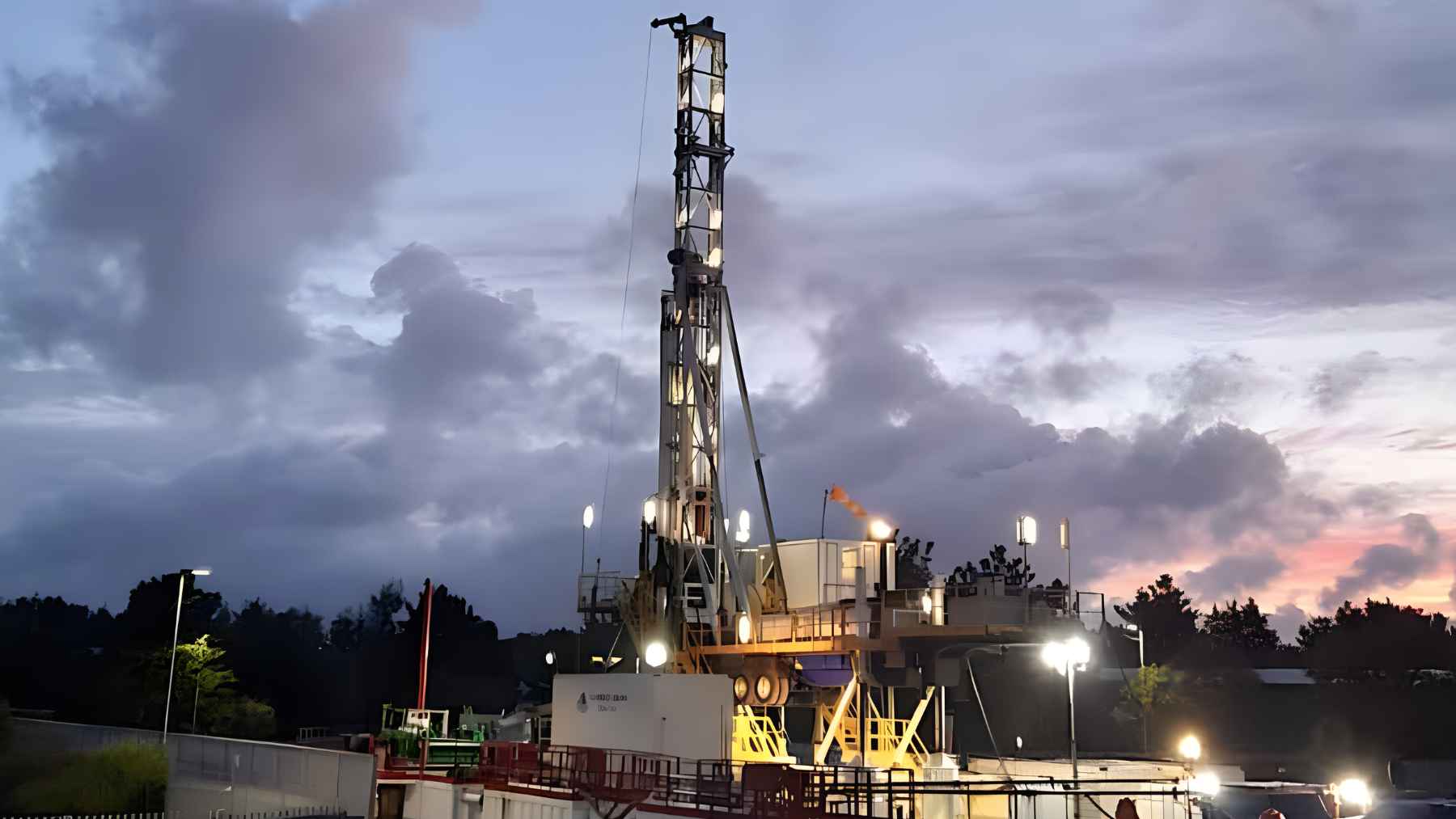
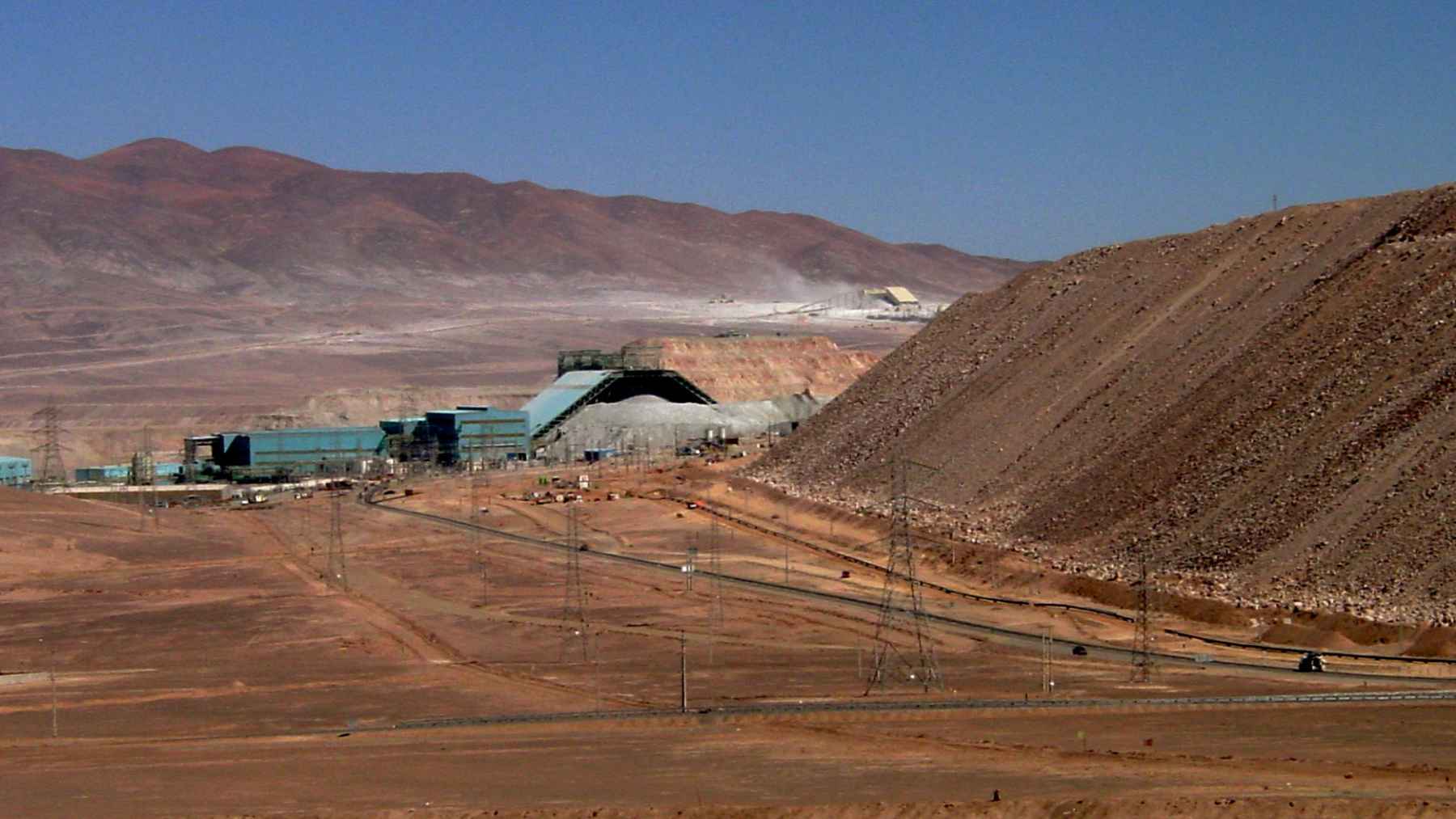
Filo del Sol is not a simple build. Technical documents place the deposits in a punishing high Andes setting around 14,800 to 18,000 feet above sea level (about 4,500 to 5,500 meters).
Thin air can slow humans and machines, and it makes every mile of road and every gallon of fuel more expensive. Add the fact that the district straddles two countries, and even routine planning takes more coordination than at a lowland site.
Lundin’s latest concept uses staged development. It starts with an open pit and concentrator at Josemaría, then adds Filo del Sol’s leachable oxides and later the sulfide deposit, but the company stresses that early-stage studies include inferred resources and carry “no certainty” of being realized.
Water is the real constraint
Here is the question locals and environmental groups keep circling back to. What happens when a “critical minerals” mine sits near ice and frozen ground that help regulate water in an otherwise dry landscape? Argentina’s Glacier Law sets strict protections for glaciers and the periglacial environment, and Dialogue Earth reports estimates that these zones account for about 70% of Argentina’s freshwater.
Fundación Ambiente y Recursos Naturales (FARN) has argued that parts of the Josemaría open pit and a tailings site could cut through a rock glacier.
The industry pushes back, with Argentina’s mining chamber CAEM saying mining uses less than 1% of the country’s total water and that much of it is recirculated in closed circuits, so the fight often comes down to local hydrology rather than national averages.
FARN points to the now-closed Bajo de la Alumbrera mine as a cautionary example, saying it consumed more than 6.6 billion gallons of water per year (25 billion liters), equal to 34% of the annual water use of Catamarca’s residents. For people who live downstream, that kind of number matters more than any global demand chart.
Infrastructure is the new battleground
Even if permits line up, the project still needs power and water systems that can operate at altitude. Diesel can keep early camps running, but it is expensive and hard to square with “green copper” branding.
Argentina has started exploring grid solutions for remote mines. In December 2024, Central Puerto and the International Finance Corporation announced feasibility work for a transmission line intended to deliver renewable electricity to mining operations in the country’s northwest.
On water, Vicuña’s staged plan points to a longer-term Pacific solution. The company says Stage 3 would integrate a desalination plant and an associated pipeline as part of the infrastructure needed to support a larger district buildout.
What happens next
The IEA’s “17-year clock” is a useful reality check. Even with strong copper prices and strong demand, a project only moves as fast as its permits, its infrastructure, and its ability to keep local stakeholders on board.
For Filo del Sol, the next signals to watch are regulatory. Environmental impact work on periglacial mapping, groundwater drawdown, and tailings placement will likely matter as much as drill results, especially if Glacier Law protections become a flashpoint in court or congress.
At the end of the day, this deposit shows the new arithmetic of “critical minerals.” Copper can help modernize grids and, over time, that can show up in the electric bill, but the mine that supplies it still has to live with the local water math.
The press release was published on Lundin Mining.