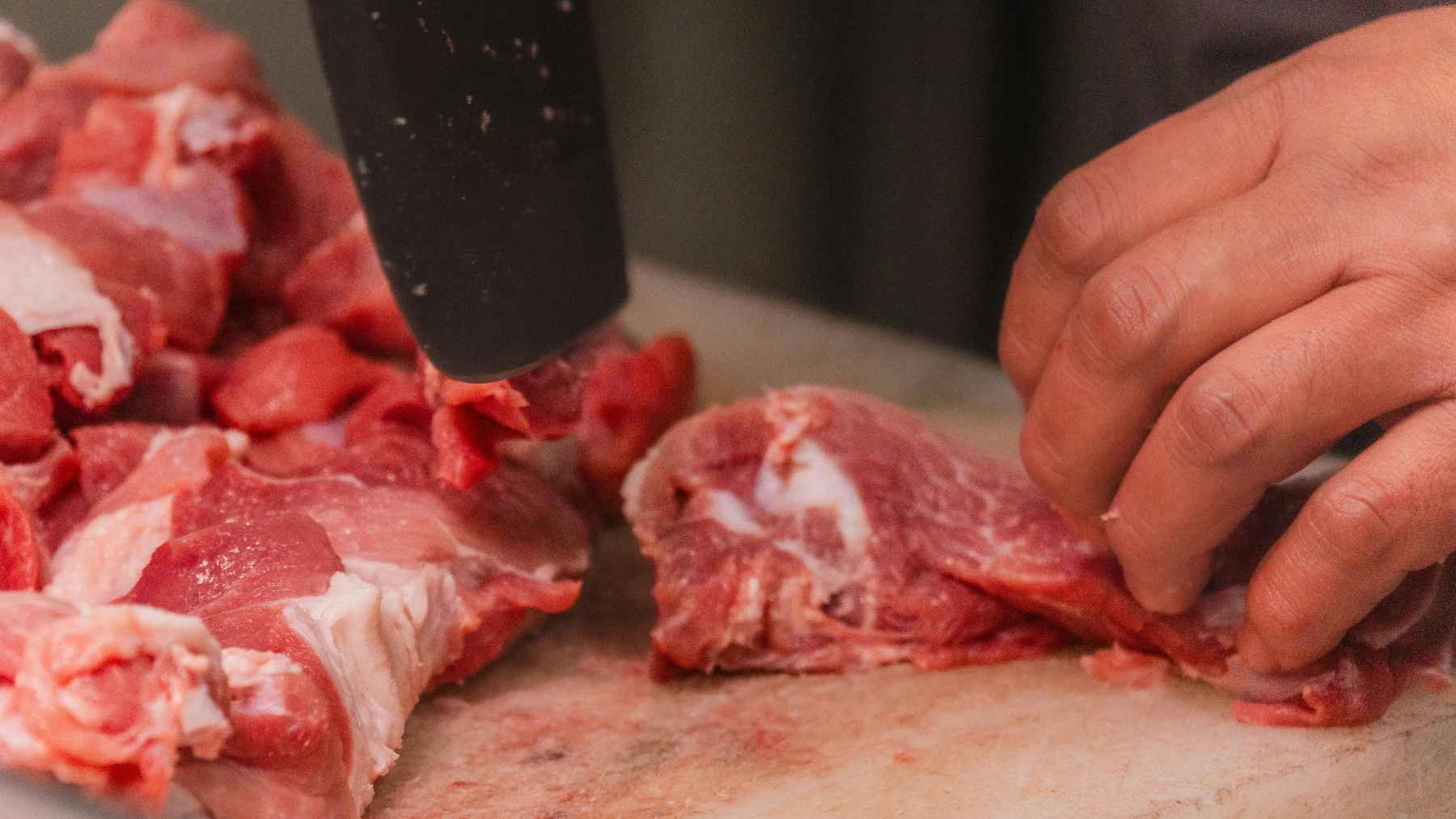
Most of us get home from the grocery store, drop a pack of raw meat in the refrigerator, and move on. If it came in a thin plastic bag from the butcher, it is tempting to keep it there until dinner.
But chefs and food-safety experts say that habit can work against you. A sealed bag can trap moisture, limit oxygen, and make both flavor and safety harder to manage, especially if the meat sits for more than a day.
Why plastic bags change what happens on the surface
Chef Camilo Currea, who specializes in meat, argues the core issue is airflow, as reported by El Espectador. When meat is left in a plastic bag, oxygen cannot circulate, condensation builds, and small temperature swings become a bigger problem than people realize.
Those conditions can speed up microbial growth and also dull the meat’s appearance. That is why you may see meat turn darker, lose its bright color, and develop off odors sooner than expected.
Airflow and moisture are the hidden variables
Meat color is not just cosmetic. Fresh meat looks red because of a pigment called myoglobin, and it brightens when it meets oxygen in a process butchers call “bloom.”
When oxygen is restricted, meat can look more purple or brown even if it is still within date, which is one reason vacuum packaging looks different. Research on meat packaging and shelf life shows that oxygen exposure, temperature, and time all interact, so the package you choose can change what you see and what microbes can do.
What a chef recommends at home
Currea’s best option is vacuum-sealing, since removing air can slow oxidation and help control odors while limiting contact with the outside environment. In practice, though, most home cooks do not have a vacuum sealer sitting next to the toaster.
For everyday use, he suggests moving the meat to a tray and covering it with plastic wrap, but not sealing it completely. The goal is to protect the fridge from drips while still letting the surface breathe a bit, which helps with texture and color before cooking.
Food safety rules that matter more than taste
U.S. government food safety guidance is blunt about the core risk in a home fridge. Raw meat should be kept so its juices cannot drip onto other foods, which is why FoodSafety.gov advises placing raw meat, poultry, and seafood in containers or sealed, leakproof plastic bags once you are home.
That might sound like the opposite of a chef’s advice, but it is not really a contradiction. The safety goal is stopping cross-contamination, so the best setup is a leakproof container that also keeps the meat cold and stable, ideally on the bottom shelf in a busy kitchen.
How long meat actually lasts in the fridge
Even a perfectly organized refrigerator does not buy you much time. The USDA Food Safety and Inspection Service says the refrigerator should stay at 40°F or below, and that fresh meat is often best used within one to two days depending on the cut.
FoodSafety.gov’s Cold Food Storage Chart is even more specific. It lists one to two days for ground meat (including hamburger), and three to five days for steaks and roasts, with the reminder that freezing at 0°F or below is about quality, not safety, once the food is kept frozen continuously.
A simple fridge routine that prevents problems
The easiest routine is also the least glamorous. Unpack meat right away, place it in a clean container, and store it on the bottom shelf so nothing drips onto produce or leftovers.
Set a thermometer in the fridge if you have never checked it, since many refrigerators run warmer than people think. The CDC warns that foodborne germs grow faster when cold storage slips above 40°F, and it recommends knowing when to throw food out instead of relying on smell alone.
If you are not cooking the meat soon, freeze it early rather than pushing it to day three and hoping for the best – and that is when a well-run freezer starts to matter. Nobody wants to learn this lesson the hard way, especially when it shows up as a ruined dinner and a stomachache the next morning.
The federal food safety guidance was published on FoodSafety.gov.