Panama City’s long-shot idea to let people cross the Panama Canal on foot or by bike just got a second life, even after losing a high-profile tunneling contest run by Elon Musk’s The Boring Company.
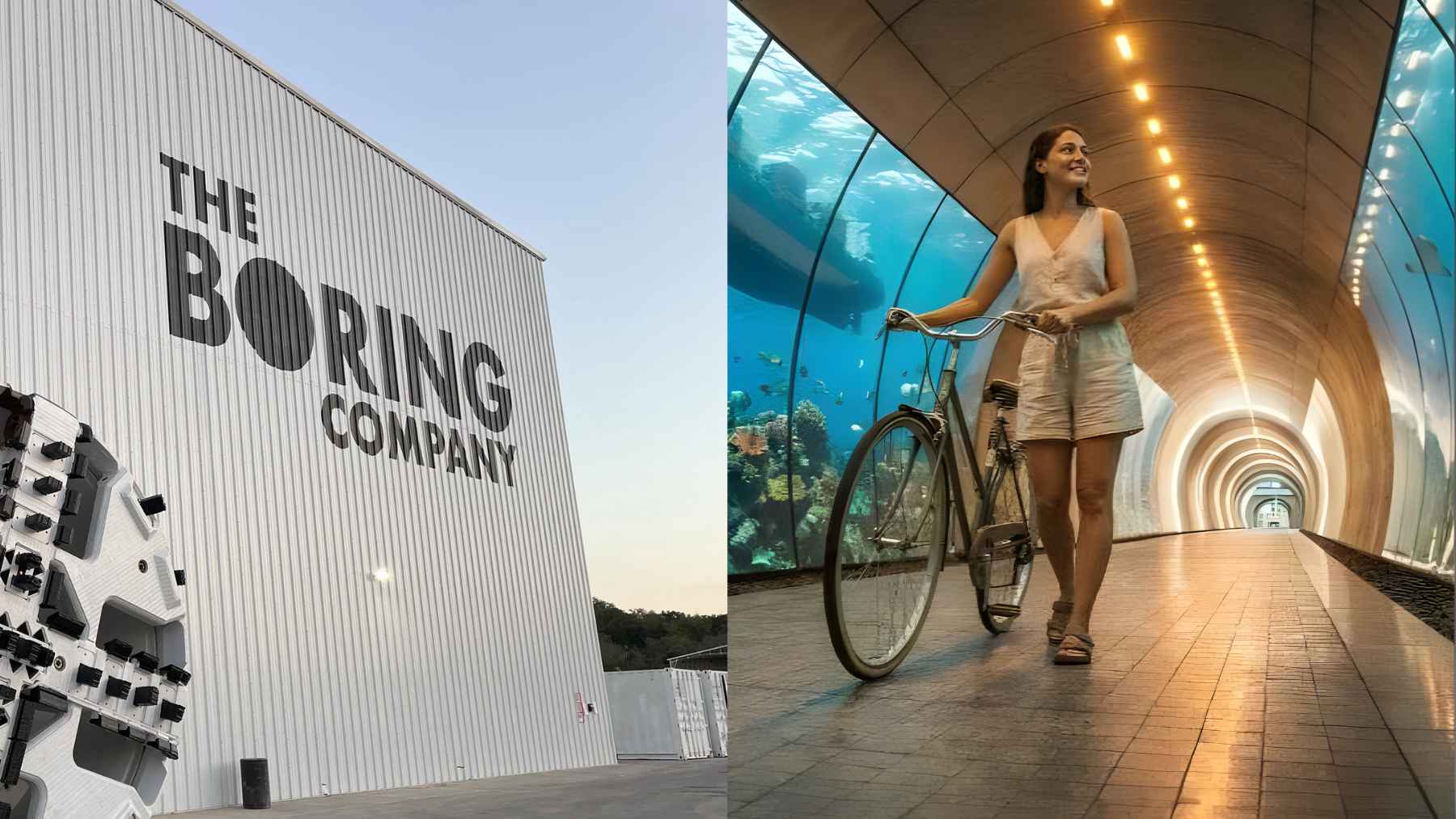
The city government says it has received a note from the company expressing interest in continuing pre-feasibility studies on “The Canal Underline,” a proposed underground passage designed for pedestrians and cyclists, even outside the contest.
Panama’s bid did not win The Boring Company’s “Tunnel Vision Challenge.” But as global trade leans on the canal and Panama City keeps growing, the project is now being discussed less like a gimmick and more like a serious test case for urban mobility under one of the world’s most important waterways.
If it moves forward, it could become one of the most unusual pieces of walk-and-bike infrastructure on the planet. Think of it as a subway tunnel, except instead of trains, it would carry people, bikes, and possibly a lot of curious tourists with phones out.
A tunnel for people, not vehicles
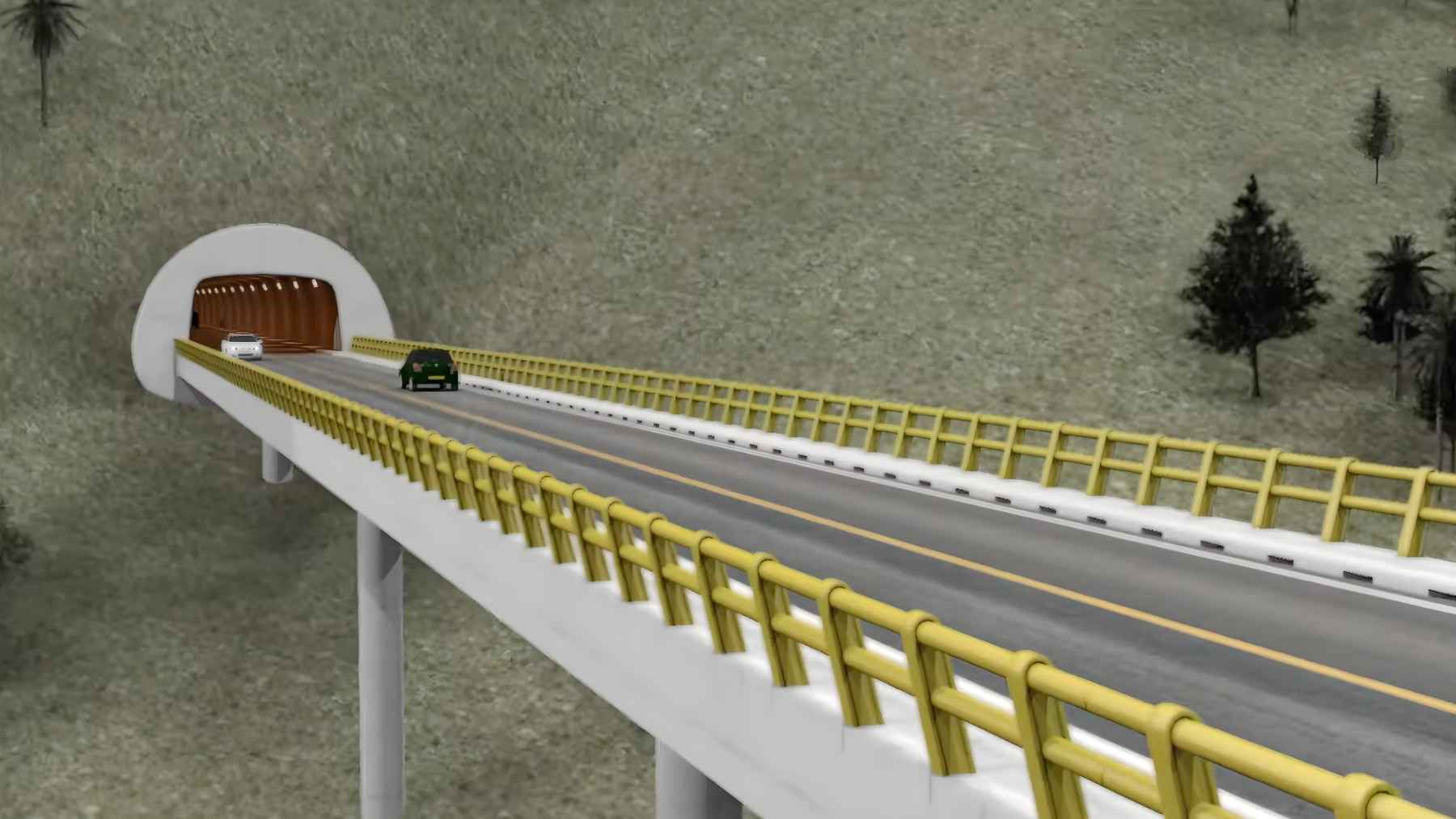
City officials describe “The Canal Underline” as a short underground link between Panama City and the fast-growing “Panama Oeste” area across the waterway.
The concept is simple but bold: build a dedicated pedestrian and cycling tunnel under the canal, then anchor each end with new parks, public spaces, and a curated “interpretive” route that tells the canal’s story.
In practical terms, the project tries to solve a daily-life problem that many residents know too well. When road traffic backs up, travel between the two sides can feel like a long detour, even if you live only a few miles away.
Why the Boring Company contest matters
The idea entered The Boring Company’s “Tunnel Vision Challenge,” a global call for tunnel proposals shorter than 1 mile, with the promise that the winning tunnel would be built at no cost to the selected city.
It drew 487 submissions and narrowed them to 16 finalists, with Panama City reportedly the only finalist outside the United States. By late February, the company said it had received 487 entries and was down to the final 16, with a winner expected on March 23.
On March 24, The Boring Company announced that New Orleans’ “NOLA Loop” and Dallas’ “University Hills Loop” were chosen. A third pick, “Ravens Loop” in Baltimore, was later dropped after the company said “initial meetings” did not go well.
A trade artery, and a local barrier
The Panama Canal is not just a postcard landmark. It is a critical logistics system that helps move goods between the Atlantic and the Pacific, and it also slices through the country in a way that shapes how cities grow.
The Panama Canal Authority’s preliminary fiscal year 2025 figures show why the canal remains central to global shipping. It reported about $5.705 billion in revenue, net profit of roughly $4.134 billion, 13,404 transits, and 489.1 million tons of cargo.
For Panama, the canal is also a major source of public funding. In December 2025, the canal administration said it delivered $2.965 billion in direct contributions to the national treasury, money that helps fund public services and infrastructure.
What engineers worry about
Building under the canal is the kind of job where small mistakes can become national problems. Any tunnel plan would require detailed geotechnical work, strict structural safety standards, and coordination with the Panama Canal Authority to avoid disrupting canal operations.
There is also the environmental side. Excavation under a strategic waterway raises questions about groundwater, soil stability, vibration, and long-term maintenance, especially if the tunnel is meant to be a public space people use daily.
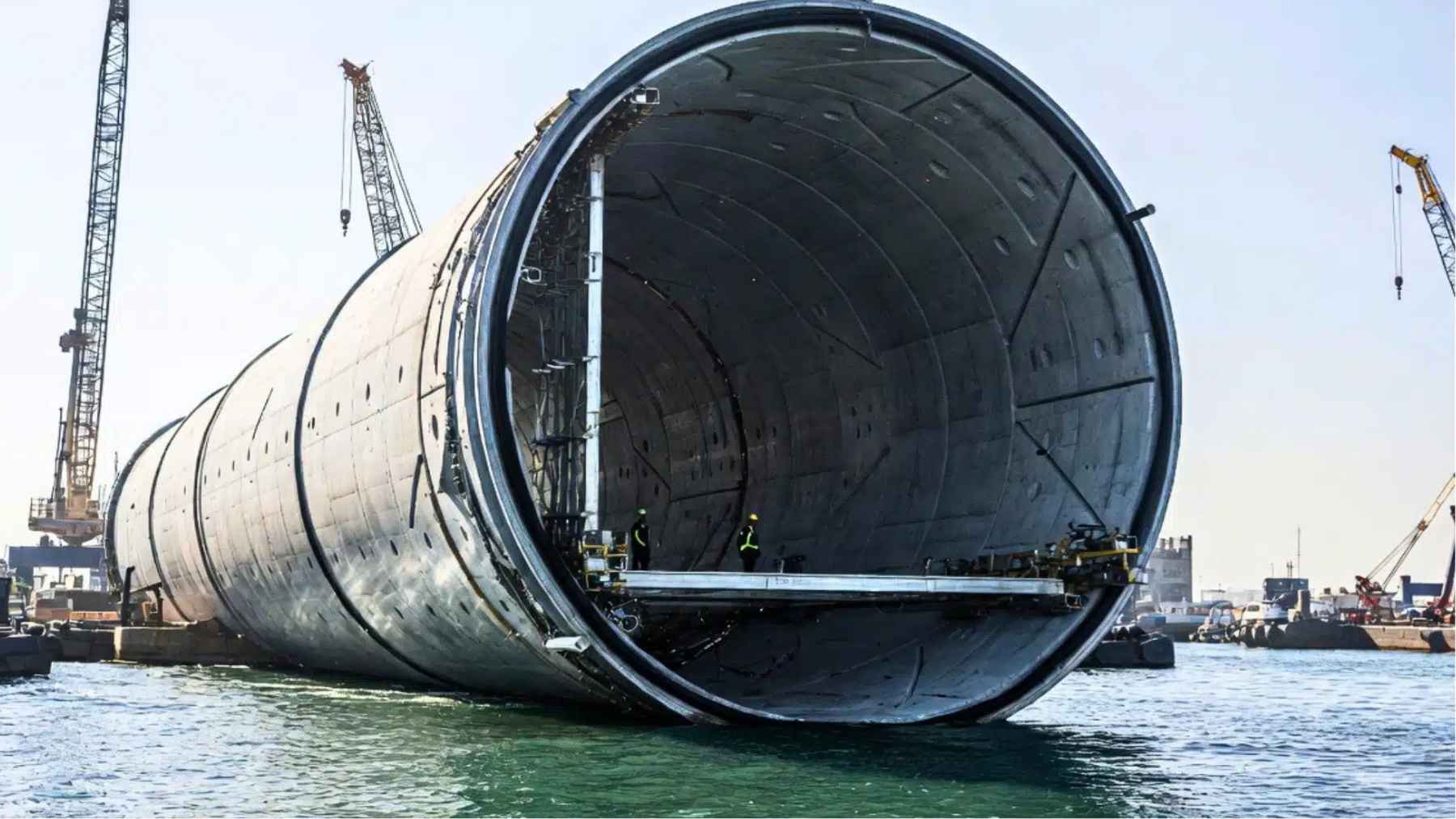
Still, Panama is not starting from zero. The country is already building a major tunnel under the canal for Metro Line 3, and it proves that deep tunneling is possible there, even if the stakes are high.
Metro Line 3 shows it can be done
Metro Line 3’s tunnel is not a pedestrian project, but it is a useful proof point. According to project reporting, the rail tunnel is about 2.8 miles long and roughly 44 feet in diameter, and it has been excavated down to around 213 feet below sea level at its deepest point.
The tunnel is part of a larger Line 3 expansion meant to connect the western suburbs with central Panama City, easing pressure on overcrowded roads. Officials have described Line 3’s first phase as roughly 15.5 miles long with 11 stations.
That matters for “The Canal Underline” because it gives planners a real-world case study. The difference is that a walk-and-bike tunnel would need a very different approach to ventilation, lighting, security, and accessibility.
What happens next
At the end of the day, Panama City’s tunnel proposal is still at an early stage. It has not secured full engineering approvals, environmental clearances, or a confirmed construction plan.
But it has something many speculative infrastructure ideas never get: a credible tunneling company’s attention, even if only for studies and analysis. That is where the story turns from “cool concept” to a question about whether the project can clear the hard hurdles.
The official statement was published on Municipio de Panamá.